Explore Guide in Al Ain
Area Snapshot
Al Ain, often called the "Garden City" of the UAE, is Abu Dhabi emirate's fourth-largest city and sits near the Oman border. Unlike the high-rise hustle of Dubai or Abu Dhabi, this city is defined by greenery, parks, and tree-lined streets that feel more like a leafy suburb than a desert metropolis. It's a place where families can stretch out in spacious villas and gated compounds, where kids play in wide-open parks, and where the pace of life feels gentler. If you're tired of cramped apartments and traffic jams, Al Ain offers a refreshing alternative without leaving the UAE.

What You Get Here
Al Ain is built for families who value space and comfort. You'll find a broad selection of villas, apartments, and compounds, many of which come with private pools, gyms, and round-the-clock security. Properties here typically offer more square footage for your dirham compared to the coastal emirates, making it easier to afford a standalone home with a garden. The housing stock skews toward family-focused layouts, with multiple bedrooms, dedicated maid's quarters, and secure play areas.
Popular residential areas include:
- Al Towayya: Known for spacious villas, abundant parks, and proximity to schools and essential services.
- Al Muwaiji: A well-planned neighborhood offering modern apartments and villas near daily conveniences.
- Al Jimi: One of the most established districts, with affordable housing, shopping centers, schools, and government offices.
- Hili Area: A suburban pocket with farms, family homes, and cultural landmarks, prized for its green spaces and calm atmosphere.
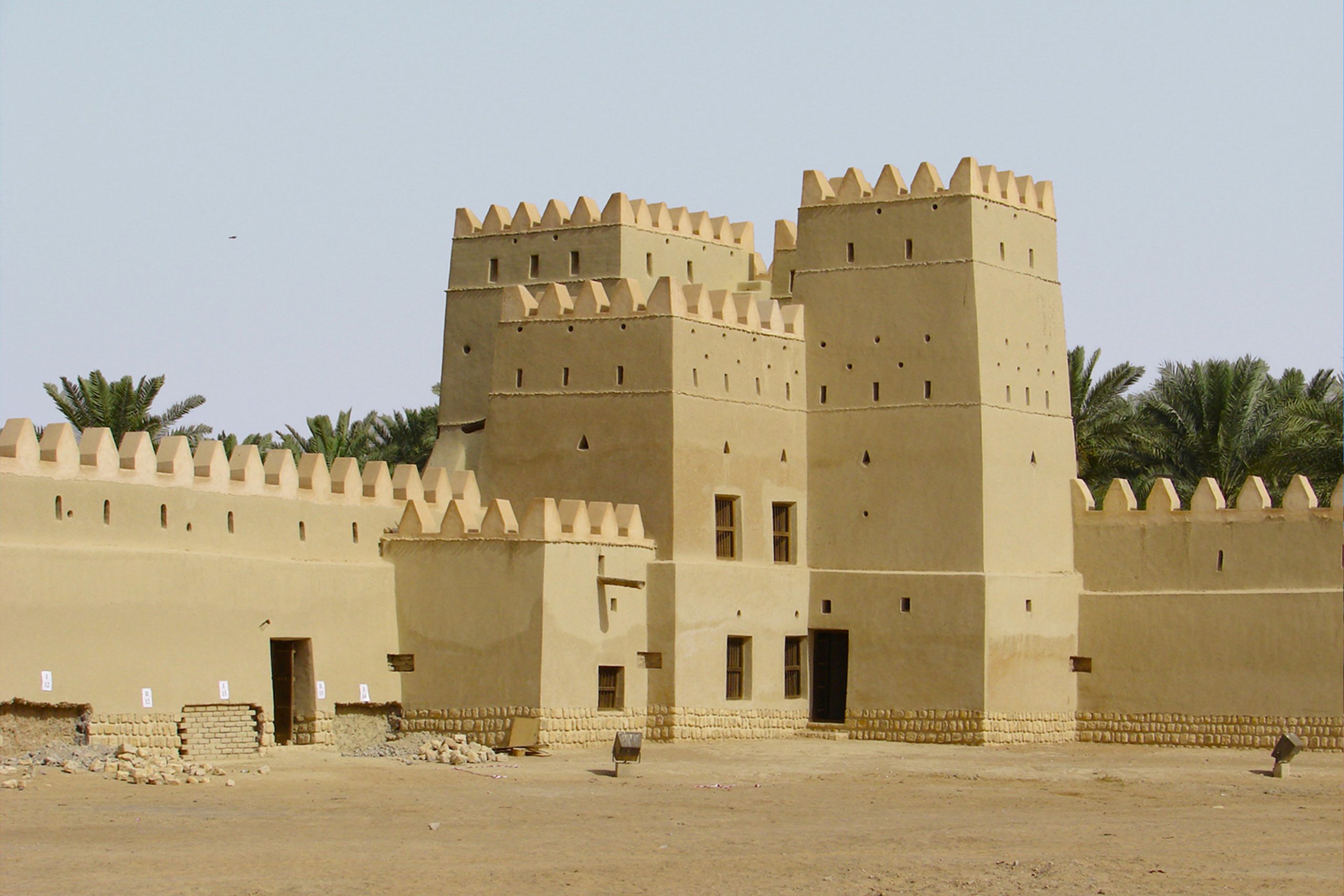
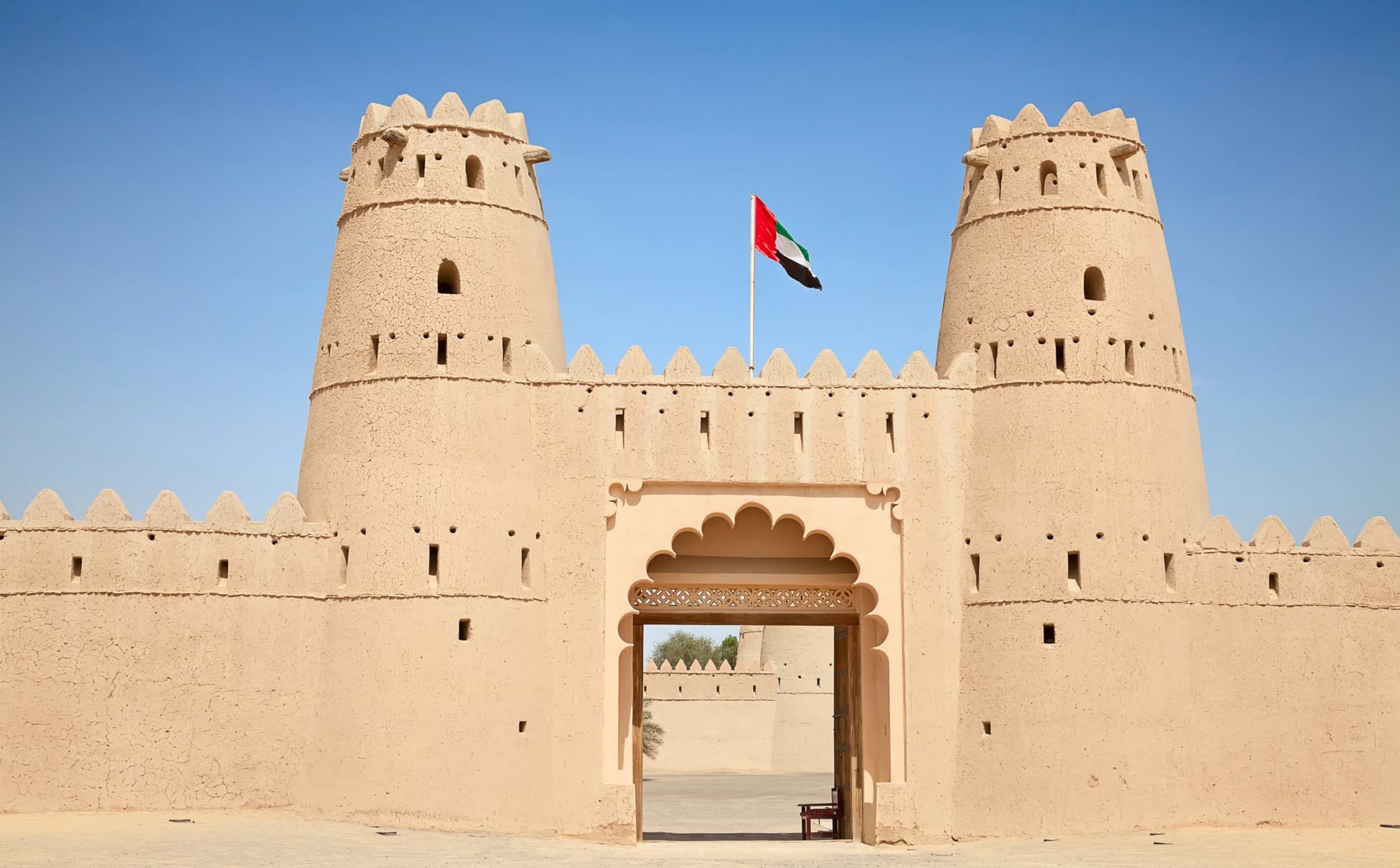
- Al Ain Oasis Area: A historic district surrounded by date palms and traditional architecture, perfect for those who appreciate cultural heritage and natural beauty.
This variety means you can find the right fit whether you're a young professional seeking an affordable apartment, a growing family wanting a villa with a yard, or retirees looking for a peaceful compound. The larger floor plans and lower density also mean less noise, more privacy, and a genuine sense of home.
The People & Community
Al Ain has a strong community feel that's harder to find in the UAE's bigger cities. The population is diverse, with a healthy mix of Emirati nationals, long-term expat families, and professionals working in education, healthcare, and government. Because many residents stay for years, you'll find stable neighborhoods where kids grow up together and parents know their neighbors. This isn't a transient city where people come and go every six months.
The social rhythm here is slower and more grounded. Families gather in parks on weekends, children attend the same schools from kindergarten through graduation, and community events draw genuine participation. If you're looking for a place where you can put down roots and feel part of a real neighborhood, Al Ain delivers that rare sense of belonging.
Daily Convenience
Shopping & Groceries
Al Ain covers all your daily shopping needs without forcing you into endless mall trips. Large malls anchor the city's retail scene, offering everything from fashion and electronics to cinemas and family dining areas. Supermarkets and hypermarkets are spread throughout every major neighborhood, so you're never more than a short drive from fresh groceries. For a more traditional experience, local souks sell fresh produce, spices, and household goods at competitive prices.
Dining Out
The dining scene in Al Ain blends local Emirati flavors with Arabic, Asian, and Western cuisines. You'll find family-friendly restaurants, casual cafés for weekend brunches, and quick-service spots for weeknight dinners. While the city doesn't have the celebrity chef restaurants or nightlife density of Dubai, it offers honest, good-quality meals in relaxed settings where you can bring the kids without stress.
Beauty & Personal Care
Beauty centers offering hair, skincare, and spa services are widely available across the city. Several hotel spas provide more indulgent wellness treatments if you're after a full relaxation day. These services are generally more affordable than in Dubai or Abu Dhabi, making regular self-care easier on the budget.
Schools & Medical Access
Education
Al Ain is home to a wide range of international and local schools, making it a top choice for families prioritizing education. The city offers strong options for American, British, and Arabic curricula, with many schools boasting excellent science, language, and extracurricular programs. Because the city is less congested than Dubai or Abu Dhabi, school drop-offs and pick-ups are faster, and many families live within a 10-minute drive of their chosen school. This proximity reduces commute stress and gives kids more time for homework and play.
Key school types include:
- Private international schools offering American and British curricula
- Schools with advanced science and language programs
- Government schools serving various grade levels for Emirati and expat children
Healthcare
Medical care in Al Ain is comprehensive and accessible. A major general hospital provides emergency services, surgeries, and specialized departments. Private medical centers deliver pediatrics, dermatology, family medicine, dental care, and physiotherapy. Neighborhood health clinics ensure you don't need to travel far for routine check-ups or minor ailments. The availability of quality healthcare close to home is a major advantage for families with young children or elderly parents.
Healthcare highlights include:
- A large government hospital with emergency and specialist care
- Private clinics offering pediatrics, dental, and family medicine
- Neighborhood health centers for convenient access
Getting In and Out
Al Ain sits about 160 km from both Abu Dhabi and Dubai, with well-maintained highways connecting all three cities. If you commute to Abu Dhabi or Dubai for work, expect a 90-minute to two-hour drive each way. Many residents find this manageable a few days a week, especially if their employer offers flexible schedules. For daily errands within Al Ain, most people rely on private cars or taxis, as the city is spread out and designed for driving.
A public bus network operates throughout Al Ain, connecting residential areas to shopping centers, schools, and government offices. Bus fares are affordable, making public transport a viable option for students and service workers. However, car ownership remains the most convenient choice for families juggling school runs, grocery shopping, and weekend outings. The city provides organized parking and well-maintained roads, so driving is stress-free compared to congested urban centers.
Because Al Ain borders Oman, cross-border trips are easy for residents. Weekend escapes to Omani mountain towns or coastal resorts are popular, adding another layer of lifestyle flexibility.
Lifestyle Pros & Trade-offs
Outdoor Activities & Recreation
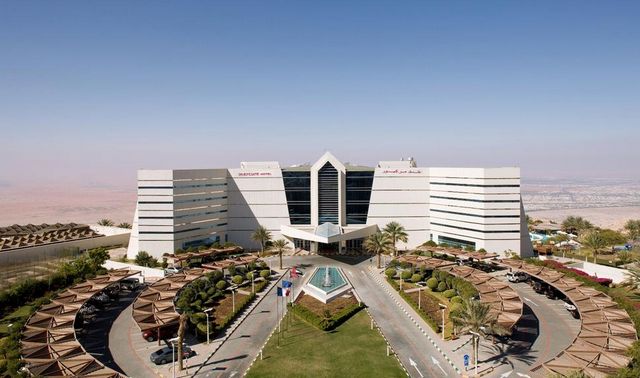
Al Ain is one of the UAE's best cities for outdoor living. Jebel Hafeet, the country's second-highest peak, offers hiking, cycling, and scenic drives with panoramic desert views. The city is dotted with large parks and green spaces perfect for family picnics, morning jogs, and weekend sports. Al Ain Zoo is a major attraction for families, offering close encounters with wildlife and shaded walking paths. The city's historic oases, working farms, and heritage sites provide cultural exploration opportunities that go beyond typical mall-based entertainment.
Fitness enthusiasts will find sports clubs with swimming pools, football fields, and indoor courts. Modern gyms offer training programs, group classes, and personal coaching. Outdoor walking paths and cycling tracks wind through the city's greenest districts, making it easy to stay active year-round. This abundance of outdoor space is a rare luxury in the UAE and a key reason families choose Al Ain.
What You Give Up
Living in Al Ain means accepting certain trade-offs. You won't have the 24/7 dining, nightlife, or entertainment variety of Dubai. International flights require a drive to Abu Dhabi or Dubai airports. Career opportunities are more limited, with most jobs concentrated in education, healthcare, government, hospitality, and retail. If your work or social life centers on Abu Dhabi or Dubai, the commute can feel tiring over time. But for families who value space, safety, and a slower pace, these trade-offs are often worthwhile.

Where It's Heading
Al Ain's future development is focused on maintaining its "Garden City" identity while supporting population growth. New residential neighborhoods are being built to accommodate young families and professionals. Parks, green corridors, and walking tracks are being expanded to preserve the city's lush character. Commercial and lifestyle projects are in the pipeline, promising more shopping, dining, and entertainment options without overdevelopment.
Transportation infrastructure is being upgraded, with improved roads and community facilities making daily life easier. Heritage preservation projects continue to protect Al Ain's historic oases and cultural sites, ensuring the city's unique character remains intact. For investors and long-term residents, these developments signal stable, family-focused growth rather than speculative booms. Property values are likely to appreciate steadily as more people discover Al Ain's quality of life advantages, making it a smart long-term hold for those who don't need immediate capital gains.
FAQs
Q: Is Al Ain a good place for families?
A: Yes. Al Ain is known for its safe environment, strong schools, spacious housing, and abundance of parks and green areas, making it ideal for raising children.
Q: Is the cost of living high in Al Ain?
A: No. Living costs are moderate compared to Abu Dhabi and Dubai, especially for housing, groceries, and daily expenses. You get more space for less money.
Q: Are there job opportunities in Al Ain?
A: Yes, particularly in education, healthcare, government, hospitality, and retail. However, career options are more limited than in Dubai or Abu Dhabi.
Q: How is the healthcare system in Al Ain?
A: Excellent. The city has well-equipped hospitals, specialist clinics, and accessible health centers, ensuring quality medical care is always nearby.