

Al Jaheli sits at the cultural core of Al Ain. The main draw is Al Jahili Fort, a structure that draws historians and tourists in equal measure. Around it, the neighborhood has evolved into a residential district where heritage sites and modern housing stand side by side. You can walk your children through a public park one morning and attend a cultural exhibition at the fort in the evening.
The central location means quick access to schools, hospitals, and shopping without leaving the city center. Families value the proximity to services; investors notice the area's dual appeal to residents and visitors alike.
Housing here splits into two categories. Large villas dominate certain streets—these come with private yards and parking, built for families who need space. Elsewhere, low-rise buildings hold one- to three-bedroom apartments that rent at lower price points. Both options share the same advantage: you live near a UNESCO-listed oasis and a functioning urban center.
Villas attract families planning long-term stays. Apartments draw younger professionals and smaller households. The variety means you choose based on stage of life, not availability.

Residents here split into two groups: families who've settled for the parks and schools, and professionals who work in Al Ain's educational or government sectors. The Al Jahili Park acts as the social center—families gather here for weekend picnics, and cultural events bring the neighborhood together. The crowd at the park reflects the area: Arabic-speaking locals mix with expatriate families.
The community remains quieter than Al Ain's commercial districts. You see the same faces at the corner supermarket, and neighbors recognize each other during evening walks. That familiarity builds slowly here, but it builds.
For groceries, Megamart and Gulf Co-operative Supermarket handle daily runs. These stores stock basics and operate predictable hours. When you need more selection, Al Jimi Mall and Al Ain Mall sit 10 to 15 minutes away by car, offering international brands and dining chains.
Local cafes and small restaurants serve the immediate area. If you want broader culinary options, Al Ain's city center provides Lebanese, Indian, and Filipino cuisines within a short drive. Dining out here means choosing between convenience and variety—one requires five minutes, the other fifteen.
The immediate area offers limited schooling, but United Arab Emirates University and Al Ain University sit nearby. Primary and secondary schools operate in surrounding neighborhoods, accessible within a 10-minute commute. Families here accept the trade-off: you drive children to school, but you live near heritage sites and open parks.
Two hospitals serve the area: Tawam Hospital handles major medical needs, while Mediclinic Al Ain Hospital provides private care. Both facilities maintain emergency departments and specialist clinics. Routine checkups don't require advance planning; serious cases receive immediate attention.
Most residents own cars. Zayed Bin Sultan Street connects Al Jaheli to the rest of Al Ain, making trips to Abu Dhabi or Dubai straightforward. The public bus network serves the area, with stops placed near residential clusters. Buses run on fixed schedules—reliable for commuters, less practical for spontaneous trips.
Taxis and ride-sharing apps operate throughout the day. Hailing a ride takes minutes, and drivers know the area well. If you rely on public transport, expect to adjust your schedule around bus timings. If you drive, movement remains unrestricted.
The main advantage here is location. You live minutes from Al Jahili Fort, a short walk from Al Ain Oasis, and close to parks where children can play safely. History and greenery surround daily life. The trade-off arrives in limited on-site amenities—fitness centers exist nearby but not within the immediate neighborhood. Beauty salons and spas operate in surrounding areas.
Families who prioritize outdoor space and cultural access thrive here. Those who want every service within walking distance will feel the gaps. The balance tilts toward lifestyle quality over hyper-convenience.
Hotels like Al Ain Rotana, Ayla Grand Hotel, and Danat Al Ain Resort operate nearby, which adds short-term rental potential for investors holding residential units.
Al Ain's development strategy treats Al Jaheli as a protected zone. Future projects must preserve the area's historical character while upgrading infrastructure. Expect better roads, improved public spaces, and controlled residential expansion. The fort's status as a tourist destination guarantees ongoing investment in surrounding amenities.
Property values here track two factors: cultural importance and central location. Both remain stable. Developers won't flood the area with high-rises, which limits supply growth. For buyers, that constraint supports long-term appreciation.

Q. What makes Al Jaheli different from other Al Ain neighborhoods?
A. Al Jahili Fort anchors the area. You live beside a historical landmark that attracts visitors and cultural events, not just inside a residential compound.
Q. What housing types does Al Jaheli offer?
A. Large villas with private yards for families, plus one- to three-bedroom apartments for smaller households or those on tighter budgets.
Q. Does Al Jaheli work for tourists?
A. Yes. Major hotels operate nearby, and the fort plus Al Ain Oasis provide walking-distance attractions. Central location makes day trips across Al Ain simple.
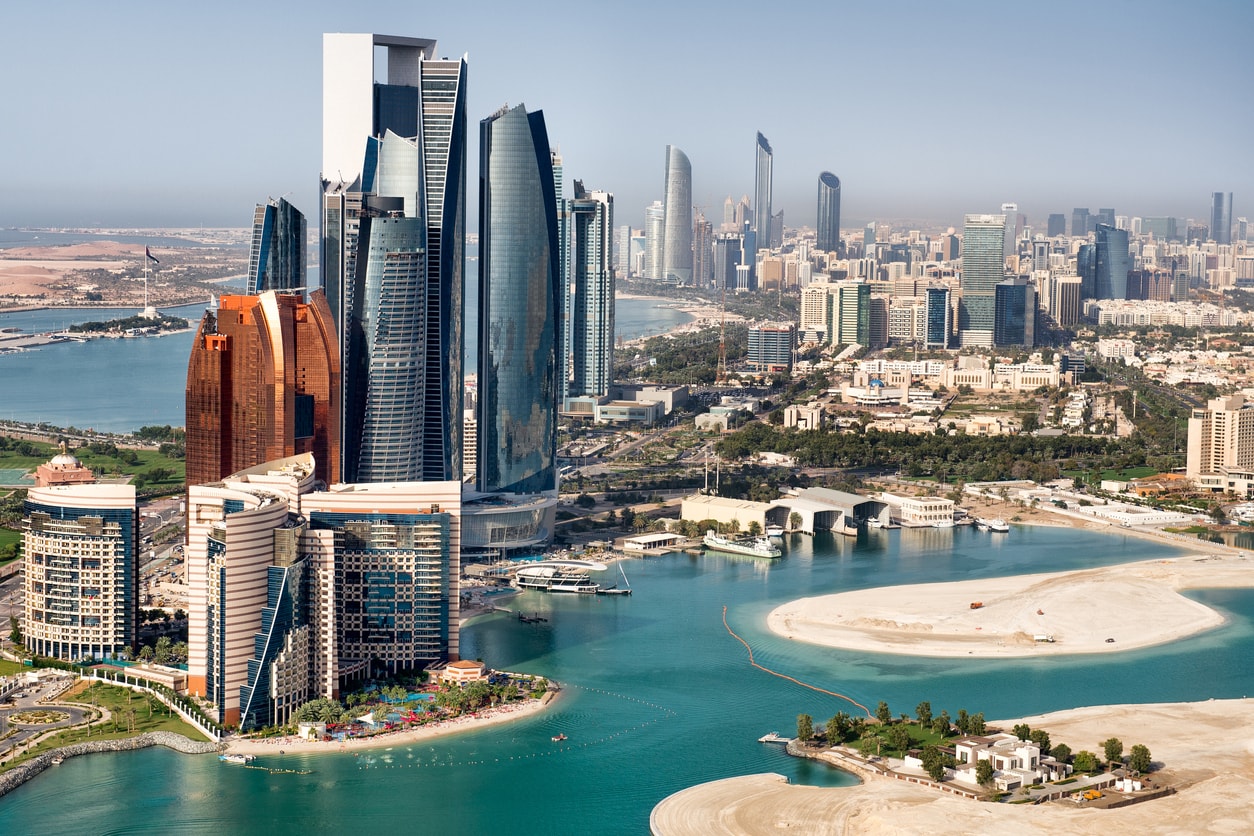
Abu Dhabi is the capital of the United Arab Emirates and the largest of the seven emirates by area. The emirate combines modern urban development with coastal landscapes, beaches, islands, cultural attractions, and heritage areas. Abu Dhabi is an archipelago made up of more than 200 islands and is divided into three main regions: Abu Dhabi City and its surrounding areas, Al Ain, and Al Dhafra.
Know More
Dubai is one of the UAE’s most prominent destinations for families, working professionals, entrepreneurs, and property investors looking for a modern and highly connected lifestyle. The city offers a wide range of residential options, including apartments, villas, townhouses, branded residences, and off-plan properties across established and emerging communities.
Know More
Sharjah areas offer a diverse range of residential neighborhoods, established districts, modern residential communities, and coastal destinations across the United Arab Emirates (UAE). Whether you are planning to move, looking for a property, or exploring the emirate, understanding the different areas in Sharjah can help you compare locations and identify the right community for your needs. From waterfront neighborhoods such as Al Majaz and Al Khan to residential areas such as Al Nahda, Al Taawun, and Muwaileh, Sharjah offers a variety of housing options, lifestyle facilities, and everyday amenities. Modern developments, including Aljada and Al Zahia, provide additional residential choices, while communities such as Al Rahmaniya appeal to households looking for suburban living. Some Sharjah areas offer convenient access to major roads connecting the emirate with Dubai, while others are better suited to residents who prioritize schools, community facilities, coastal surroundings, or quieter residential environments.
Know More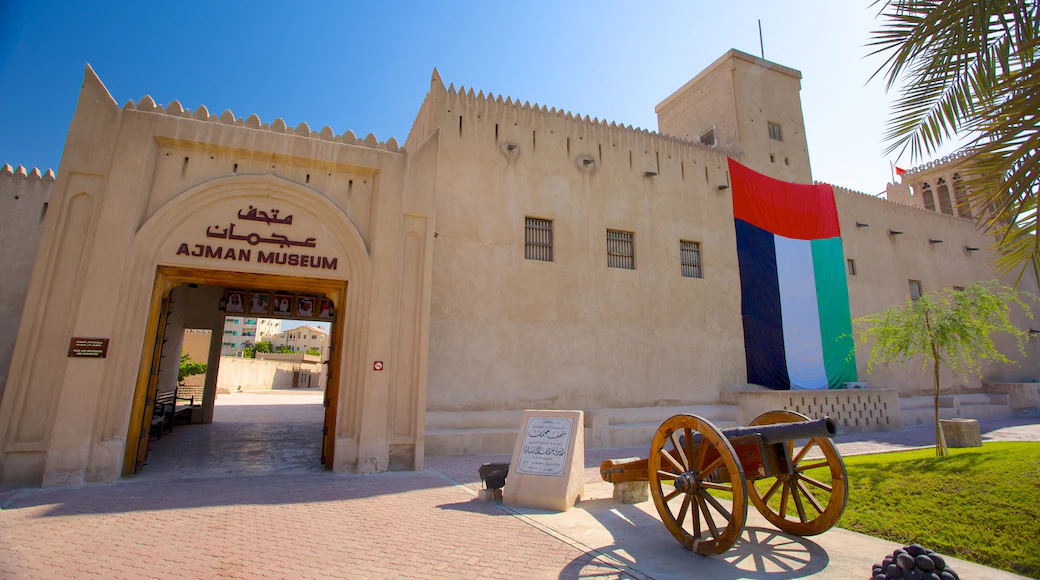
Ajman is one of the seven emirates of the United Arab Emirates (UAE), known for its coastal lifestyle, diverse residential communities, cultural heritage, and growing real estate market. Located along the Arabian Gulf between Sharjah and Umm Al Quwain, Ajman comprises three main geographical areas: Ajman City, Masfout, and Manama. These areas offer a mix of urban and coastal neighbourhoods, agricultural landscapes, and mountainous surroundings, making Ajman a diverse destination for residents, property buyers, and investors..
Know More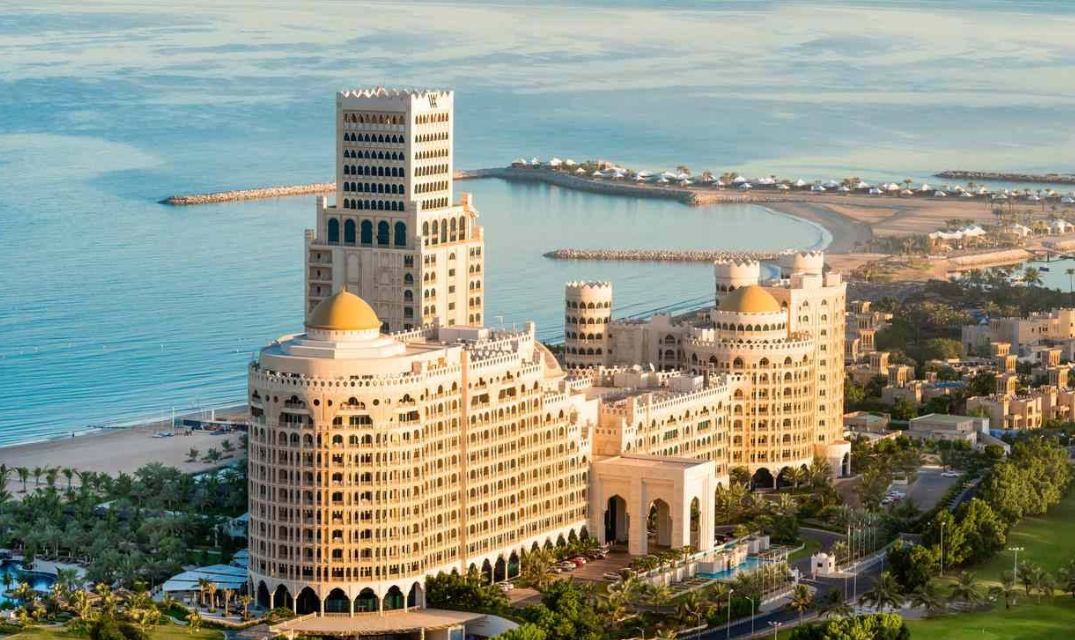
Ras Al Khaimah is one of the seven emirates of the United Arab Emirates and the northernmost emirate in the country. It is known for its diverse landscape, combining beaches, mountains, deserts, mangroves, and historic areas. The emirate has around 64 kilometres of coastline and is home to Jebel Jais, the highest mountain in the UAE.
Know More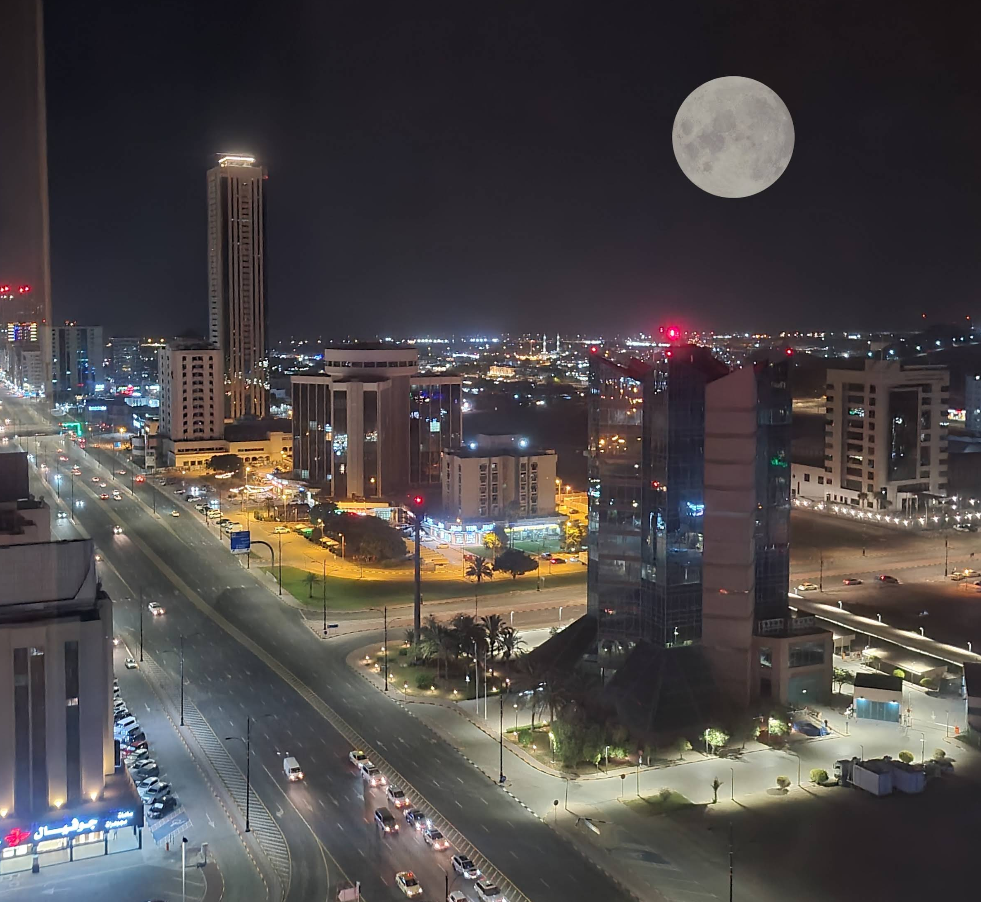
Fujairah is one of the seven emirates of the United Arab Emirates and is located on the UAE’s eastern coast along the Gulf of Oman. The emirate is known for its mountains, beaches, natural landscapes, and coastal communities.
Know More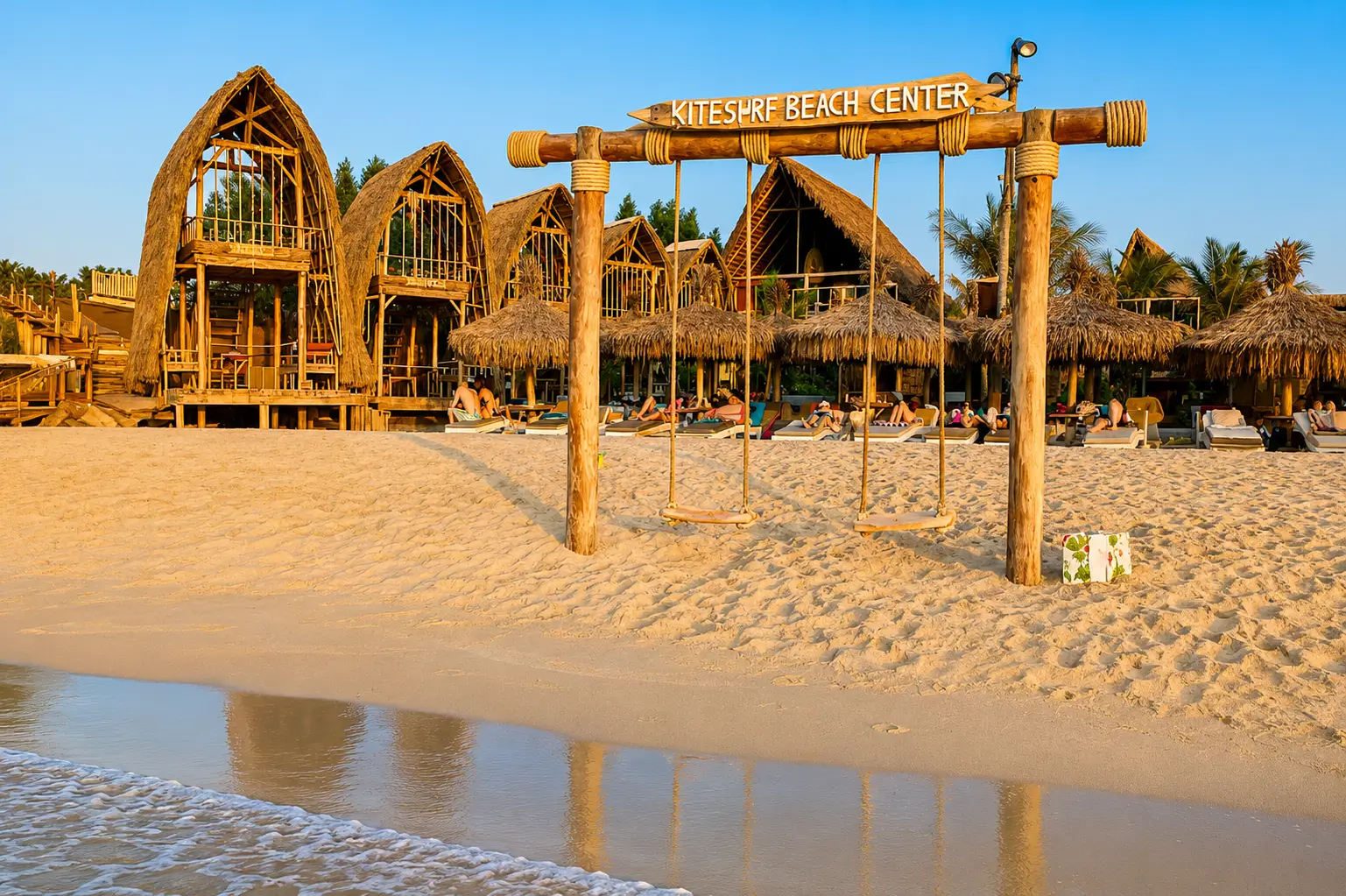
Umm Al Quwain is one of the seven emirates of the United Arab Emirates. Located along the Arabian Gulf, the emirate is known for its coastal environment, peaceful lifestyle, islands, natural areas, and maritime heritage.
Know MoreConsultation with Our Expert
Quick Links
Install Our App Today
Join our newsletter
We’ll send you updates once per week.
Fine Home social profiles


Powered By