
Explore Guide in Al Murabaa
Area Snapshot
Al Murabaa sits at the cultural heart of Al Ain, blending century-old heritage with practical modern living. Anchored by Al Murabaa Fort, this central district offers residents the rare mix of historic charm and everyday accessibility. You're walking distance from major roads, retail hubs, and cultural landmarks, making it ideal for anyone who values being close to the action without sacrificing tradition. This isn't suburban sprawl—it's dense, purposeful urban living with character.
The neighbourhood attracts families and professionals who want short commutes, cultural richness, and a sense of place. Expect mixed-use streets where apartments sit above shops, villas nestle behind busy thoroughfares, and mosques anchor every corner. For investors, the central location translates to consistent tenant demand, particularly from expat families and government employees seeking proximity to administrative districts.
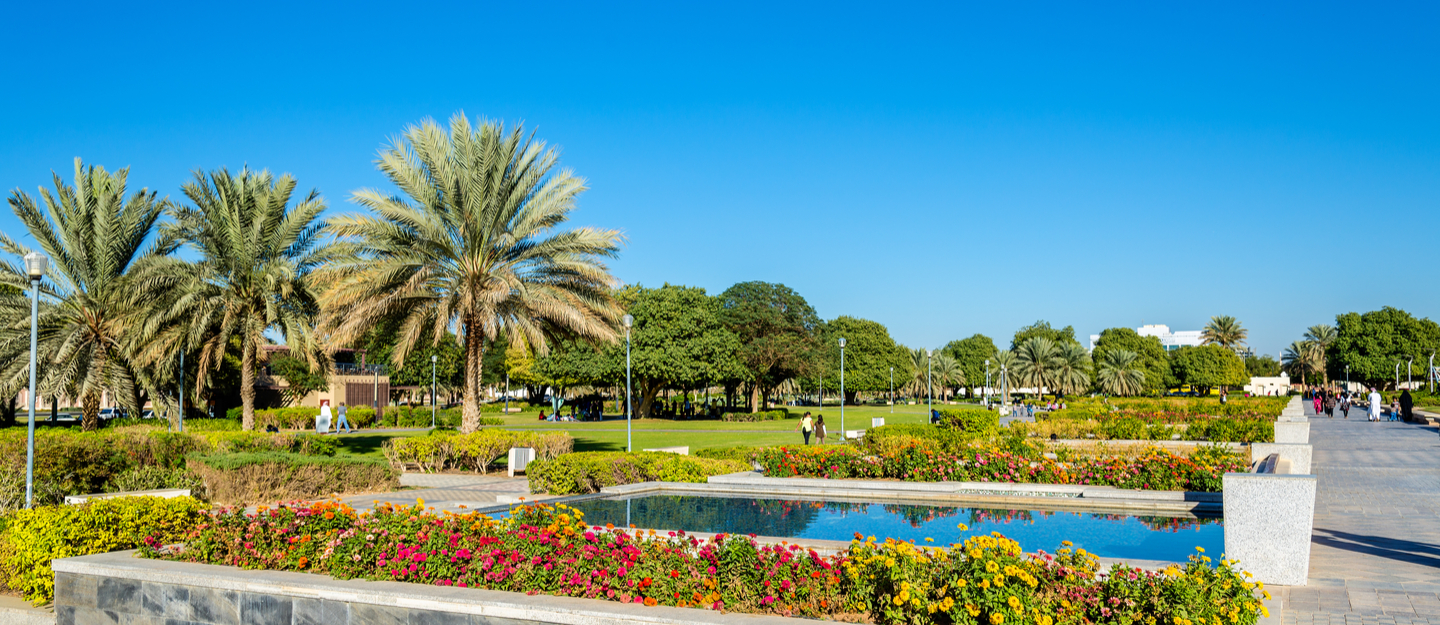
What You Get Here
Housing stock ranges from renovated older villas to modern apartment blocks. One- and two-bedroom apartments suit young professionals and small families, while four- and five-bedroom villas accommodate larger households. Most properties include covered parking, and many newer developments sit within gated or managed complexes offering additional security and maintenance. Expect higher rents and purchase prices than Al Ain's outer suburbs, a direct function of central location and infrastructure maturity.
Density is higher than outlying areas. Residences share streets with offices, clinics, and retail, creating a lively street-level environment. This mixed-use character shortens errands but can mean more traffic and noise, especially near commercial strips. Properties with modern finishes and private parking command premium rates, reflecting tenant willingness to pay for convenience.
The People & Community
Al Murabaa draws a diverse resident base: Emirati families with multi-generational roots, expat professionals working in nearby government offices, and small business owners attracted by retail foot traffic. The community skews family-oriented, with strong attendance at local nurseries, schools, and mosques. Cultural identity runs deep here, reinforced by proximity to Al Ain Museum, Al Jahili Fort, and the Oasis.
Neighbourhood interaction happens organically through shared amenities—supermarket queues, Friday prayers at Al Murabaa Mosque or Al Miqdad Ibn Al-Aswad Mosque, and evening strolls through Al Ain Oasis. For landlords, this translates to stable tenancies. Families invest in the area for long stays, reducing turnover and vacancy risk. The cultural fabric also creates tenant loyalty, particularly among those valuing heritage alongside modern services.
Daily Convenience
Supermarkets & Essentials
Grocery runs are quick. Walk to Dawar Al Saah, Al Sourah Supermarket, or Mohammed Akter Supermarket for daily staples. Pharmacies, clinics, and household service providers are evenly distributed, meaning you rarely drive more than five minutes for routine needs.
Shopping
Al Ain Mall anchors the retail scene, offering hundreds of stores, restaurants, and covered parking. For everything else—electronics, apparel, home goods—you'll find it here. Smaller convenience stores and local shops handle last-minute purchases throughout Al Murabaa itself, minimizing reliance on big-box trips.
Dining
Restaurant variety is strong. You'll eat well without leaving the district. Options include:
- PF Chang's
- Nando's
- Shakespeare and Co
- VIP Restaurant
- Bombay Darbar
Cafés dot the neighbourhood, supporting both quick coffee runs and sit-down family meals. This density of choice keeps dining local, saving time and supporting walkability.
Schools & Medical Access
Education
Early childhood education is well covered. Nurseries include Golden Bell and Little Miracles, both within easy reach for morning drop-offs. Older students attend schools like Future International School and Al Ain Academy, offering international and local curricula. Families avoid long school-run commutes, preserving morning routines and reducing stress.
Healthcare
Local clinics handle general medicine, pediatrics, and dental care within the neighbourhood. For specialist treatment or emergency care, Mediclinic Al Ain Hospital, Burjeel Royal Hospital, and bone and joint centres sit a short drive away. This proximity reduces healthcare friction, particularly for families with young children or elderly relatives, and supports tenant retention among risk-averse demographics.
Getting In and Out
Sheikh Bount Bin Sultan Street and Zayed Bin Sultan Street form the main arterial routes, connecting Al Murabaa to wider Al Ain quickly. Commutes to government districts, industrial zones, or the Dubai-Abu Dhabi border stay predictable. Public transport exists via E201 bus service from Al Sheikha Salama Masjid bus stop, though most residents rely on private cars or taxis for flexibility.
Parking is abundant. Residential developments include covered or private slots, while public parking serves commercial strips. This ease of movement matters to tenants prioritizing convenience and supports premium pricing for properties with dedicated parking. Proximity to the city's central bus station also benefits households without cars or those employing domestic staff reliant on public transit.
Lifestyle Pros & Trade-offs
Outdoor & Cultural Activities
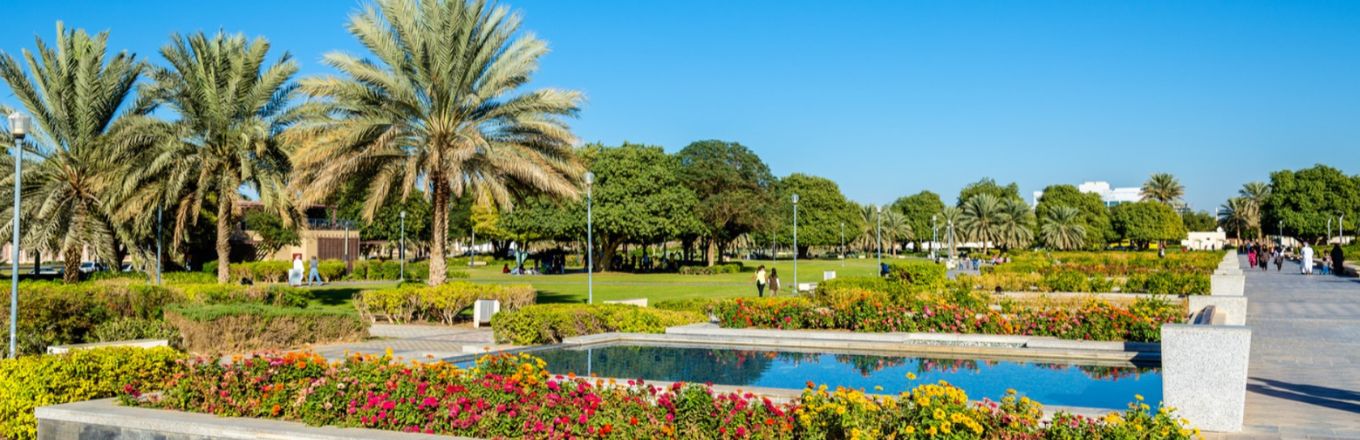
Al Ain Oasis offers tranquil weekend walks under palm canopy shade. Heritage sites—Al Murabaa Fort, Al Ain Museum, Al Jahili Fort—provide cultural immersion steps from home. Fitness options include Man Top Gym, Private Gym, and martial arts studios, while some residential complexes offer on-site gym facilities.
Beauty & Personal Care
Salons serve both genders. Ladies' salons include:
- Nice Dream Salon
- High Life Beauty Salon Spa
- Pink Marina Ladies Beauty Center
- Lou Lou Ladies Salon
Men's barbershops cluster near main roads and heritage zones.
Trade-offs
Density brings noise and traffic, particularly in commercial pockets. Open green space is limited compared to suburban estates. Rents run higher, reflecting premium location. Services can feel crowded during peak hours. Families wanting expansive gardens or quieter streets may prefer outer districts, but those prioritizing walkability and cultural access will find Al Murabaa delivers.
Where It's Heading
Development pipelines include new housing complexes, modern apartment towers, and infrastructure upgrades—roads, parking, pedestrian walkways. Retail expansion continues, with ongoing commercialization balanced against heritage preservation efforts. The district's cultural identity remains protected even as modernization progresses, ensuring long-term appeal to both traditional residents and new arrivals.
For investors, this trajectory supports capital appreciation and rent growth. Centrality shields valuations during market corrections, while infrastructure improvements reduce tenant friction. Expect continued demand from government employees, expat families, and small business owners anchored to the district's administrative and commercial functions.
FAQs
Is Al Murabaa family-friendly?
Yes. Small to medium families thrive here. Schools, clinics, shops, and cultural amenities sit within short drives or walks. The community atmosphere supports long tenancies, making it a stable choice for families planting roots.
What does renting cost in Al Murabaa?
Rates vary by property type, size, and condition. Apartments cost less than villas. Modern finishes and covered parking command premium rents. Expect to pay above Al Ain's suburban averages for the convenience of central location.
Are schools nearby sufficient?
Yes. Nurseries and primary schools operate within the district. Older students access secondary options in and around Al Murabaa without lengthy commutes, simplifying family logistics.
How reliable is public transport?
Bus service exists, but most residents use private cars or taxis. If you're commuting farther afield regularly, car ownership improves quality of life. Local errands, however, are highly walkable.
What are the downsides?
Higher traffic and noise in commercial zones, elevated rents, limited large open spaces, and occasionally crowded services. Families wanting suburban tranquility should weigh these against the benefits of central living.