Complete Fujairah area guide with insights on property, schools, healthcare, Fujairah Beach, Fujairah City Center, hotels, transport, and lifestyle.

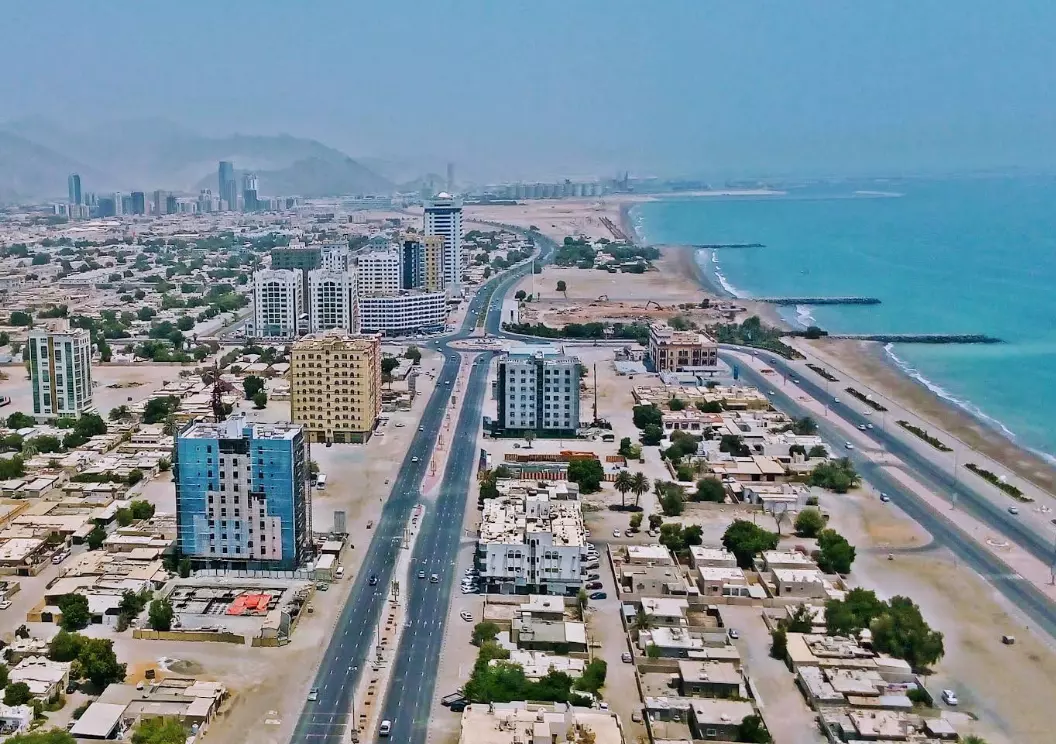
Fujairah is the only emirate located entirely on the Gulf of Oman. It is famous for its mountains, beaches, and relaxed lifestyle in the United Arab Emirates. It has a different living environment from Dubai and Abu Dhabi. Find out all you need to know about buying, renting, investing, and living in Fujairah, UAE.
Fujairah is the only emirate in the UAE that occupies the entirety of the eastern coast, along the Gulf of Oman rather than the Persian Gulf. That alone gives it a character you won't find anywhere else in the country. The population reached approximately 317,000 in 2024, it was 292,000 in 2020, and is projected to surpass 500,000 by 2040, a steady, organic kind of growth rather than the rapid surge you see in Dubai or Abu Dhabi.
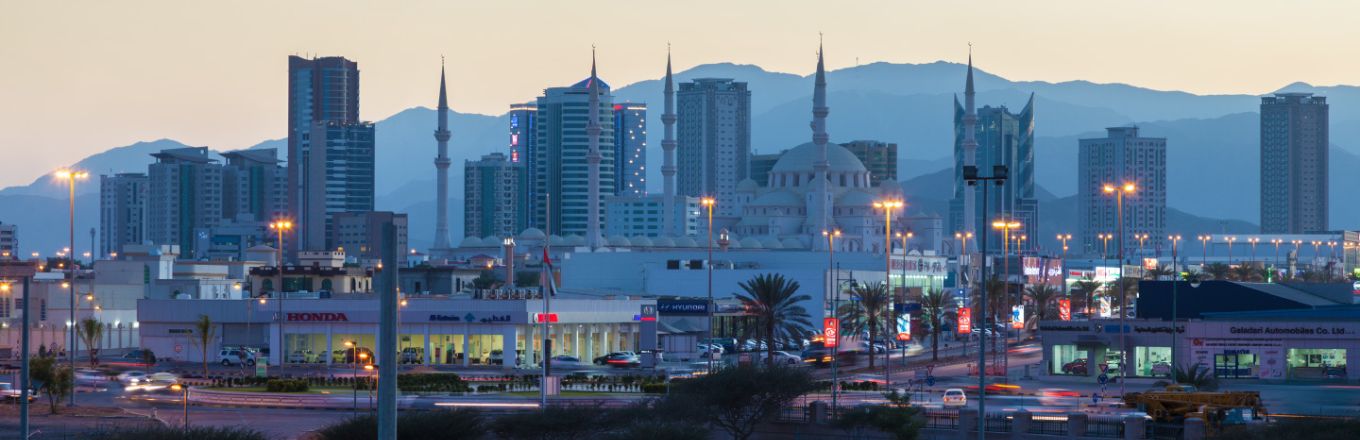
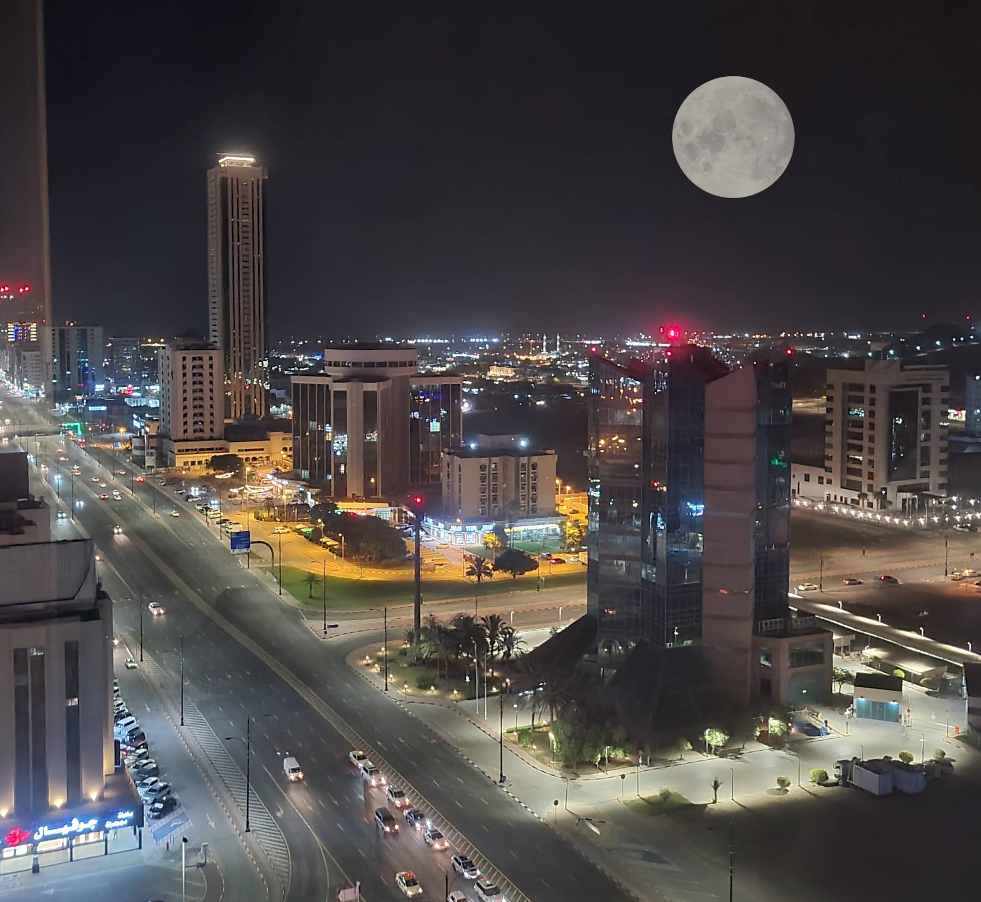
Fujairah City itself is the emirate's largest population centre with 121,538 residents. It serves as the emirate's commercial and administrative hub and is home to major attractions such as Fujairah City Center, government offices, and key business districts.

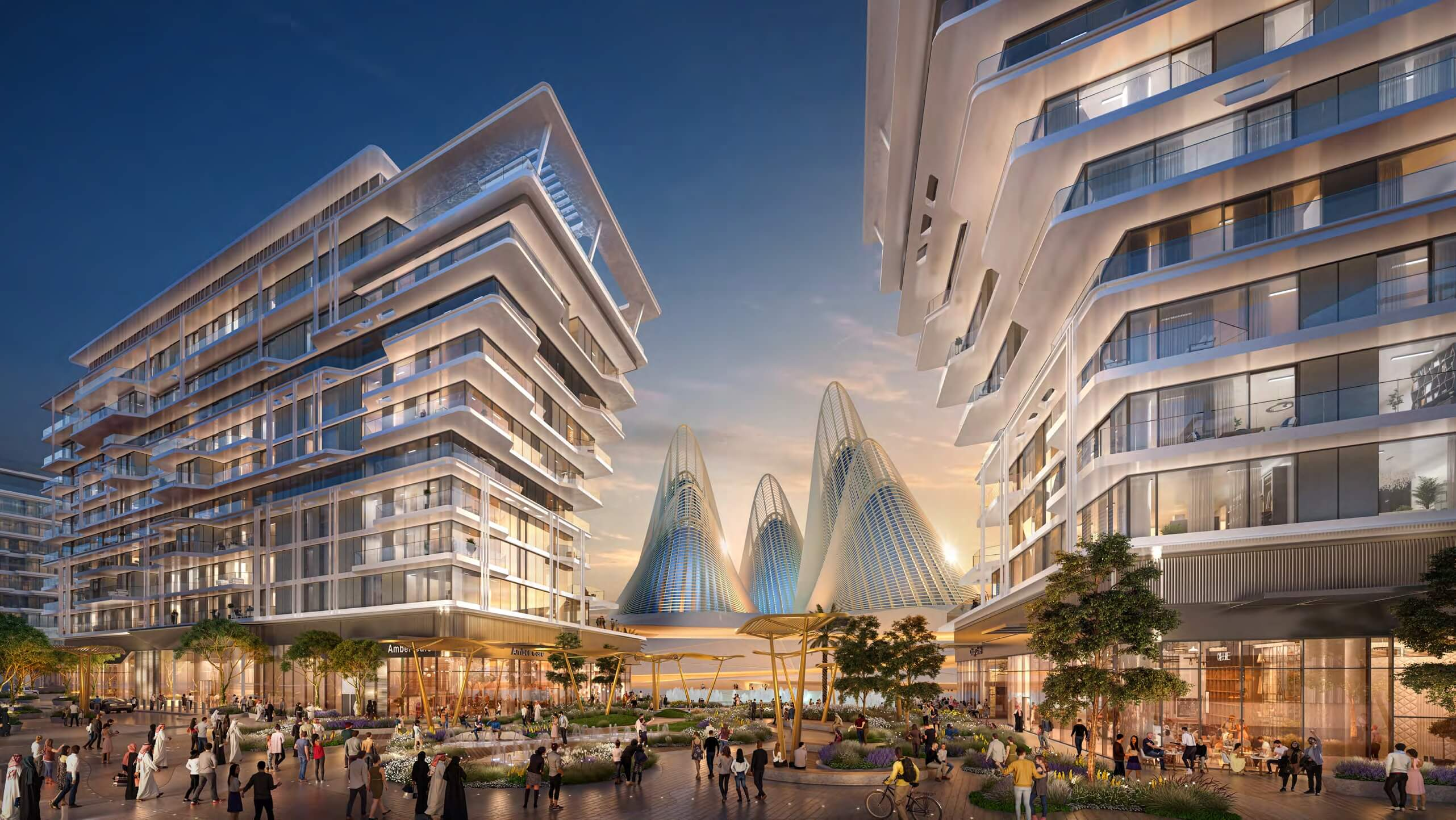
The Fujairah 2040 Plan focuses on enhancing housing and transportation infrastructure, with work already underway on road improvements, water barriers, ports, residential communities, and advanced healthcare facilities at a total investment of AED 1.5 billion. So, the emirate you are considering today is actively transforming, more than any official document can capture.
Fujairah delivers multiple property categories. The market is still maturing, and freehold regulations for foreign nationals continue to evolve, so understanding what is available and where matters quite a bit before committing.
Apartments: Mid-rise buildings are common across Fujairah City, offering studios and one-to two-bedroom units. Many of them give views of either the sea or the mountains, and they are commonly sold for far less than comparable coastal units in Dubai or Abu Dhabi.
Villas: Housing districts such as Sakamkam, Al Faseel, and Al Hilal have large villas, many of which include private gardens and garages. These are particularly appealing to larger families and Emirati buyers. Sakamkam is on the southern edge of the city and borders older established communities, while Al Faseel is more central.
Townhouses: These are starting to appear in newer gated developments. They have a trade-off between space and cost-effectiveness, mostly on the edges of the city centre. Not the most common option yet, but growing.
Units: Al Hayl and Merashid have many plots available for sale for homes and businesses. Many people purchase plots to construct their own house or commercial property. Merashid is still under development, and it is anticipated to attract more residents in the future.
Beachfront & Resort Units: Al Aqah is renowned for its beachfront apartments and resort homes. It is one of the most popular coastal areas in Fujairah. Dibba Al Fujairah is also an attractive point for many local people.
Fujairah has 59 public and private schools serving 46,418 students, as well as five universities and other higher education institutions with a combined enrollment of 4,804 students. The selection is smaller than what Dubai and Sharjah offer, which is worth knowing up front if schooling options are a priority for your family, but it is not a dealbreaker for most.
Curriculum Options
Curricula across the emirate's private schools include CBSE (Indian), IGCSE and British-aligned programs, American curriculum, and national Arabic-language schools. Families from South Asia, particularly those with ties to the Indian subcontinent, will find a reasonable range of Indian curriculum options.
Schools tend to cluster around central Fujairah City, with fewer options in outlying communities like Dibba and Al Aqah. The families settling in Dibba and other northern communities should be prepared for longer school transport times.
Fujairah Private School
One of the more established private institutions in the city, offering a British-aligned curriculum from early years through secondary. Located centrally and reasonably accessible from the Sakamkam and Al Faseel neighbourhoods.
Indian Schools (CBSE & ICSE)
Several Indian curriculum schools operate in Fujairah City, catering to the sizable South Asian expatriate population. These range from primary-only nurseries to full K-12 institutions and are among the more affordable private school options in the emirate.
University of Fujairah
The main locally headquartered institution. It offers undergraduate and graduate programs in business, law, and engineering, among others. For postgraduate or specialist degrees not available locally, many residents commute to Sharjah or Dubai, both reachable in under two-and-a-half hours by road. However, that is a long commute to sustain.

HCT Fujairah Campuses
HCT operates two campuses in Fujairah, Al Faseel Women's Campus and Hulaifat Men's Campus. Together they enroll around 2,500 students, offering diploma and bachelor's programs in business, computer and information science, engineering technology, tourism management, and applied health sciences.
Fujairah wishes to establish a culture of excellence across its educational institutions, consistent with the goals of the Ministry of Education. That ambition has worth, even if the options are still catching up to it.
Healthcare infrastructure has expanded considerably, with the emirate now operating eight hospitals, 93 medical centers and clinics, and employing 971 doctors alongside 1,752 nursing staff. For a city of Fujairah's size, that is a solid foundation, though for highly specialized procedures, residents typically travel to Dubai or Sharjah.
Al Fujairah Hospital
Established in 1984, Al Fujairah Hospital is the largest hospital in the Eastern Region and the second-largest at the Emirates Health Services organizational level. It handles general and specialist care and serves as the primary public referral centre for the emirate. Most major medical needs can be addressed here.
Dibba Hospital
It serves residents in the northern parts of the emirate. including communities close to the Sharjah and Omani border zones. For residents of Dibba, Al Fujairah, and the surrounding areas near the Oman boundary, this is the most accessible public hospital option.
Aster Clinic Fujairah
Part of the well-known Aster DM Healthcare network, this clinic covers general practice, specialist consultations, and diagnostics. It is one of the more trusted private healthcare options for expats in the city.
Al Sharq Hospital
A private hospital providing a broader range of specialist services, including outpatient and inpatient care. Located within Fujairah City and generally well-regarded among the local expat community.
Emirates Health Services Centres
The Emirates Health Services authority manages several health centers spread across the emirate, including the Al-Halah Health Center, Shees Health Center, and Al-Khalibiya Health Center, the latter of which recently expanded its services. Access in the more remote mountain zones closer to the Omani border can be limited, though. That is simply the reality of its geography.
The retail in Fujairah is functional and improving constantly, though it remains modest in scale compared to the major northern emirates. Most shopping needs are covered within the city, but variety-seekers still make the occasional trip toward Sharjah or even Khor Fakkan, the Sharjah enclave that sits right on the border, for more options.
Fujairah City Center
Fujairah City Center is the emirate's largest shopping destination and one of the most visited retail hubs on the East Coast.
Fujairah Mall
An older mall with recognizable retail names and a reasonably priced food court. Reviewers consistently note its clean, family-friendly environment. The range of international dining options is still somewhat limited, but the daily shopping experience is pleasant enough, and the mall is accessible from most central neighbourhoods, including Sakamkam and Al Faseel.

Century Mall Fujairah
Located in the Sakamkam area on the southern edge of the city, Century Mall is a community-scale mall with a mix of retail and dining. It is smaller in scope than the city center but more convenient for residents in the southern neighbourhoods. Several hotels in the area reference it as a landmark, which gives a sense of how central it has become for that part of town.
Lulu Hypermarket
A staple for everyday household shopping. The Lulu in Fujairah is a practical constant for residents, offering groceries, household goods, electronics, and more. It serves as a key anchor for the city's daily retail needs and is referenced by almost every community guide for a reason.
Carrefour, City Centre Fujairah
Located inside City Centre Fujairah, the Carrefour hypermarket covers fresh produce, packaged goods, and general household essentials. An alternative to Lulu for residents closer to the northern part of the city.
Umbrella Beach Restaurants & Food Trucks
One of Fujairah's most lively public spaces. The beach area has been developed into a genuine evening destination, with fountains, lit walkways, murals of heritage scenes, and the dining options alongside it are varied. Middle Eastern, Mediterranean, American, and fusion are all represented, ranging from sit-down restaurants to casual food trucks. It is the kind of place that is probably better experienced than described.
Al Rumailah Farm
A popular local spot with a lively atmosphere, heritage-themed settings, and murals depicting traditional life. It is genuinely worth a visit if you are spending extended time in Fujairah, the kind of place residents actually return to rather than only visit once.
Hotel Dining, Al Aqah & Dibba
Many of the emirate's higher-end dining experiences can be found in the resort areas of Al Aqah and Dibba. The Intercontinental, Rotana, and Miramar all operate multiple dining outlets with decent quality, though the setting tends toward resort pricing.
Fujairah has an impressively strong hotel scene for its size, concentrated heavily along the Al Aqah coast, which sits between Khor Fakkan to the north and the wider Fujairah coastline to the south. The combination of mountains immediately behind and the Indian Ocean directly ahead makes this stretch genuinely memorable to stay in.

InterContinental Fujairah Resort is one of the leading luxury resorts on Al Aqah Beach, offering ocean-facing rooms, private beach access, and views of the Hajar Mountains. The architecture blends traditional Arabian design with international luxury, and the resort holds a private stretch of Al Aqah Beach.
Guided yoga sessions, temperature-controlled pools, and a spa make it a full-service stay. Snoopy Island, the much-visited snorkelling site, is directly offshore.
Fujairah Rotana Resort & Spa
Nestled between the Indian Ocean and the Hajar mountain range, the Rotana is positioned firmly as a retreat for both leisure and business. It operates a private beach, two outdoor tennis courts, a kids' club, mini golf, and multiple dining outlets. The resort is a short drive from the Sharjah enclave of Khor Fakkan, making it a reasonable base for exploring the full coastline.
Le Méridien Al Aqah Beach Resort
A long-standing five-star property offering mountain-view rooms and a dedicated diving centre, useful for those planning to explore the coral reefs off Al Aqah. Popular with families and particularly known for the diving facilities, which are among the better-equipped in the area.
Fairmont Fujairah Beach Resort
Fairmont Fujairah Beach Resort is located in Dibba and is one of the most distinctive luxury resorts on the East Coast. Outdoor pool, sun terrace, and beach access come standard. Its location in Dibba puts it closer to some of the more remote snorkelling and fishing spots.
Sandy Beach Hotel & Resort
A more modestly scaled five-star offering with a panoramic rooftop bar and direct access to the beach near Snoopy Island. Consistently popular and well-reviewed for its location. Not the most glamorous property on the strip, but the positioning next to one of the UAE's best snorkelling sites is hard to compete with.
Miramar Al Aqah Beach Resort
Four restaurants, a full-service spa, a kids' club, a childrens pool, a gym, and an outdoor pool. A family-oriented resort that covers most bases without quite reaching the premium of the Rotana or the Intercontinental.
V Hotel Fujairah
V Hotel Fujairah is a modern city hotel offering comfortable accommodation close to Fujairah's commercial districts and major road connections.
Concorde Hotel Fujairah
Concorde Hotel Fujairah is one of the emirate's best-known city hotels, located on Hamad Bin Abdullah Road in the heart of Fujairah City. A practical four-star base for those whose interests is more city-focused than beach resort oriented.
Nour Arjaan by Rotana
A four-star hotel on Hamad Bin Abdulla Street in central Fujairah, approximately 1.8 km from the Lulu Hypermarket and within the commercial district. Restaurant, outdoor pool, bar, and gym. Suitable for extended stays or longer-term visitors who want hotel facilities without a resort layout.
Aparthotel Adagio Fujairah
A serviced apartment option six minutes on foot from the Heritage Museum. A reasonable choice for families or longer-term visitors who want self-contained kitchen facilities and more space than a standard hotel room provides.
Al Bahar Hotel & Resort Fujairah
A five-star smoke-free property within walking distance of a private beach, situated near the business district of the city. Newer than some of the Al Aqah properties and underrated as a result. Worth considering for those who want five-star standards without committing fully to a remote resort stay.

Getting around Fujairah requires some honest planning. The emirate is not walkable in the way that parts of Sharjah or Dubai are, and private vehicle ownership is, practically speaking, the default for most residents. That said, the inter-emirate bus connections are reliable and reasonably comfortable.
Main Highways
Hamad Bin Abdullah Road is the main artery connecting various parts of Fujairah City and stretching onward toward Dubai through the Emirate of Sharjah. The E102, also known as the Sharjah–Kalba Road, provides the most direct connection between the two emirates, passing through the Hajar Mountains along a route that is scenic and well-maintained.
Speed limits on certain sections have been increased to 100 km/h in recent years. There are no tolls on this route, unlike some Dubai roads. Mountain sections require careful driving, particularly during or after rain.
Driving Generally
Roads within the city are wide and relatively uncrowded by UAE standards. Al Aqah and Dibba, which border Khor Fakkan to the north and sit close to the Omani border communities, are roughly 45 to 60 minutes by car from central Fujairah City. Most beaches and public areas have free parking, which is a small but genuine quality-of-life detail.
E700, Fujairah to Dubai: Operated by Dubai's Roads and Transport Authority (RTA), the E700 bus runs daily between the Fujairah Bus Station and Dubai's Union Bus Station.
The journey takes roughly two to two-and-a-half hours, depending on traffic. It is air-conditioned, affordable, and used daily by workers and students commuting between the two emirates.
Route 116, Fujairah to Sharjah
The Sharjah Roads and Transport Authority (SRTA) operates Route 116 between Fujairah and Sharjah's Al Jubail Bus Station. Buses depart from 5:30 AM to 11:00 PM at roughly 30-minute intervals every day, including public holidays. The journey is approximately 1.5 to 2 hours. Tickets can be paid for with a Sayer Card.
Local Buses
Fujairah has a limited local bus network connecting key areas within the city, running approximately hourly from around 6:00 AM to 9:00 PM.
It is not extensive enough to serve as a primary way of getting around for most residents, but it exists and is affordable. For Dibba, Al Fujairah, the northern city bordering both the Sharjah Dibba enclave and Oman, public transportation is quite limited. A car is essentially a necessity.
Taxis & Car Rental
Both cabs and buses are readily available in Fujairah City at affordable fares. Major international car rental companies, including Hertz, Avis, and Budget, operate at Fujairah International Airport, major hotels, and shopping malls. Monthly rental options are available and often practical for longer stays. Economy cars and SUVs, the latter useful for mountain and wadi terrain, are both available.
Etihad Rail
The most anticipated transport development for the eastern coast. The Etihad Rail passenger service, when operational, would connect Fujairah to the broader national rail network for the first time, a significant change for commuters and residents. The timeline has been a subject of ongoing discussion, but it remains a genuine long-term demand catalyst for the region.
October to April is considered the ideal period for outdoor activity in Fujairah. The weather is cool enough for hiking, beach days, and sightseeing during those months, and the combination of mountains and coastline in such proximity is the single greatest lifestyle advantage the emirate offers. It is genuinely rare anywhere in the UAE.
Snoopy Island & Al Aqah Beach
Snoopy Island Fujairah, and Dibba Rock are among the most popular snorkelling and diving sites in the UAE. Several dive centres in the Al Aqah area offer guided dives and PADI courses for beginners and experienced divers alike. The waters here face the Indian Ocean rather than the shallower Arabian Gulf, which gives them notably clearer visibility.

Khor Fakkan Diving (Bordering Sharjah)
Nearby Khor Fakkan is another popular destination for diving and snorkelling. Certified divers can join boat trips to deeper sites, while snorkellers can access the reef from the beach itself. It is close enough to Al Aqah to be visited on the same day without any particular effort.
Umbrella Beach & Dadna Beach
Umbrella Beach Fujairah is one of the emirate's most popular waterfront destinations, offering food trucks, walking paths, family recreation areas, and sea views.
Wadi Wurayah
Wadi Wurayah Fujairah, is one of the UAE's most important protected natural areas. Known for its waterfalls, mountain scenery, and biodiversity, it attracts hikers, nature lovers, and photographers throughout the cooler months.
Deep-Sea Fishing
Several operators offer private charter trips for deep-sea fishing. It is a popular activity, particularly among residents from the northern emirates who visit Fujairah for weekend breaks. The eastern coast has a long-standing reputation as one of the better fishing stretches in the UAE.
Hajar Mountain Trails
The Hajar Mountains behind Fujairah City contain wadis, natural pools, and gorges that are increasingly well-signposted and accessible. Fujairah Adventures has developed trails for multiple fitness levels, from gentle valley walks to more demanding ridge routes above the communities of Al Hayl and the inland mountain villages. Off-road driving in the interior, particularly near the Omani border areas, is also a weekend staple for many residents.
Wadi Sana
A tranquil natural spot where hikers can swim in natural pools. The kind of place that is probably better visited once before describing, honestly. Surrounded by mountain scenery and relatively undeveloped, which is part of its appeal.
Al Bidyah Mosque & Fujairah Fort
Al Bidyah Mosque, the oldest in the UAE, sits in the area between Al Aqah and the Khor Fakkan border. Fujairah Fort is a historical monument in the city centre with a park encircling it. Both are accessible within short drives from most residential neighbourhoods and serve as quiet, unhurried places to visit.
Fujairah Adventure Park
A hub for sports and outdoor enthusiasts. Includes a bag jump facility for those aged 10 and above, a safe and straightforward adrenaline activity that is unusual for the UAE market. Located within reach of central Fujairah City.
Aqua Bounce Waterpark
The first floating water park in Fujairah is located in Dibba Al Fujairah near the Omani border communities. Features inflatable obstacle courses and water trampolines. A reasonable family option for those living in or visiting the northern parts of the emirate.
Camping & Stargazing
The reduced light pollution in the mountainous interior and the areas near the Omani border make this a genuinely good region for stargazing camping trips. Diverse landscapes, seas, desert patches, and mountains offer options for various kinds of overnight camping that are relatively easy to access from the city.

Fujairah showed property price growth of 37.85% between 2020 and 2025, with 2,853 properties increasing in value. That is more modest than Abu Dhabi or Dubai, but importantly, it is stable and positive, and the entry point is meaningfully lower.
Rental profits are at around 3.9 to 4.3%, which is modest compared to other emirates, but the lower entry costs and infrastructure development under the Fujairah 2040 Plan support long-term capital appreciation potential. The major infrastructure assets, such as Fujairah Port, the airport, and the free zone, continue to support economic growth and long-term investment potential.
Coastal and mountain scenery in proximity is rare anywhere in the UAE, and Fujairah has both. Entry costs are meaningfully lower than in Dubai or Abu Dhabi. The pace of life is quieter, and the Fujairah 2040 Plan, backed by AED 1.5 billion in active investment, suggests the infrastructure gap is narrowing.
Public transport is limited, and a car is essentially a requirement for daily life. School and hospital options are fewer than in the northern emirates. Retail variety is modest, and for specialist needs, medical, educational, or otherwise, residents often travel to Sharjah or Dubai, which takes time.
Can foreign nationals freely buy property in Fujairah?
Foreign nationals can buy freehold in designated approved zones or opt for 99-year leasehold arrangements through licensed developers. The approved zones are still limited compared to Dubai, so confirming eligibility for a specific plot or building before proceeding matters quite a bit.
How far is Fujairah from Dubai by road?
The drive takes roughly two to two-and-a-half hours, depending on traffic and which route you take. The E102 through the Hajar Mountains via the Sharjah–Kalba road is the most direct. The E700 bus connects both cities daily at a very affordable fare.
Is Fujairah a practical place for families with children?
It depends on what the family needs. Schools exist in the Indian, British, and Arabic, but the range is narrower than in Sharjah or Dubai. Healthcare is available, but specialist referrals often go to larger emirates. The outdoor lifestyle and lower cost of living are genuine positives worth weighing.
Unlock an Exclusive Deal!

New Units for Sale Coming Soon
Find your dream property for Sale with expert guidance and personalized support
Consultation with Our Expert
We will call you back within an hour and also send you additional information by emailUnlock an Exclusive Deal