

Explore Guide in Sweihan
Why Families Are Choosing Sweihan for a Slower, Connected Life
Sweihan is redefining the appeal of inland Abu Dhabi living. Tucked away from the urban rush, this agricultural community built around date farms and open desert offers families something increasingly rare: genuine breathing room. It's a place where your children can play outside without traffic anxiety, where weekends are spent camping under starlit skies rather than navigating mall crowds, and where housing costs free up your budget for experiences over square footage. Recent infrastructure upgrades and new villa developments are bringing modern conveniences to this traditionally rural area without eroding its essential character—a balance that appeals to parents seeking privacy, space, and a strong sense of place for their children's formative years.
Low-Rise Living with Room to Grow
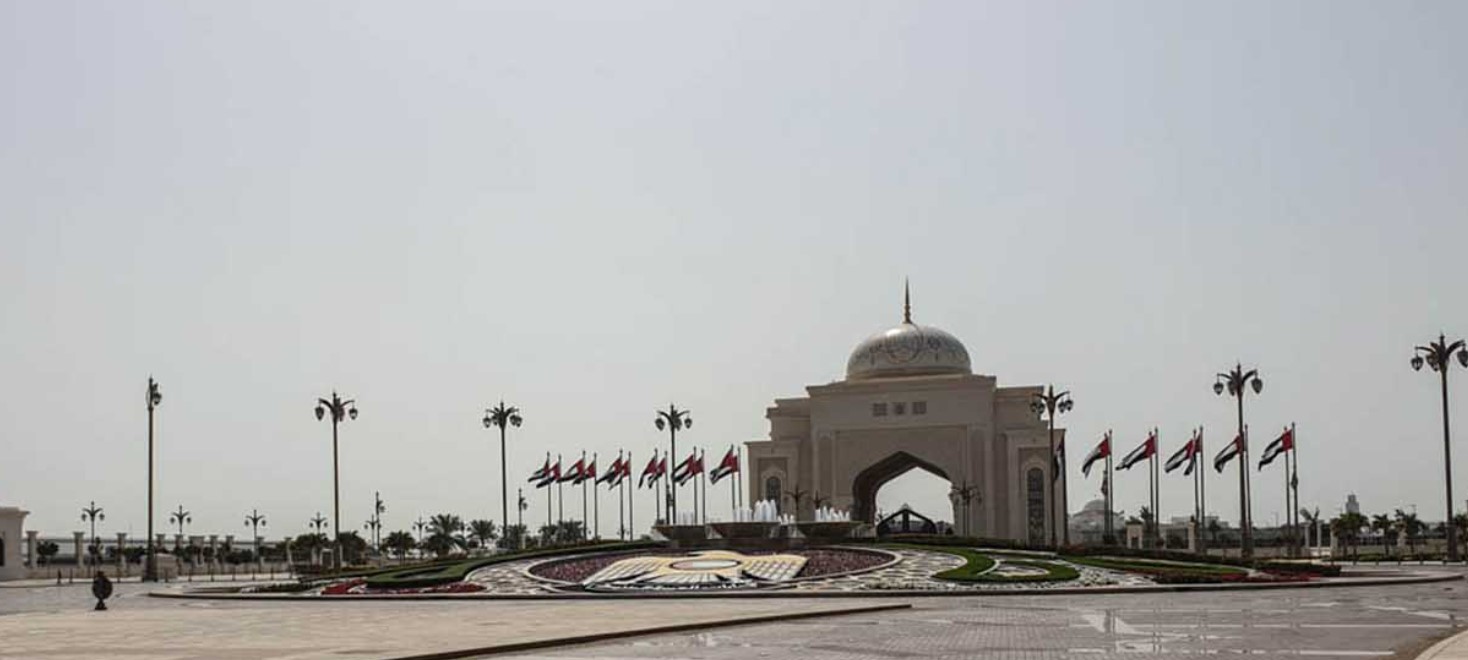
The housing stock in Sweihan focuses exclusively on low-rise villas and townhouses—no high-rise towers, no shared walls beyond townhouse layouts. Most properties come with private outdoor space, a feature that matters immensely when your household includes young children or pets. The affordability gap compared to coastal Abu Dhabi is significant; families here allocate less to mortgage or rent and more to savings, education, or leisure. That financial flexibility becomes a strategic advantage over time, particularly for households prioritizing retirement planning or children's university funds. The community draws a mix of agricultural workers, small business owners, and families employed in nearby industrial zones who value proximity to work over proximity to entertainment districts.
A Tight-Knit, Grounded Social Fabric
The social rhythm in Sweihan is anchored by its agricultural heritage. Neighbors know each other's names. Community events revolve around mosques and local gathering spaces rather than commercial entertainment. For families coming from apartment living in denser areas, the shift can feel liberating—children form friendships through outdoor play rather than scheduled playdates, and parents build networks through shared school runs and Friday prayers. This environment suits households seeking a slower pace and a more traditional Gulf lifestyle, where community ties develop organically rather than through residents' associations or social clubs. The trade-off is clear: you gain authenticity and connection but sacrifice the anonymity and transient convenience of urban apartment complexes.
The Essentials Are Covered, Not Curated
Daily convenience in Sweihan centers on practicality over variety. Grocery stores, pharmacies, and community centers handle routine needs, while local markets supply fresh produce often sourced from the surrounding farms. You won't find specialty coffee roasters or boutique homeware shops, but the cost of staple goods is noticeably lower than in Abu Dhabi city. Dining revolves around small local cafes and family-run restaurants serving traditional Emirati and Arabic meals—comfort food made well, without the markup of hotel restaurants or trendy fusion menus. For weekly shopping beyond basics, most residents make planned trips to larger retail centers in Al Ain or Abu Dhabi, treating them as occasional outings rather than habitual errands. This rhythm reduces impulse spending and encourages more intentional household budgeting.
Education and Healthcare: Functional but Not Comprehensive
Sweihan's educational infrastructure covers primary and secondary schooling through a mix of government and private institutions, sufficient for younger children but limited in curriculum diversity or extracurricular depth. Families with teenagers often look toward schools in Al Ain or Abu Dhabi for IB programs or specialized curricula. Healthcare follows a similar pattern: community clinics handle routine care and minor illnesses effectively, but serious medical needs require travel to larger hospitals in neighboring towns or the capital. This setup works well for healthy, young families with manageable medical histories. For households with chronic conditions or specialized healthcare needs, the lack of on-site advanced facilities becomes a meaningful consideration—emergency response times are longer, and specialist appointments require advance planning and travel.
Car-Dependent by Design, But the Roads Are Clear
Sweihan is connected to Abu Dhabi and neighboring emirates via well-maintained highways, but public transportation is functionally nonexistent. Every household here needs at least one private vehicle, and two-car families are the norm. The upside: commutes are fast and predictable once you're on the highway, with none of the congestion or parking struggles that plague city centers. Fuel costs are low, and traffic enforcement is straightforward. For households already owning vehicles, the transition is seamless. For those reliant on metro systems or ride-hailing in other cities, the adjustment involves upfront vehicle purchase and insurance costs, which should be factored into relocation budgets. The drive to Abu Dhabi city takes roughly 45–60 minutes depending on your destination, making daily commutes feasible but not trivial.
What You Gain and What You Trade
The case for Sweihan rests on what you value most. Families here gain affordability, space, safety, and a child-friendly outdoor environment. The open desert landscape supports weekend camping, off-roading, and unstructured exploration—activities that foster independence and resilience in children. The downsides are equally clear: limited dining variety, sparse fitness and wellness facilities, minimal entertainment infrastructure, and reliance on travel for specialized services. Beauty salons, gyms, and cultural venues require trips to larger towns. This is not a place for spontaneous nights out or urban conveniences within walking distance. The lifestyle succeeds for households who view home as a sanctuary rather than a launchpad into constant activity, and who are comfortable trading retail access for financial breathing room and environmental calm.
Infrastructure Growth Is Underway
Sweihan's growth trajectory is being shaped by planned residential expansions and infrastructure upgrades aimed at supporting a larger population base. Improved road networks are expected to reduce travel times to Abu Dhabi, while new community facilities will enhance local amenities. These developments signal government commitment to the area's long-term viability, which matters for property value stability. Families buying now are entering ahead of this curve, positioning themselves to benefit from future convenience improvements while still accessing today's lower entry prices. The risk is execution timing—infrastructure projects in emerging areas often face delays, so households should plan based on current conditions rather than projected timelines, treating future upgrades as upside rather than certainty.
Common Questions About Living in Sweihan
Q: Is Sweihan suitable for families?
Yes, particularly families who value outdoor space, affordability, and a slower pace over urban amenities. The environment suits young children and parents comfortable with a rural lifestyle.
Q: Are there schools in Sweihan?
Local schools cover primary and secondary education adequately. Families seeking specialized curricula or advanced programs typically look toward Al Ain or Abu Dhabi.
Q: How accessible is Sweihan from Abu Dhabi city?
The drive takes 45–60 minutes via highway. Public transport is unavailable, so private vehicle ownership is essential.
Q: What are the main lifestyle trade-offs?
You gain space, affordability, and safety but sacrifice dining variety, entertainment options, and immediate access to specialized services. Most households make weekly trips to larger towns for non-essential shopping and leisure.