Commercial
Developers


Fine Home Social Profiles:
Fine Home © 2026. All rights reserved.
Terms & Conditions
Powered By

Commercial
Developers
Fine Home Social Profiles:
Fine Home © 2026. All rights reserved.
Powered By

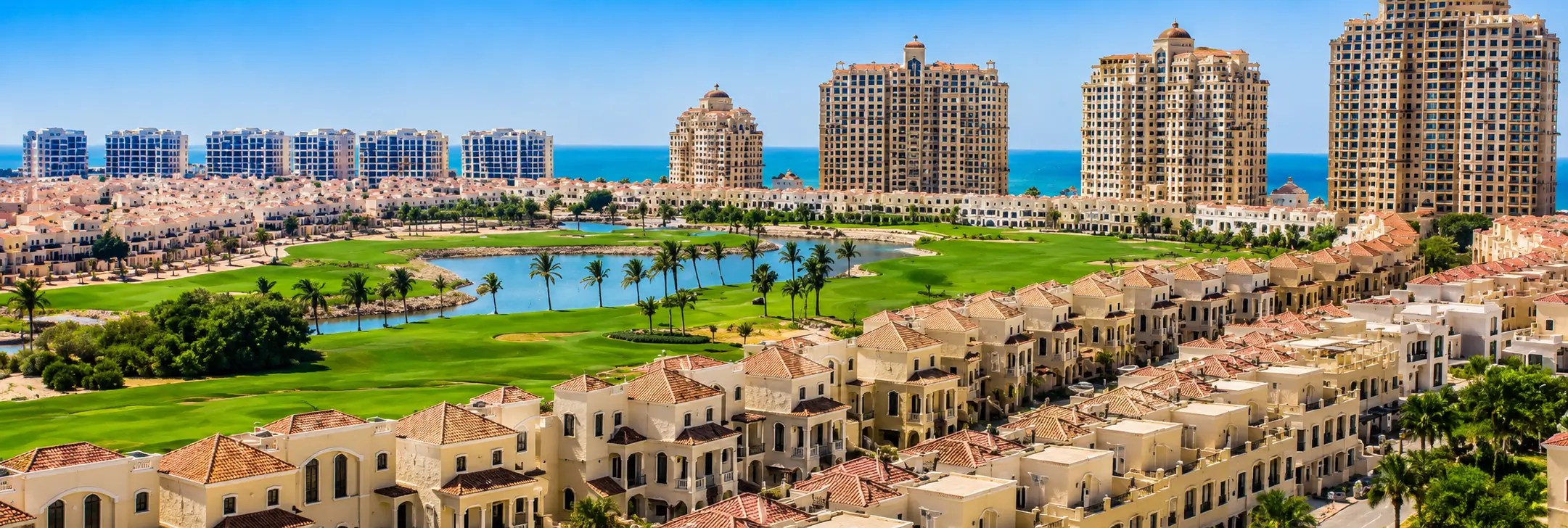
Ras Al Khaimah is one of the seven emirates of the United Arab Emirates and the northernmost emirate in the country. It is known for its diverse landscape, combining beaches, mountains, deserts, mangroves, and historic areas. The emirate has ...
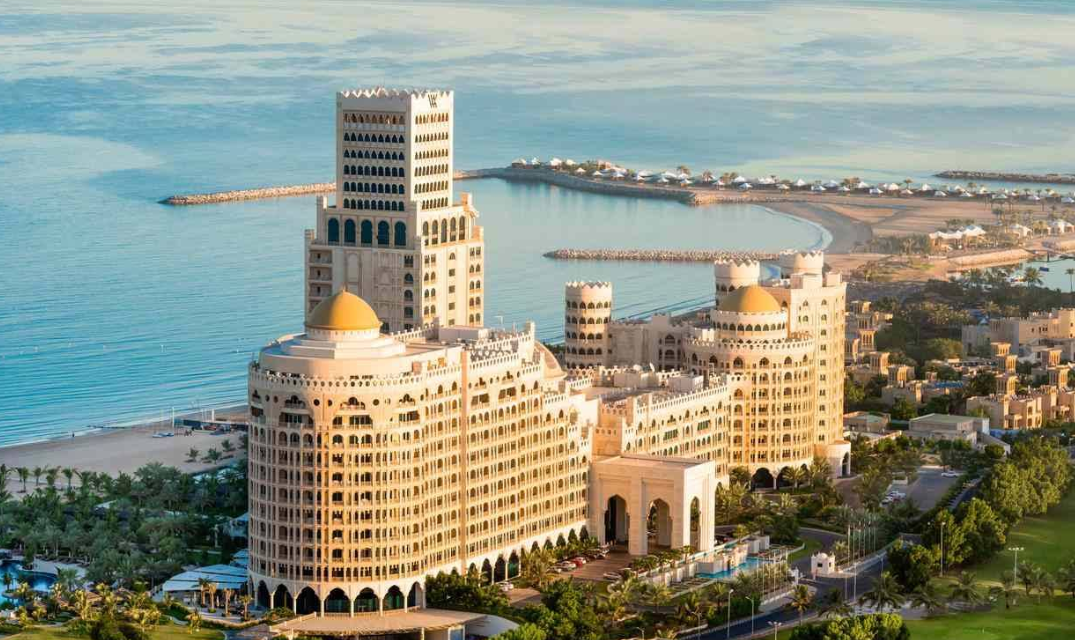
Ras Al Khaimah is one of the seven emirates of the United Arab Emirates and the northernmost emirate in the country. It is known for its diverse landscape, combining beaches, mountains, deserts, mangroves, and historic areas. The emirate has around 64 kilometres of coastline and is home to Jebel Jais, the highest mountain in the UAE.
Ras Al Khaimah offers a combination of residential communities, coastal developments, tourism destinations, hotels, resorts, commercial areas, and growing real estate projects. The emirate provides a quieter lifestyle while maintaining access to modern infrastructure and essential services.
Its natural environment and growing tourism sector make Ras Al Khaimah suitable for families, professionals, visitors, and property buyers. The emirate also has a diverse economy, an international airport, a major seaport, schools, universities, healthcare facilities, shopping centres, and business areas.
The main urban centre of the emirate, offering residential communities, government services, shopping areas, restaurants, healthcare facilities, and everyday amenities.
A central residential and commercial area with access to various services, shops, restaurants, and healthcare facilities.
A residential area offering villas, apartments, and convenient access to services and main roads.
A residential and mixed-use area located close to the city and several local amenities.
One of the established residential areas in Ras Al Khaimah, offering villas and family-oriented communities.
A major mixed-use development combining residential communities, hotels, leisure facilities, retail, golf, and waterfront destinations.
A prominent waterfront development featuring residential properties, hotels, resorts, restaurants, and leisure facilities.
A coastal mixed-use development offering residential communities, resorts, waterfront areas, and leisure facilities.
A historic coastal area known for its traditional heritage and proximity to modern developments.
A coastal area in the northern part of the emirate, known for its beaches, traditional character, and proximity to natural attractions.
A residential area with villas and local services, offering a quieter environment while remaining connected to Ras Al Khaimah City.
The mountainous area surrounding the UAE's highest peak, offering hiking, mountain activities, scenic drives, and adventure attractions.
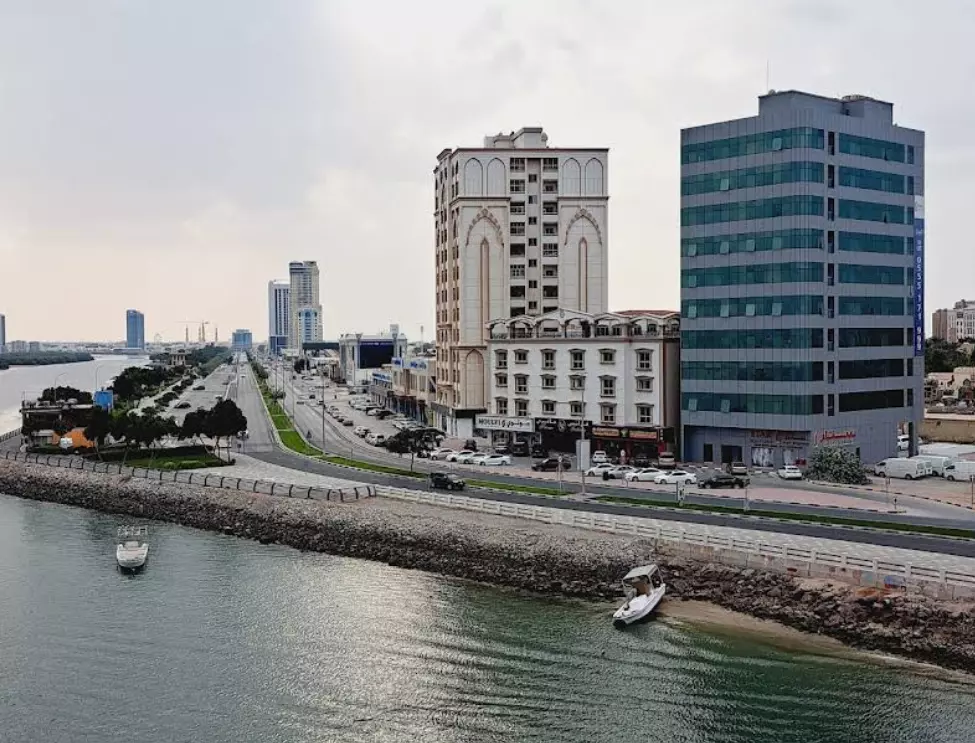
Apartments are available across the city and waterfront developments, ranging from practical residential units to luxury apartments with sea views.
Townhouses are available in several master-planned communities and are suitable for families looking for additional space and community facilities.
Villas are available in established residential areas as well as waterfront and resort communities.
Luxury residences include premium villas, waterfront apartments, branded residences, and resort-style properties.
Ras Al Khaimah has a growing number of new residential and tourism-related developments, offering buyers different opportunities depending on the project, location, and payment plan.
Commercial options include retail shops, offices, commercial buildings, and properties serving businesses and tourism-related activities.
Ras Al Khaimah has a broad range of schools serving local and expatriate families. The emirate's Public Service Department states that there are more than 100 schools across the emirate.
Higher education options include the American University of Ras Al Khaimah, RAK Medical & Health Sciences University, Higher Colleges of Technology, and international university campuses.
The emirate provides government and private healthcare services covering general and specialised medical needs.
Healthcare facilities include hospitals, clinics, medical centres, pharmacies, and specialised healthcare providers. Major facilities listed by the official tourism authority include Sheikh Khalifa Specialty Hospital, Saqr Hospital, and Al Zahrawi Hospital.
Residents can access healthcare services through different insurance providers and coverage plans according to their individual policies.
Major shopping destinations include:
These destinations provide shopping, supermarkets, restaurants, cafés, entertainment, and everyday services. The official Ras Al Khaimah tourism platform highlights Al Hamra Mall and Manar Mall among the emirate's shopping destinations.
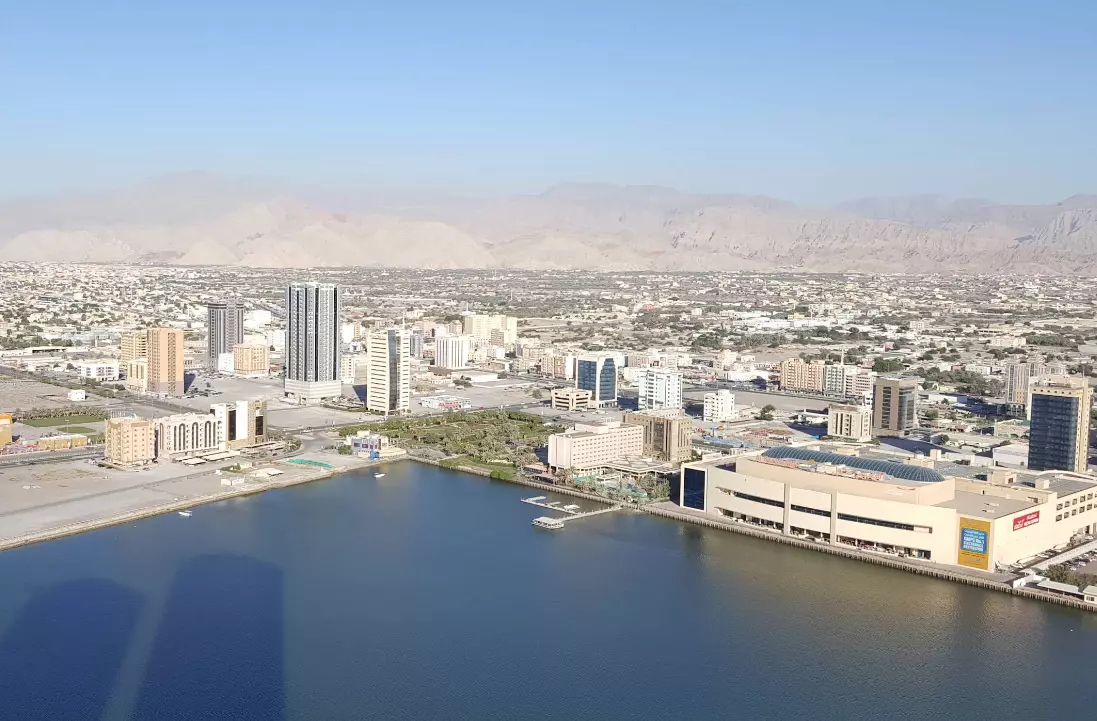
Ras Al Khaimah has a wide range of accommodation options, including luxury resorts, beachfront hotels, family-friendly properties, city hotels, desert resorts, and mountain accommodation.
Key hotel and resort destinations include:
Bus services provide transportation within the emirate and connections to selected destinations.
Taxis are widely available and provide convenient transportation across the main areas of Ras Al Khaimah.
Private cars are commonly used for daily transportation, particularly for reaching residential communities, beaches, mountains, and destinations outside the city.
Ras Al Khaimah has road connections with Umm Al Quwain, Sharjah, Fujairah, Dubai, and other parts of the UAE. The emirate also has an international airport.
Ras Al Khaimah offers numerous beaches and coastal destinations, particularly around Al Marjan Island, Al Hamra, Mina Al Arab, and Al Rams.
Jebel Jais is one of the emirate's most important outdoor destinations, offering hiking, mountain drives, adventure activities, and spectacular views.
Jais Flight is one of the emirate's most prominent adventure attractions and is recognised as the world's longest zipline.
The mangrove areas provide opportunities for kayaking, nature exploration, and wildlife observation.
Visitors can enjoy desert safaris, dune activities, camping, camel experiences, and traditional cultural experiences.
Important attractions include Dhayah Fort, Al Jazirah Al Hamra, the National Museum of Ras Al Khaimah, and other historic sites.
Fitness and wellness options in Ras Al Khaimah include:
Residents and visitors can access a variety of beauty and personal-care services, including:
Ras Al Khaimah offers a lifestyle that combines modern communities with nature, heritage, and coastal living.
The emirate provides:
Its diverse landscape includes beaches, mountains, mangroves, deserts, and agricultural areas, creating a lifestyle that is different from the more urbanised UAE emirates.
Yes. The emirate offers residential communities, schools, healthcare facilities, shopping centres, recreational activities, and family-friendly destinations.
Popular areas include Al Hamra Village, Al Marjan Island, Mina Al Arab, Al Nakheel, Al Dhait, Al Rams, and Ras Al Khaimah City.
The emirate has a growing residential and tourism sector, with a range of established and developing communities. Investors should consider the specific location, property type, project, demand, and associated costs before making a decision.
The market includes apartments, villas, townhouses, luxury residences, waterfront properties, commercial properties, and off-plan developments.
Yes. Several major developments, including Al Marjan Island, Al Hamra Village, and Mina Al Arab, offer properties close to the coast.
Major attractions include Jebel Jais, Jais Flight, beaches, Al Jazirah Al Hamra, Dhayah Fort, mangroves, desert areas, and various resorts and cultural destinations.
Yes. Compared with the UAE's largest metropolitan areas, Ras Al Khaimah offers a combination of quieter residential communities, natural surroundings, and coastal and mountain environments.
Key factors include its natural environment, coastal communities, residential variety, family facilities, outdoor activities, tourism infrastructure, and connectivity with the rest of the UAE.
 Park
Park Restaurant
 School
 Hospital
 Mall
Mall Cinema
Unlock an Exclusive Deal!
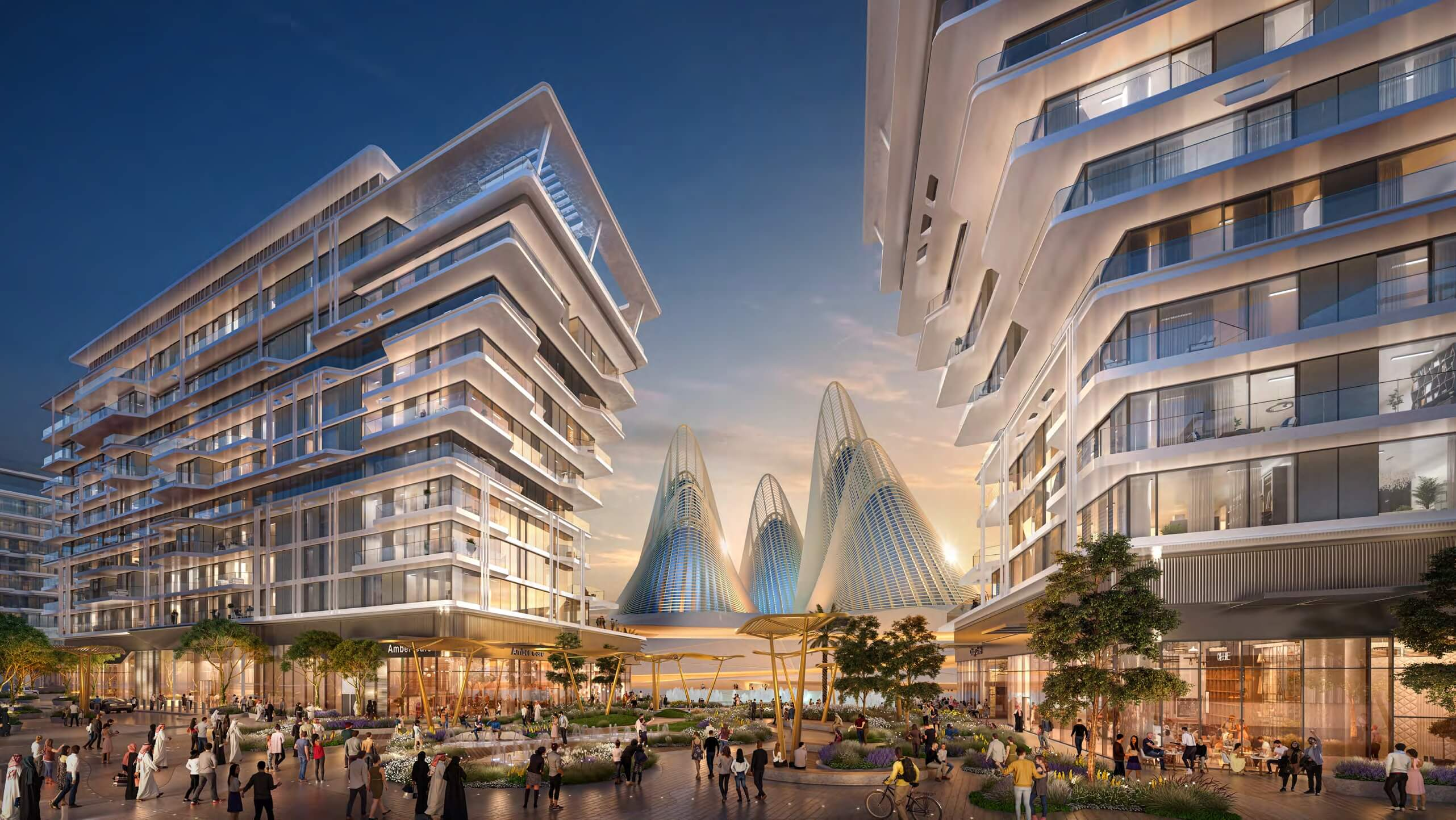
New Units for Sale Coming Soon
Find your dream property for Sale with expert guidance and personalized support
Consultation with Our Expert
We will call you back within an hour and also send you additional information by emailUnlock an Exclusive Deal