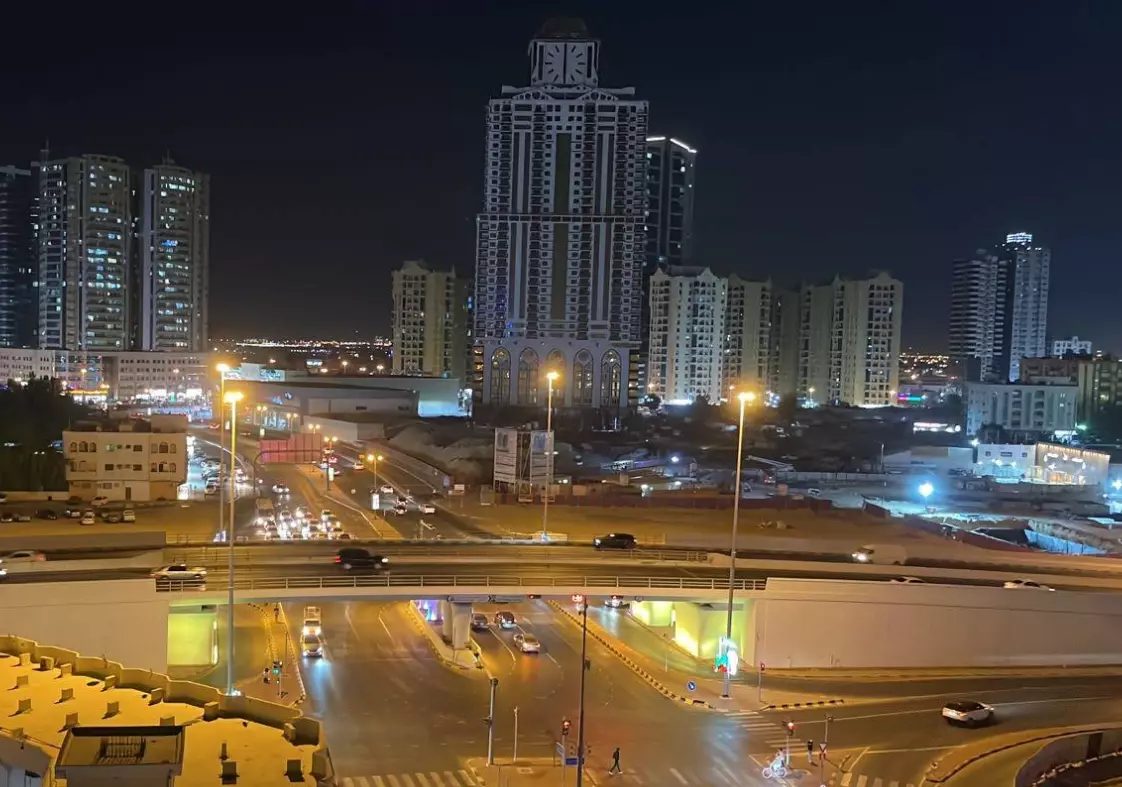
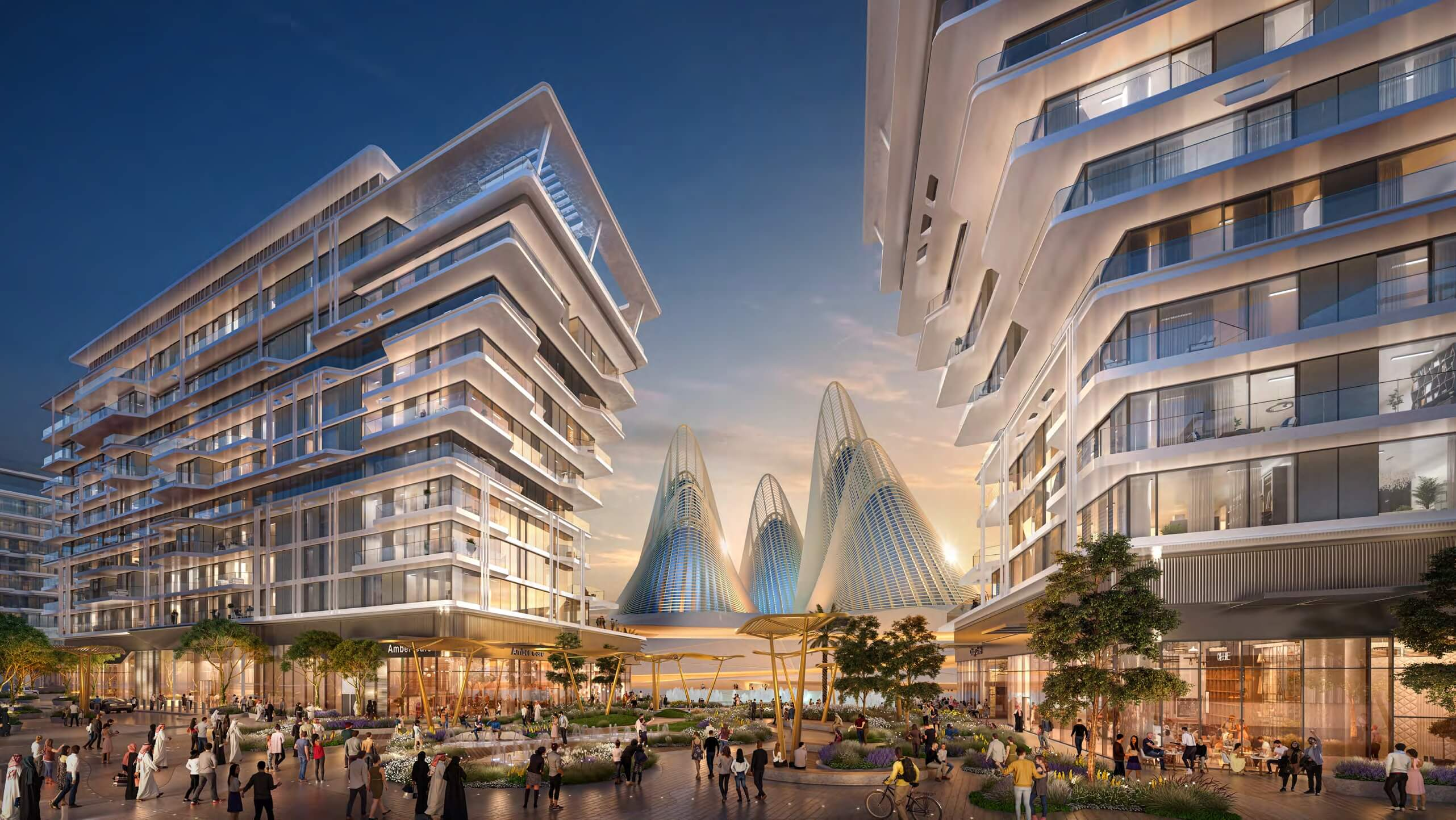
Learn about Ajman's property market, communities, lifestyle, schools, healthcare, transport, and investment opportunities. Find everything you need before buying, renting, or investing.

Ajman is easy to overlook. It is the smallest emirate, and most people pass through it on their way to somewhere else. But many residents have quietly settled here, perhaps because the rents made sense or the beach was closer than expected.
This guide covers what the emirate actually offers: property, schools, hospitals, and daily life, so you can read through it and decide what it means for you.
Ajman is roughly 260 sq. km and is the smallest of the seven emirates that make up the United Arab Emirates. It has about 0.3% of the country's total land area. Small, but not insignificant.
It is situated along the Arabian Gulf coast in the northern part of the UAE, squeezed between Sharjah to the south and west, Umm Al Quwain to the north, and the open Gulf to the west.
This emirate also has two inland exclaves, Manama and Masfut, tucked near the Hajar Mountains. So, while the main city feels very coastal and urban, the emirate itself is geographically more layered than it first appears.
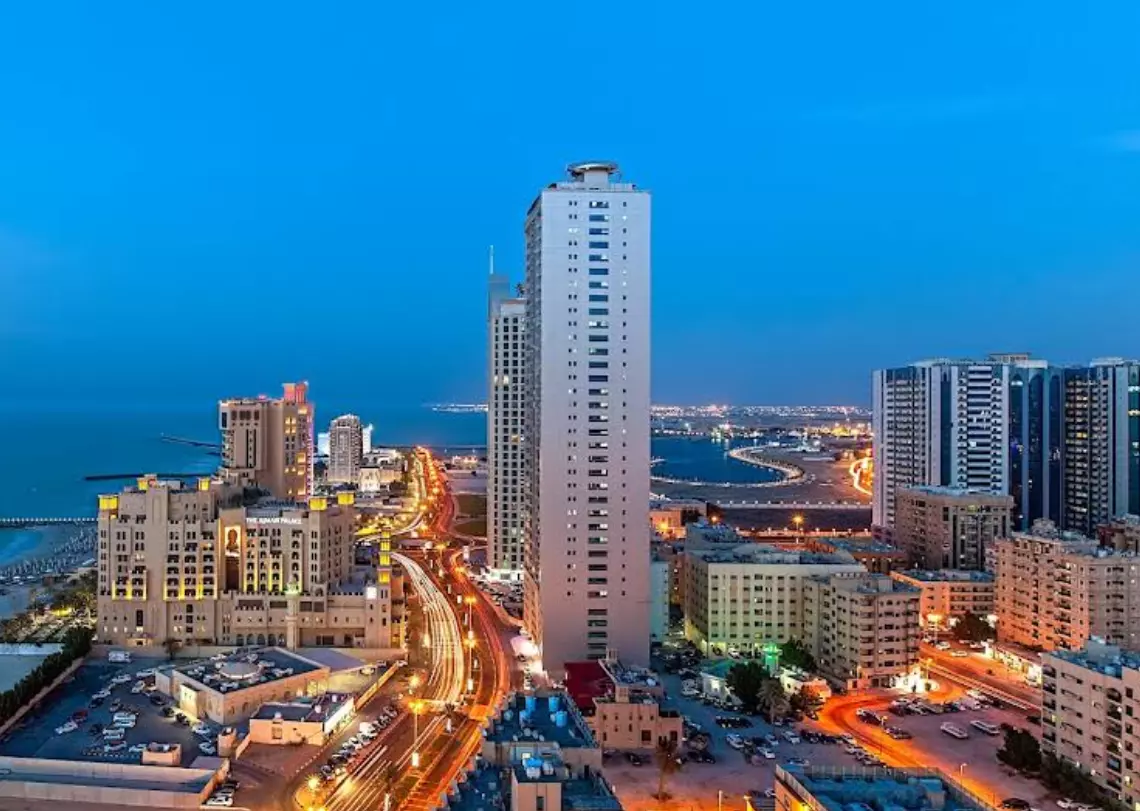
Ajman city proper, where the vast majority of residents live, is where the port, free zone, creek, and commercial districts are concentrated.
The population as of 2024 was estimated to be 583,105 (and counting), according to the Ajman Government's Statistics Center. The GDP at current prices exceeded AED 36 billion in 2023.
Because of how close it sits to Sharjah and Dubai, Ajman is perhaps 40 km from central Dubai, and a large portion of its residents commute daily across emirate lines. That cross-border movement shapes almost everything about how the city feels and functions.
The range of what you can buy, rent, or invest in across Ajman is wider than most people expect. The market has historically been dominated by mid-market apartments, but villa communities, gated townhouse clusters, hotel apartments, and a growing luxury coastal segment have all become relevant in the last few years. Below is a factual breakdown by type.

Apartments, from studios to three-bedroom units, are the dominant property type in Ajman, concentrated across several established districts.
Al Nuaimiya, which borders Sharjah's Al Muwaileh corridor, is one of the more family-oriented clusters with mid-market buildings and daily amenities.
And Al Rashidiya, close to the Sharjah boundary, has a strong investor base because of its rental profits and connectivity. Ajman Downtown and the Ajman Corniche strip attract buyers looking for sea-facing units.
Some specific residential towers worth noting in the apartment category:
Villas are found primarily in the newer, more planned communities to the north and east of the city, away from the older urban core. Al Zahya, Al Yasmeen, and Al Helio are the most cited villa areas.
In particular, Al Yasmeen Ajman has a quieter suburban feel near the Umm Al Quwain boundary with larger plot sizes and newer houses. In the Al Zahya area, normal yearly profits from rental villas have been around 6.6%.
Ajman Uptown is a gated master community at the intersection of Sheikh Mohammed Bin Zayed Road and the Sharjah–Ajman border, with French-style architecture across 1,504 villas and townhouses in 2- 3-, and 4-bedroom layouts.
It also includes commercial space, hotel apartments, and a shopping mall within the master plan.
Al Zorah, bordering Sharjah's Hamriyah coastline to the south, is the most premium residential and resort district in the emirate.
It is a joint venture between the Government of Ajman and Solidere International, and it includes the Al Zorah Golf Club, a nature reserve, mangrove waterways, and beachfront hotel properties.
Residential options within Al Zorah cover apartments, offices, and a growing portfolio of beach-facing villas.
The entry of Four Seasons management into the resort segment here (expected full opening in 2026) has added international visibility to the district.
Ajman Industrial 1 and Ajman Industrial 2 are the primary light-industrial zones, close to the port and free zone. They serve warehouse, logistics, and small manufacturing uses.
The Ajman Free Zone itself, near the port and adjacent to Sharjah's economic zones, offers business licensing and commercial unit leasing for startups through to medium enterprises. Al Jurf Industrial is a more recent zone drawing attention for commercial land and mixed-use investment.
Hotel apartments are scattered across the city, particularly near the Corniche and in communities adjacent to Sharjah. Ajman Marina is an area referenced in relation to marina-fronting hotel apartments and mixed-use development within the broader Ajman waterfront plan.
These units are often rented short- or mid-term and attract corporate tenants and families in transition.
| Ajman is a freehold emirate. Foreigners can legally own property inside designated freehold zones. But always verify zone classification with the Ajman Municipality & Planning Department before transacting. |
Ajman has become a pretty solid place for education, especially for its size. The schools are overseen by the Ministry of Education, and this was back in 2016.
The Ruler of Ajman set up the Knowledge and Human Development Authority to help improve school quality and make sure it keeps up with UAE education standards.
For families moving from Dubai or Sharjah, one of the main advantages is cost. Schools in Ajman are usually more affordable, and in the mid-range category, the teaching quality is generally quite comparable.
Situated at the junction between Ajman and Sharjah, this school draws students from both emirates and even some from Dubai and Umm Al Quwain.

It runs from KG to Year 13 (A-Levels and Sixth Form) on the British curriculum and holds Cambridge International School status. The campus features a robotics lab, an on-campus greenhouse, a butterfly garden, a rock garden, and multi-sport facilities.
A CBSE-affiliated co-educational K–12 school located in Al Zahra, established in 2002, with an enrollment of over 5,000 students.
Recognized as one of the best schools in the UAE by EW Global School Rankings in 2019. Families moving between the UAE and India tend to favor this school for curriculum continuity.
Offers the English National Curriculum from EYFS through to the secondary level. Admissions are open for 2026–27. The school describes itself as values-driven with a focus on personal development alongside academics.
Established in 1988 and affiliated with CBSE, New Delhi, and recognized by the UAE Ministry of Education. It is one of the older private schools in the emirate and remains a well-regarded CBSE option for Indian families settled near the Sharjah–Ajman border.
Located on University Street in Al Jerf 1, Ajman University offers 23 accredited undergraduate programs and 13 accredited graduate programs across nine colleges.
In 2020, it became one of the first six higher education institutions globally to receive QAA accreditation from the UK. In 2022, it became the first university in the UAE to earn an overall 5 QS Stars rating.
Founded in 1998 in Ajman, GMU is among the leading medical universities in the region. It offers MBBS, Doctor of Dental Medicine (DMD), Pharmacy (Pharm.D.), Physiotherapy, Biomedical Sciences, and Healthcare Management programs. It is ranked in the QS WUR rankings by subject.
Ajman's healthcare system runs across public and private sectors, with notable academic hospital infrastructure given the two major medical universities in the emirate.
Coverage is fairly broad for a city of its size, though for highly specialized tertiary care, many residents still travel to Dubai or Abu Dhabi. Most major insurance networks have direct billing arrangements with Ajman's established hospitals.
Part of PureHealth, the Middle East's largest healthcare group, Sheikh Khalifa Medical City in Ajman operates approximately 688 beds and employs over 2,500 healthcare professionals, including roughly 460 physicians.
It functions as the emirate's main public referral hospital and a key clinical training partner for Ajman University. Maternity and pediatric services are handled through a dedicated Sheikh Khalifa Maternity and Pediatric Hospital.
Operational since 2019 within Thumbay Medicity, this is one of the top private academic hospitals in Ajman. It offers 350 beds, the region's first PET-CT scanner for oncology patients, a 3-tesla MRI, and a 256-slice CT scanner for diagnostic imaging. Being a teaching hospital, it maintains a close relationship with Gulf Medical University.
Located on the 1st floor of Samha Plaza, behind Safeer Hypermarket in Rashidiya 1, which sits close to the Sharjah border. NMC Medical Centre Ajman is the first NMC Healthcare entity in Ajman.
NMC is a network that has been operating in the UAE for over 30 years. The center provides OPD services across major specialties, minor day-care procedures, and diagnostic investigations. It has direct billing with most major national and international insurance companies.
Amina Hospital Ajman has an established footprint in Ajman's private healthcare sector. It uses state-of-the-art technology and offers check-up packages for basic health, antenatal care, cardiac assessment, and diabetes management, packages that cover both consultation and laboratory testing.
Established in 2007, Ajman Medical Center has grown into a multi-specialty private clinic known particularly for its physiotherapy department. Patient reviews consistently mention the physiotherapy team and cupping therapy service. It is a community-level primary and secondary care provider.
Ibn Sina Medical Centre, part of the Anglo Arabian Healthcare group, also operates in Ajman with departments in pediatrics, gynecology, ENT, gastroenterology, physiotherapy, and full imaging and laboratory divisions. The Rashid Center for Diabetes and Research is another public-sector specialist facility.
For a small emirate, Ajman has a surprisingly active retail landscape. It draws shoppers from Sharjah and even parts of Dubai because of the general affordability and variety on offer. The mix ranges from large modern malls with international brands through to wholesale markets and traditional souks.
Owned and operated by Majid Al Futtaim, Ajman City Center opened in 1998 and remains the largest mall in the emirate, with 34,000 sq. m of retail space, 79 stores, 2,100 parking spaces, and roughly 10.5 million yearly visitors.
It sits on Al Ittihad Street (E11) in the Al Jurf district, near the Sheikh Khalifa interchange. Anchor tenants include Carrefour. Entertainment includes VOX Cinemas and Magic Planet.
Dining includes Gazebo, Nando's, and Mado, among others. Weekday evenings are noticeably quieter than weekends, when cross-emirate traffic from Sharjah communities adds to the crowd.
Opened in January 2020, Grand Mall Ajman is government-owned and operated by Ajman's municipality and planning department. It is located on Sheikh Khalifa Bin Zayed Street and comprises 90 shops, 163 commercial offices, 409 apartments, a hospital.

Also, a movie theater, making it a genuine mixed-use development rather than a standalone shopping destination. Also home to Grand Residence Tower, a 25-story residential building with access to a gym, pool, sauna, jacuzzi, and games room.
Safeer Mall Ajman covers 220,000 sq. ft with a large hypermarket, bank branches, mobile operator offices, a food court, and over 450 parking spaces. It is part of the Safeer Malls network across the UAE.
Location is on Salahuddin Al Ayyubi Street, behind the mall in Al Nuaimiya, which also puts it within easy reach of communities on the Sharjah side of the boundary. A loyalty card is available across all Safeer branches.
With more than 1,100 stores, China Mall Ajman is one of the most visited retail destinations in the UAE among budget-conscious shoppers. Clothing, home décor, electronics, furniture, carpets, and toys are the main categories. Bargaining is possible at many individual shops.
It is particularly popular among residents from the wider Sharjah - Ajman corridor and visitors from Ras Al Khaimah and Umm Al Quwain.
Lulu Hypermarket Ajman is a regular fixture of daily grocery and household shopping for Ajman residents. It offers a broad range of products across food, electronics, clothing, and household goods. Located conveniently within reach of several main residential zones.
Other than malls, the traditional souk near Ajman Creek offers gold, textiles, spices, and marine goods in an older market atmosphere. The Ajman Fish Market, close to the waterfront near the Sharjah–Ajman boundary, is consistently rated as one of the top-visited spots in the emirate for both locals and tourists. Fresh catches arrive daily, and the prices are notably lower than in Dubai.
Ajman's food scene is diverse, affordable, and more varied than it gets credit for. Middle Eastern and South Asian cuisines dominate the everyday dining landscape, but international hotel restaurants and newer waterfront venues have brought more range to the upper end. Alcohol is available at licensed hotel restaurants, bars, and select venues to non-Muslims aged 21 and above, with a valid ID.
Located on Damascus Street in Al Rawda 3, Emirates Sea Restaurant Ajman has built a strong local following over the years. It specializes in seafood, particularly Indian and Gulf preparations, with signature dishes that include Hamour Special (charcoal-grilled boneless cubes), dynamite prawns, butter chicken, chicken biryani, and lobster soup.
Reviews consistently mention generous portions and reasonable pricing. There is usually a wait during peak dinner hours. Google rating holds at 4.5.
Housed inside Wyndham Garden Ajman Corniche on the Ajman Corniche, Seascape is known for its seafood menu and panoramic Gulf views.
The menu draws from Ajman Fish Market daily, with grilled hammour, lobster thermidor, butterfly shrimp, and seafood biryani among the regular offerings.
The coastal interior, light blues, hanging lanterns, and floor-to-ceiling windows make it a notable choice for occasions or visitors wanting a nicer sit-down meal by the sea.
Located on the first floor of the Bahi Ajman Palace Hotel on Sheikh Humaid Bin Rashid Al Nuaimi Street, Dragon's Place is an Asian fusion restaurant with a Japanese and Thai focus.
There is a sushi bar and a private Teppanyaki table. The atmosphere is smart and casual. A well-regarded option for something distinctly different from the broader Middle Eastern/South Asian dining landscape in Ajman.
Situated inside the Ramada Beach Hotel overlooking Ajman Beach, King's Grill is a grill and buffet specialist covering Arabian, Continental, Pakistani, Indian, and Middle Eastern cuisines.

It is one of the more-reviewed mid-range options near the Corniche, popular with both hotel guests and walk-in diners.
Ajman's hotel stock covers a wider range than many assume. There are luxury beachfront properties on the Corniche, a wellness-specific resort, boutique city hotels, and a flagship luxury brand in the process of a major repositioning at Al Zorah.
Budget and mid-range options are also well represented, particularly around the older city core.
Beachfront flagship on the Ajman Corniche. Approximately 30 minutes from central Dubai. Full resort facilities. One of the most recognized hotel brands in the emirate.
Eco-luxury resort bordering Sharjah's Hamriyah coastline. Formerly The Oberoi. A 35-minute drive from Dubai International Airport. 280ft infinity pool, spa, private beach, 18-hole golf course access, kids' club. Transitioning to Four Seasons management in 2026.
Part of Marriott's Luxury Collection brand. Beachfront position on the Corniche. Full resort amenities.
Located in Ajman, 25 km from Dubai International Airport and 19 km from Sharjah International Airport.
Offers an outdoor pool, fitness center, restaurant, and free parking. An international dinner buffet is regularly offered at the lobby-level restaurant.
A smaller, quieter hotel with a rooftop pool and an on-site restaurant. Guests describe it as a calm, unpretentious stay.
Walking distance to Al Jarah Cultural Center and Al Nuaimia Mosque. Nearby restaurants include King's Grill and Al Roof Restaurant and Café.
Caravana Beach Resort Al Zorah and several apartment-style beach hotels along the Corniche fill out the mid-tier options for extended stays and family visits from Sharjah, Ras Al Khaimah, and Umm Al Quwain.
Getting around Ajman and connecting to the broader UAE is manageable, though peak-hour road congestion, particularly on the E11 (Sheikh Zayed Road extension) and E311 (Emirates Road), is a real factor in daily life.
The issue is not unique to Ajman; it is a corridor-level challenge shared with Sharjah and outer Dubai. That said, infrastructure investment is accelerating.
The E11 and E311 are the two primary arteries connecting Ajman to Sharjah and Dubai. Al Ittihad Street runs through the heart of the emirate, giving quick access to the city center, industrial zones, and the Corniche.
The inland exclave of Masfut is accessible via mountain roads heading toward Fujairah and the east coast, though that drive takes considerably longer.
Taxis remain the most reliable point-to-point option within Ajman. They can be flagged down or booked by phone at 600 52 5252. Careem and Uber both operate in the emirate, giving residents flexible app-based access without needing a private vehicle.
Inter-emirate bus routes E400 and E411 run between Dubai (Union and Etisalat stations, respectively) and Ajman. Ajman's internal bus network, managed by the Ajman Public Transport Corporation (APTC), covers main districts, including Al Nuaimiya, Al Rashidiya, the Corniche, and Emirates City Ajman.
Emirates City Ajman is served specifically by routes AJ3F-1, AJ3-1, AJ3-2, AJ3-3, and AJ3-4, connecting to Ajman city center, the industrial area, and Sharjah.
UAE authorities reviewed a 10-route bus rapid transit proposal in April 2026 that would link Dubai, Sharjah, and Ajman. The plan includes dedicated BRT lanes and direct connections to metro stations and city centers.
The Fourth Federal Corridor, a 68 km federal road budgeted at AED 6 billion, is under planning, featuring 10 major intersections, six to eight lanes in each direction, and four flyovers.
Sharjah International Airport is the closest commercial airport to Ajman, approximately 15–20 minutes by road. Dubai International Airport is accessible in 35–45 minutes, depending on traffic.
A long-discussed Ajman International Airport project, designed for 1 million passengers and 400,000 tonnes of cargo annually, has been planned since 2007 but has not yet entered construction.
Ajman moves at a slower pace than Dubai and, to a lesser extent, Sharjah. That is not a flaw; for many residents, it is exactly the point. The Corniche is the social backbone of the city: a wide Gulf-facing promenade used morning and evening for walking, jogging, cycling, and informal gathering.
On weekends, it fills up noticeably, and families from Sharjah communities like Al Rumaila and Al Muwaileh regularly drive in to use the beach.
The traditional dhow-building industry still operates near Ajman Creek. So does the gold souk, the textile souk, and the fish market near the waterfront.
These are not performative heritage attractions; they are working markets, and the prices reflect that. For residents, the creek area and old souk precinct offer a genuine alternative to mall shopping.
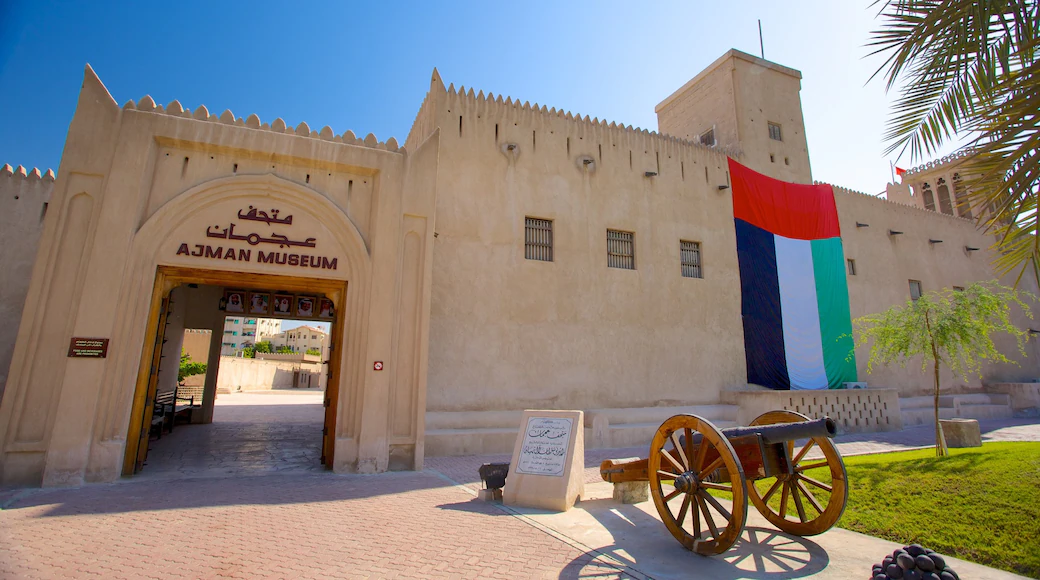
The Ajman Museum, housed inside the 18th-century Ajman Fort, the former residence of the emirate's rulers, covers Ajman's ancient and recent past through excavated artifacts, tribal weaponry, replica dhow boats, traditional manuscripts, and dioramas of domestic life.
It is one of the better small museums in the Northern Emirates and is worth visiting, perhaps especially for families with children.
Community diversity in Ajman is significant. Emirati nationals, South Asian expatriates, Arab nationals from across the region, and a growing European and East Asian presence, particularly around Al Zorah and Ajman Corniche, all coexist across the emirate's districts.
The border communities near Sharjah feel quite urban and dense. The villa areas near Umm Al Quwain feel quieter and more suburban. And Al Zorah, bordering Hamriyah, has its own distinct character, a nature reserve setting that feels more like a resort enclave than a city neighborhood.
Dressing modestly is expected in public settings and professional environments. Longer greetings before business interactions are an important cultural norm. Alcohol is available at licensed hotel venues; public drinking is prohibited and carries legal consequences.
Outdoor life in Ajman is more varied than the compact geography suggests. The coastline, the mangrove nature reserve, the creek, and the inland mountain exclaves all provide meaningfully different outdoor environments, which is somewhat unusual for an emirate this size.
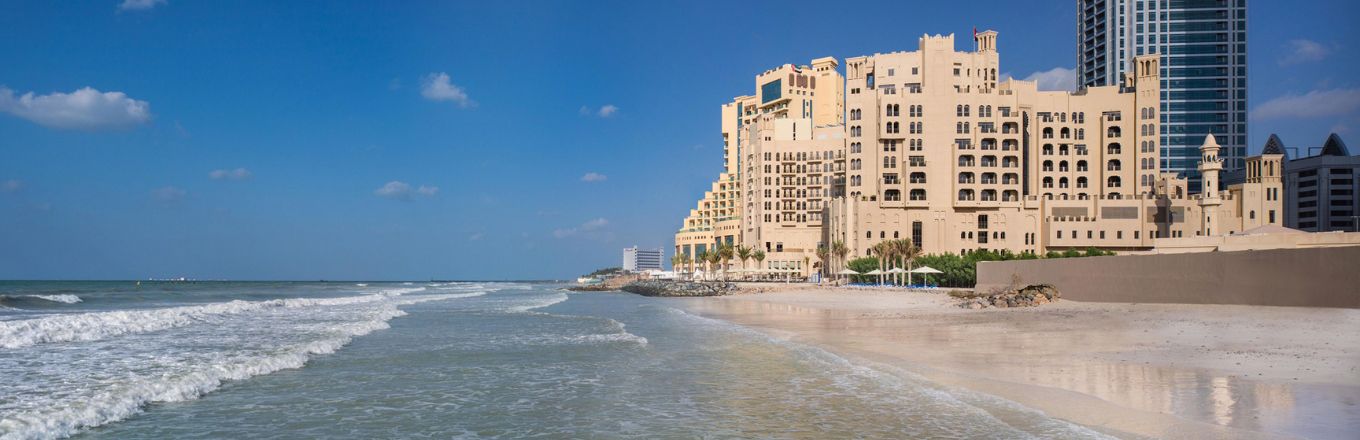
Ajman's beaches are consistently described as quieter than Dubai's and popular among residents. The main public beach along Ajman Corniche is wide, sandy, and relatively uncrowded by UAE coastal standards.
Families from the adjacent Sharjah communities use these beaches frequently on weekends. The sea is generally calm and clear. Swimming, paddleboarding, and simply sitting by the water are the dominant activities.
One of the most ecologically significant areas in the northern UAE, the Al Zorah mangrove reserve borders Sharjah's Hamriyah coastline to the south.
Kayaking and paddleboarding through the mangrove channels are popular, and the reserve supports birdwatching, given its protected status and diverse species. Eco-adventure experiences are available through the Al Zorah resort and activity operators in the area.
An 18-hole championship golf course within the Al Zorah development. Adjacent to the beach resort, the golf club is accessible to both residents and visitors. ZOYA Health & Wellbeing Resort is a one-minute drive from the club.
Ajman's first floating water park is positioned on the sea. A family-oriented outdoor activity option on the Ajman Beach / Corniche stretch.
The inland exclave of Masfut, near the Hajar Mountains, gives access to 4WD desert terrain, camel trekking, and hot-air balloon experiences. It is a different Ajman entirely from the coastal city, considerably more remote and quieter.
The drive toward Fujairah and the east coast passes through this area, making it a natural stopping point for those exploring the northern mountains.
The 18th-century fort museum on the Ajman Corniche is the cultural anchor of the emirate's outdoor-heritage circuit. The cannon-flanked gateway, sand-colored ramparts, and antique wooden doors make it visually striking.

Inside, it covers everything from pre-Islamic burial sites to traditional domestic life. It's about six minutes from Falcon Tower Ajman Road, and near the heritage souk district.
The UAE Pygmy Zoo is a family-friendly animal attraction within the city, where visitors can interact with and feed animals.
The Ajman Ladies Park is a dedicated recreational green space for women and families, a relatively uncommon amenity and one that residents in areas bordering Sharjah communities also use.
Just like there are many options for outdoor activities in Ajman, there are many for fitness and beauty, too. Instead of discussing each place, let’s understand the whole picture in parts:
The most complete wellness destination in the emirate. ZOYA is not just a gym; it offers spa therapies (massages, body treatments, and facials), an outdoor pool, a sauna, and a fully equipped fitness center.
It is a one-minute drive from Al Zorah Golf Club and sits within the broader Al Zorah ecosystem near the Sharjah Hamriyah boundary.
Fairmont Ajman, Ajman Saray, and Al Zorah Beach Resort all operate fully equipped gyms accessible to hotel guests and, in some cases, external membership holders.
Al Zorah Beach Resort has a 24-hour fitness center. The incoming Four Seasons Ajman at Al Zorah (2026) is designed with a state-of-the-art fitness center as a core amenity.
Independent gyms are distributed across the residential districts, particularly in Al Nuaimiya and Al Rashidiya, the two most densely populated areas.
These serve the large working population base that commutes between Ajman and the adjacent Sharjah communities. Options vary from basic local gyms to mid-range facilities with personal training.
The Eminence Spa, Nayana Spa, and The Experience Spa are among the independently reviewed spa destinations available to residents and visitors outside the hotel sector.
These offer massages, body wraps, facials, and relaxation treatments. Thumbay Medicity also houses wellness-adjacent services, including physiotherapy and aesthetic medicine.
National and regional beauty salon chains are present throughout the emirate's main malls and commercial strips, particularly inside Ajman City Center, Safeer Mall Ajman, and along the Ajman Corniche road.
Services cover hair, nails, threading, waxing, lash extensions, and an increasing range of aesthetic treatments. Prices are generally lower than in Dubai for comparable services, which draws clients from across the Sharjah–Ajman boundary.
Clinics offering dermatology, non-surgical cosmetic procedures, and aesthetic medicine operate within Thumbay Medicity and at clinic clusters in Al Nuaimiya and Al Rashidiya. Because Al Rashidiya borders Sharjah's zones, many of these clinics serve a cross-emirate patient base.
Ajman Medical Center is among those specifically noted for cupping therapy and physiotherapy, a somewhat different end of the aesthetics and wellness spectrum but relevant for residents seeking holistic care.
The old souk precinct near Ajman Creek retains a concentration of traditional barbershops and low-cost salons. These serve the emirate's broader South Asian and Arab resident base and are often significantly cheaper than chain-operated options in the malls.
For those living near the creek area or the Ajman Corniche heritage district, they are a practical everyday option.
Rents and purchase prices are genuinely lower here than in Dubai or Sharjah, sometimes by a big margin. The beaches are quieter, perhaps even underrated. Freehold ownership is available to expats, and rental yields in some districts actually outperform those in larger emirates.
Traffic toward Sharjah and Dubai can feel punishing during peak hours. The public transport network is still limited compared to what most commuters need. Amenities, though improving, are sometimes spread thin across the emirate. And for certain specialized healthcare or entertainment, residents still travel out.
Can expats legally own property in Ajman, or is it only for UAE nationals?
Yes, Ajman is a freehold emirate, and foreigners can own property in a reserved area. But always verify the specific area classification with the Ajman township before a decision, as not every area qualifies.
What rental profits can investors expect from Ajman properties?
Most residential areas sit between 6% and 9% annually. Ajman Downtown was closer to 9.3% in 2024, and Garden City reportedly touched 10%. Those figures deserve a second look before assuming they're typical.
How far is Ajman from Dubai, and is commuting actually manageable daily?
Ajman is roughly 40 km from central Dubai. The distance sounds fine, but peak-hour traffic on E11 and E311 is difficult. Many residents do commute daily, so it is workable, though perhaps not always comfortable.
Unlock an Exclusive Deal!

New Units for Sale Coming Soon
Find your dream property for Sale with expert guidance and personalized support
Consultation with Our Expert
We will call you back within an hour and also send you additional information by emailUnlock an Exclusive Deal