A complete guide to Abu Dhabi areas to compare communities, explore property options, and find the best places to live, rent, or invest in the UAE capital.

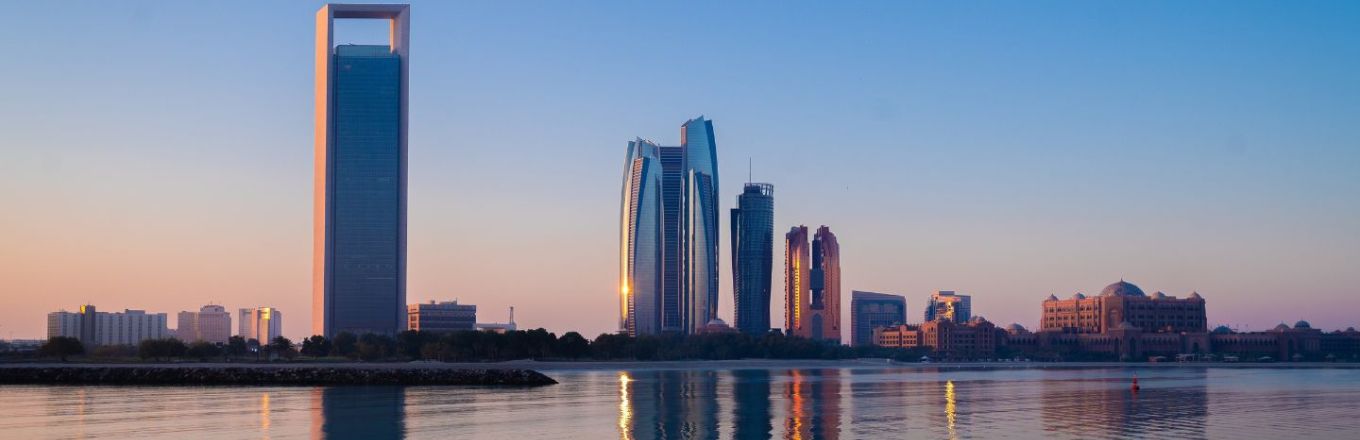
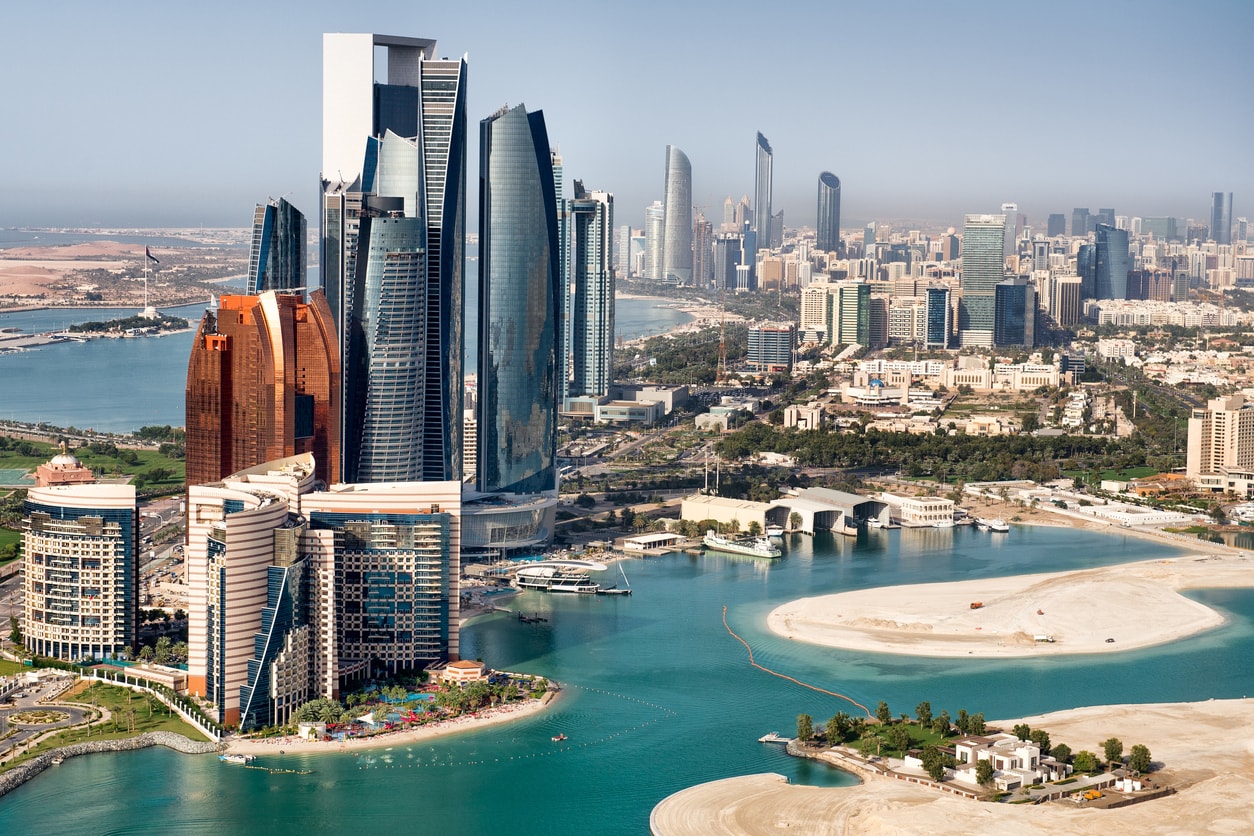
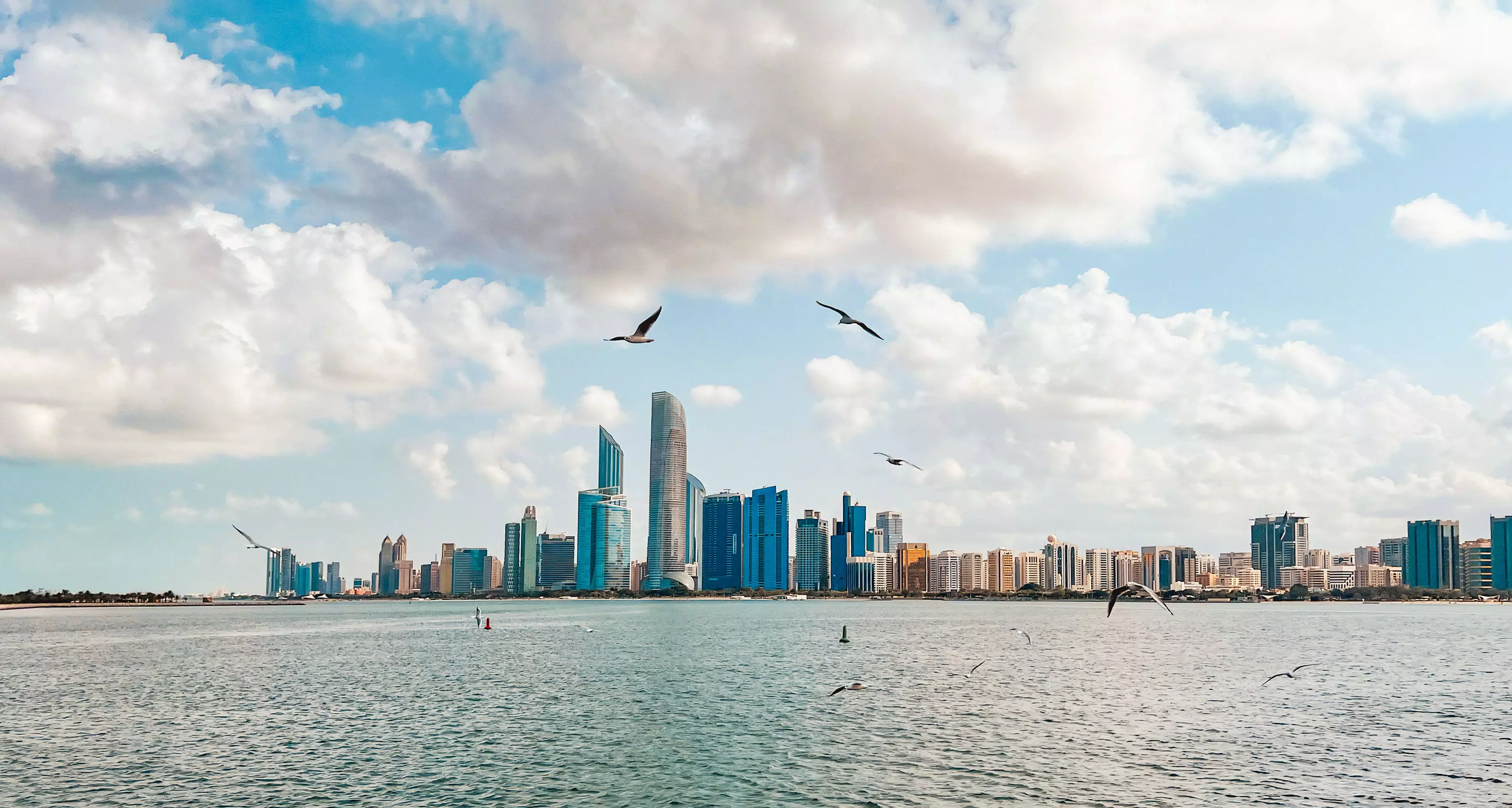
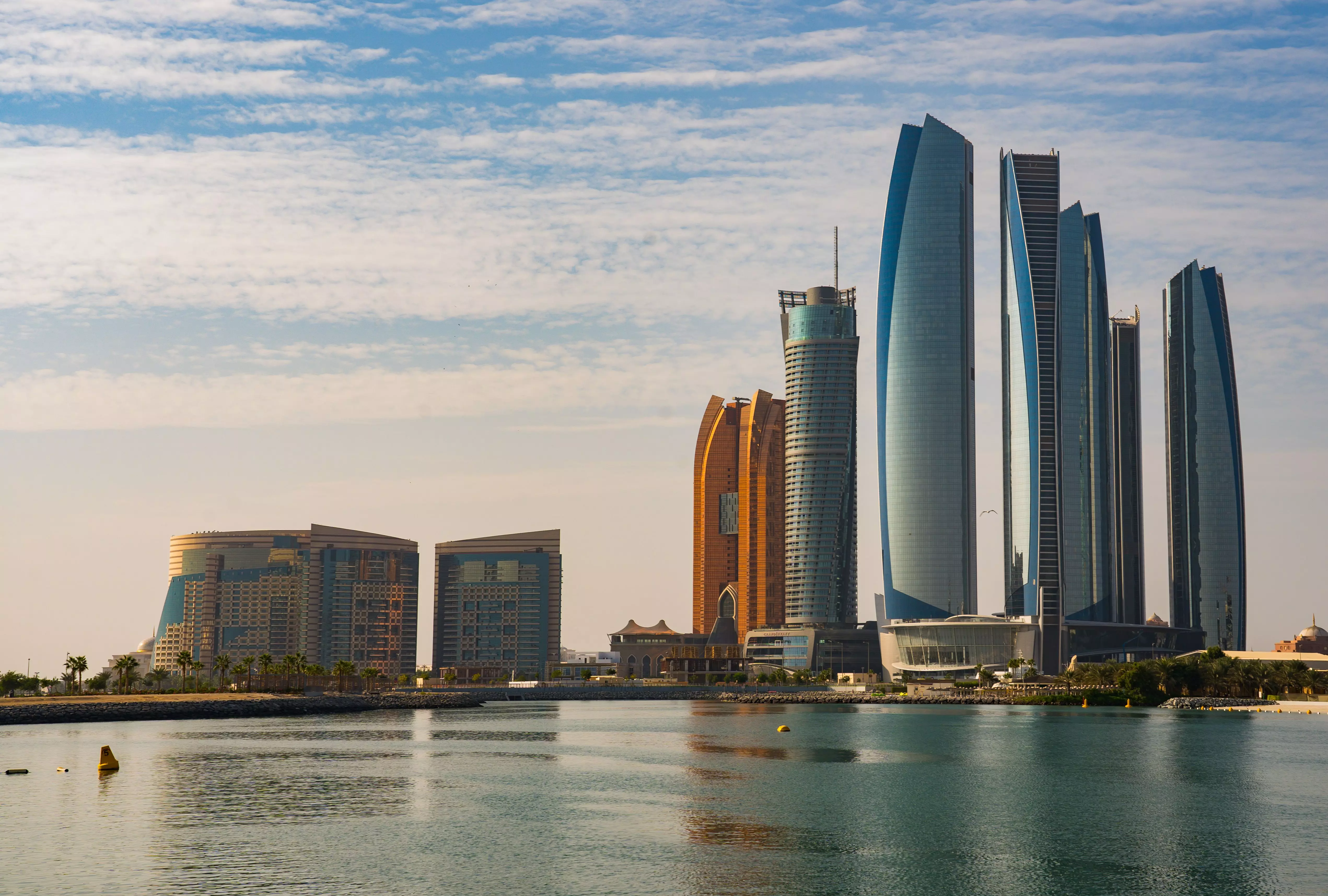
Abu Dhabi is the capital of the United Arab Emirates and the largest emirate in the country. This city is built on islands that are connected to the mainland by several bridges. It is known for its modern skyline, beaches, cultural landmarks, and desert surroundings.
From luxury waterfront communities to peaceful residential neighborhoods, Abu Dhabi offers different lifestyles for residents, families, and investors. This guide explains the city's main areas, property market, lifestyle, transport, schools, healthcare, and other important things to know before moving or investing here.
Abu Dhabi is a popular choice for families, working professionals, and property investors who are looking for a modern and comfortable lifestyle in the UAE. This city offers different types of homes, including apartments, villas, and townhouses, in central and peaceful residential areas.
The foreigners can easily own property in freehold areas such as Yas Island, Saadiyat Island, and Al Reem Island. Rental returns in many Abu Dhabi communities are usually between 5% and 8%, depending on the area and property.
The lifestyle in Abu Dhabi is modern, family-friendly, and centered on beaches, waterfront living, shopping malls, schools, and entertainment. Most residents rely on cars and taxis for daily travel, while public buses are also available in every community of this city.
Corniche Road is a 45-kilometer stretch along the Arabian Gulf that features sandy Corniche Beach, promenades, parks, bike paths, and high-rise apartments. It is the geographic and psychological center of the city for many residents. The area is well served by cultural landmarks and is in proximity to major schools and shopping destinations. It attracts professionals and families who want city access with waterfront views.

Al Reem Island is among the fastest-developing communities in Abu Dhabi city, known for modern residential towers, waterfront apartments, and sea views, and an energetic surrounding.
Young professionals and families who want a universal lifestyle with high connectivity to downtown prefer Reem Island the most. Reem Central Park, Reem Mall, schools, and clinics are all available on the island. The area recorded a 38% year-on-year increase in off-the-plan property prices in 2025.

Saadiyat Island is widely discussed as the most luxurious residential address in the emirate with beachfront villas, large plots, and an ecological planning ethos with protected beaches, coral reefs, and a few marine reserves.
Saadiyat Island is home to cultural landmarks such as the Louvre Abu Dhabi, while the Guggenheim Abu Dhabi and Zayed National Museum are expected to open in 2026. NYU Abu Dhabi is also located here. According to Knight Frank data, villas on Saadiyat recorded 28% year-on-year price growth.

Yas Island is built around entertainment, leisure, and modern residential communities. Yas Island has Ferrari World Abu Dhabi, Warner Bros. World, Yas Waterworld, Yas Marina Circuit, and Yas Mall. It has a strong school and clinic presence and is popular among expat families and corporate professionals. Yas Bay, on the island's eastern waterfront, has become a big dining and events hub.

Al Maryah Island functions as Abu Dhabi's central financial and lifestyle district, home to world class financial institutions, The Galleria mall, and a cluster of luxury hotels. It is a preferable option for professionals in higher corporate positions who want an easy work route along with standard civil services.

Al Raha Beach is a waterfront development offering apartments, villas, and townhouses near Abu Dhabi International Airport. It led the Abu Dhabi apartment market in H1 2025 with price growth of 11 percent year on year and posted the highest ROI among the top three luxury waterfront communities.

Khalifa City Abu Dhabi and Mohammed Bin Zayed City (MBZ) show the suburban layer of the city, large parks, big villas and townhouses, closeness to international schools, and a quieter pace than the waterfront islands. They are frequently cited by families seeking space over density.

Al Reef and Al Ghadeer are at the lower end of the market in terms of entry point, having villas, townhouses, and apartments at accessible levels. Al Ghadeer is located on the border of Abu Dhabi and Dubai, giving an easy route to both cities.

Masdar City is a purpose-built sustainable community within Abu Dhabi. All buildings are designed to reduce water and energy consumption, using recycled aluminum and low-carbon cement. It has a free zone, which makes investment there administratively simpler. It is a distinct lifestyle choice for environmentally oriented residents.
Studio and one-bedroom apartments are most common in Al Reem Island towers, MBZ City, and central Abu Dhabi. And two- and three-bedroom apartments are the core of the rental and resale market.
Townhouses are available in communities like Al Raha Gardens, Al Reef, and Yas Island. A middle point between apartment living and full villa ownership.
Villas are the premium type. Saadiyat Island, Yas Island, Al Raha Beach, and Khalifa City are the number one markets for villas. Their prices recorded a 42.3% uplift in the whole of Abu Dhabi.

Branded residences are increasingly common on Saadiyat Island, with developers partnering with hotel groups such as Four Seasons. This format combines residential ownership with hotel services.
Off-plan purchases are also widely available, particularly on Yas, Saadiyat, Al Reem, and Al Fahid Island, which is a newer waterfront destination situated between Yas and Saadiyat.
Interested foreign nationals can purchase only property in a few designated investment zones that are approved by the government of Abu Dhabi. Such zones are Yas Island, Saadiyat Island, Al Reem Island, Al Raha Beach, and Al Maryah Island, among others. Abu Dhabi recorded AED 142 billion in total real estate transactions in 2025, with residential sales reaching AED 76 billion.
The Abu Dhabi Department of Education and Knowledge (ADEK) is the official regulatory authority that oversees the entire private education of the emirate. It governs the licensing, quality assurance, and continuous development of nurseries, private schools, charter schools, and educational training providers. ADEK makes sure that the institutions follow the Ministry of Education's regulations and align themselves with Abu Dhabi's bigger vision for a knowledge-based economy.
For school-age children, international curricula available in Abu Dhabi include British, American, Indian (CBSE), IB, and Australian programs. Communities with strong school clusters include Saadiyat Island, Khalifa City, Al Raha Beach, and Yas Island. Al Yasmina Academy and Raha International School are frequently cited for Al Raha Gardens; the first UAE campus of King's College School Wimbledon is scheduled to open on Al Fahid Island in 2028.
At the university level, NYU Abu Dhabi on Saadiyat Island is one of the most recognized institutions. Khalifa University is an undergraduate medical school and engineering institution. The emirate has seen its healthcare workforce grow at roughly 10 percent annually since 2012, and the Department of Health has invested in a graduate medical education reform program that has been in place since 2010, focused on building a locally trained physician workforce.
The healthcare system of Abu Dhabi is under the Department of Health (DoH). And since 2011, the number of licensed healthcare facilities in Abu Dhabi under DoH has increased at a compound annual rate of around 9.3%, reaching 3,021 licensed facilities. Plus, the number of medical workers changed from 21,115 to 57,410 in 10 years.
Important hospitals and medical institutions include the Cleveland Clinic Abu Dhabi and NMC Royal Hospital. Cleveland Clinic Abu Dhabi holds accreditation from the ACGME-I and has residency and fellowship programs in internal medicine, surgery, cardiology, gastroenterology, radiology, and others. Sheikh Khalifa Medical City is part of the SEHA government healthcare network. Mayo Clinic and Imperial College London have also established clinical operations in the emirate.

Cleveland Clinic Abu Dhabi was the first organization in the UAE to receive provisional accreditation from the Accreditation Council for Continuing Medical Education (ACCME) and the first to be granted the American Medical Association's PRA Category 1 Credit designation. Public-private partnership models are now a structural feature of the sector. Health insurance is mandatory for residents, with employers typically providing coverage.
Abu Dhabi's retail environment is anchored by large, mixed-use mall complexes.
It is on Yas Island and has over 400 international luxury brands on 2.5 million square feet. And that includes 68 food and beverage outlets and a 20-screen cinema, too. It is positioned along the Yas Express route, connecting it to the island's major attractions.
Al Maryah Island is the emirate's flagship luxury retail destination, featuring brands such as Gucci, Chanel, Louis Vuitton, Balenciaga, Bottega Veneta, and numerous Abu Dhabi firsts in boutiques. It has a waterfront dining strip and a cinema.
It is in the Tourist Club Area (Al Zahiyah) and is one of the city's original shopping centers. It has over 200 stores, direct access from the Beach Rotana hotel, and serves bus routes 5, 7, 8, 9, 10, 11, 32, and 34 through the Abu Dhabi City Terminal.
It is a super-regional mall in the Al Wahda area, with a sunroof design and a multiple-level layout catering to both international and local brands.
It is in the Al Khalidiyah district, has over 160 stores, and an architecture that draws on traditional souk design.
It has more than 450 shops and is located close to the Abu Dhabi Tariff Al Ain highway, near Al Maqta Bridge and the airport.
It serves the eastern and central residential communities, respectively, functioning as community-scale destinations rather than destination retail.
It is near the Corniche Breakwater, has luxury brands including Louis Vuitton, Burberry, Tiffany & Co., Chanel, Prada, and Gucci, alongside a 9-screen VOX Cinema and a bowling alley. It sits near the marina waterfront, with outdoor dining terraces overlooking the gulf.
Abu Dhabi's dining scene covers more ground than most people expect. Casual Emirati spots, South Asian canteens, and internationally acclaimed fine dining restaurants all exist within the same city, sometimes within the same neighbourhood. The range is genuinely broad, broader than first-time visitors give it credit for.
Yas Bay has quietly become one of the more enjoyable evening destinations in the city. The waterfront setting helps. Outdoor seating, a live events calendar, and a mix of casual and sit-down restaurants make it a place people tend to return to, not just visit once.
Al Qana can be found near the National Aquarium, which is not far from the Grand Mosque. Al Qana has restaurants with walking paths along the long waterway. At Al Qana, you feel less crowded than in some of the island destinations, which we think is part of the appeal for residents who want a peaceful dinner out.
The Galleria's food corridor is where a lot of the city's more popular names are gathered. Zuma, Bentley Bistro, Almaz by Momo, Emporio Armani Caffé, the list is long. Foods are Japanese, Italian, and contemporary fusion. The corridor is a reliable area to find something worth eating, though reservations should be made ahead of time.
Marina Mall's waterfront terraces attract diners in the evening, particularly between October and April, when sitting outside actually feels pleasant. The Corniche promenade has a looser, more relaxed dining vibe, beach cafes, spots for families, and casual setups facing the Gulf.
Traditional Emirati food is available across the city, but the old areas feel more fitting for it somehow. Arabic coffee, dates, machboos, and harees are the dishes that appear on every Abu Dhabi city tour, and for good reason. The souks and older restaurants in these parts carry a different atmosphere entirely, and that is what makes them worth seeking out.
Abu Dhabi has a large number of internationally branded hotels for its residents. Rather than being in a central place, these hotels can be found throughout the island, on waterfront corridors and luxury islands.

Emirates Palace is probably the one hotel most people have heard of before arriving. Located on the Corniche Breakwater, it carries a weight that newer properties are still working to match. Operated by Mandarin Oriental, it remains the landmark ultra-luxury address of the emirate, the kind of place that feels worth seeing even if you are not staying in it.
Saadiyat Island has two well-known luxury hotels, but the Four Seasons is the most popular choice. It offers direct beach access, a peaceful atmosphere, and a prime location close to the Louvre Abu Dhabi, it's ideal for visitors who prefer a quieter stay away from the busy city center.
It is a luxury beach resort on Saadiyat Island in Abu Dhabi.
Unlike some bigger and busier hotels nearby, it feels calmer and more private. It’s not crowded or loud, so you get a more relaxed experience.
The hotel also has private villas and a beachfront location, which means you can stay closer to the sea and enjoy more open space.
Overall, it’s best for people who prefer peace, privacy, and space rather than a busy resort atmosphere with lots of activity.
Erth, in the Khor Al Maqta area near the Grand Mosque, has a positioning that feels genuinely different from the beachfront options. Culturally embedded is the phrase used often, and it fits. The connection to the Etizan Fitness complex, one of the largest in the city, adds something practical to what is otherwise a very atmospheric location.

Abu Dhabi mainly uses roads and buses for public transport. The city does not have a metro yet, but plans for it are already in progress.
Public buses are air-conditioned and run on hundreds of routes. As Dubai has the Nol Card, Abu Dhabi has the Hafilat card, a rechargeable smart card, which is required for public bus travel. The base fare is AED 2 per journey plus AED 0.05 per kilometer. Weekly and monthly passes are also available for AED 35 (weekly pass) and AED 95 (monthly pass). Hafilat cards can be purchased at any Abu Dhabi bus station, the airport, certain malls, and convenience stores. Most bus routes operate until around 11 PM or midnight.
Taxis are silver with a yellow roof light, government-regulated, and metered. They are widely available at malls, hotels, and major locations or bookable via the Abu Dhabi Taxi app or by calling 600 53 53 53. A lady’s taxi service with female drivers (identifiable by pink livery or signage) is also available by booking from the taxi center or at airport and mall stands.
Other options:
Abu Dhabi's outdoor life pulls in two directions, the coast and the desert, and both are genuinely worth exploring. Most residents settle into one or the other depending on preference, though the city makes both reasonably easy to get to.
The Corniche Beach is free to enter and runs along the main island, with separate sections for families, couples, and singles. The promenade cycling and running track gets used heavily between October and April, which is the best time to see the city at its most active outdoors.
Al Hudayriat Island has taken over as the capital's primary recreational island, with cycling tracks, beaches, and sports courts that feel a bit more spread out than the Corniche.
Near Al Rawdah, Zayed Sports City Stadium is a major fixture for sports events in the emirate. Football matches, athletics, and large-scale events are held here regularly. For residents who follow sports seriously, it is probably one of the most visited outdoor venues in the city.
Ferrari World on Yas Island sits alongside the Marina Circuit, and together they give the island a particular energy that other parts of the city do not quite replicate. The circuit offers driving and cycling experiences outside of race weekends. We think it is the kind of place that impresses visitors more than residents expect it to, honestly.
The desert starts closer to the city than most people realize. Dune driving, sandboarding, camel trekking, and falconry are all available through various operators, and the Al Dhafra region in the west has access to the Rub' al Khali, the Empty Quarter, which is the world's largest continuous sand desert. It is hard to fully describe what that landscape looks like until you experience it by yourself.
The Eastern Mangrove Lagoon offers kayaking through a protected coastal ecosystem that feels surprisingly removed from the city around it. Several operators run tours here. It is not the first activity people think of when they picture Abu Dhabi, but it tends to be the one they remember most fondly.
Located at Al Qana, the National Aquarium holds over 46,000 animals and is the largest in the region. It works well for families, though it draws a broader crowd than just children. The surrounding Al Qana development adds walking paths and restaurants to the visit, which makes for a longer outing than the aquarium alone might suggest.
Abu Dhabi now has many fitness options, from large gyms to smaller fitness studios.
Other Options:
Padel is now a popular sport in the city, with courts at multiple wellness clubs, including Matcha Club at Al Bateen Beach, which also has an infinity pool, yoga and Pilates space, and a private beach area.
A major new development, Oxygen Sports Garden, is planned near the Western Mangrove Canal, spanning over 118,000 square meters. It will include a men's club, a ladies' club, an outdoor coastal sports zone, and luxury dining components. It is being developed by Oxygen Gym in partnership with Scaffold Group and will open in phases.
Abu Dhabi has a well-developed beauty services sector. Spas are available within the major hotels; the Valmont Spa at Erth, which overlooks the Khor Al Maqta waterfront, represents the luxury end of the segment, offering Swiss skincare-based treatments. Hammam experiences, traditional steam and body scrub treatments, are available at multiple wellness centers across the city.
Fit n Glam, which has an existing location at Reem Mall, integrates a full studio fitness offer, Pilates, dance, and strength, with an on-site salon, sauna, and activewear retail concept. A second location is planned for Yas Mall. Lifeline Gym is a healthcare-oriented club where spa and salon services are available alongside conventional gym access. The Warehouse Gym's women-only location at Yas Bay includes private recovery suites with infrared saunas and ice baths.
Standard beauty services, hair, nail, and skin treatments, are widely seen on the Abu Dhabi city map. There are many salons serving all types of people. The Magio network, with a location in Mushrif, has received consistent attention for its hair treatment programs.

Abu Dhabi is home to people from over 200 nationalities, which sounds like a statistic until you actually live here and notice how many different communities quietly coexist. The city ranks consistently among the lowest-crime major cities in the world. The legal and social environment is structured and rule-based, more so than many expatriates are used to.
Islamic traditions and Emirati cultural values shape the public sphere in visible ways: dress codes apply in certain government and public spaces, and during Ramadan, commercial hours shift in ways that take some adjustment to get used to.
The cooler months, October through April, are when the city genuinely opens up. Outdoor dining, cycling, beach visits, and evening walks along the Corniche. It is a different place entirely during those months. Then, June through September arrive, and most outdoor life moves indoors without much discussion.
The heat is extreme, and we think underestimated by people who have not experienced it. But the city has invested heavily in air-conditioned public spaces, indoor entertainment, and waterfront dining specifically to accommodate that reality, so daily life continues more smoothly than the temperatures might suggest.
The Abu Dhabi Shopping Festival runs during the cooler period and brings discounts and entertainment programs across the major malls. Beyond retail, the cultural calendar carries some weight. Louvre Abu Dhabi, Manarat Al Saadiyat, and the ADNEC convention center host exhibitions, performances, and conferences throughout the year. It is not a city that sits still, culturally speaking, though perhaps the events scene is still growing into itself in certain areas.
For expatriate professionals, the absence of personal income tax remains one of the more quietly significant aspects of life here. No capital gains tax and no inheritance tax either. It does not come up in every conversation, but it shapes financial decisions in ways that compound over time. Combined with the structured environment and general quality of infrastructure, it is probably one of the reasons people who come for two years end up staying considerably longer than they planned to.
Safety, tax-free income, and year-round sunshine make Abu Dhabi genuinely appealing. The infrastructure is excellent: healthcare, schools, and malls are all within reach. What surprises most newcomers is how livable it feels day to day. World-class hospitals, diverse dining, and clean beaches are things residents take for granted too quickly.
The summer heat is brutal, honestly limiting outdoor life for months. And while the city is safe and polished, it can feel a little sterile sometimes, structured in ways that leave less room to wander or stumble onto something unexpected. Public transport exists, but most residents remain car-dependent.
Can foreigners buy property in Abu Dhabi legally and freely?
Foreigners can buy in designated investment zones like Yas Island, Saadiyat, Al Reem, and Al Raha Beach. Outside those areas, ownership gets complicated. We think most expat buyers find enough options within the approved zones to not really feel restricted.
What is the best area in Abu Dhabi to live in?
Honestly, it depends on what matters to you. Families sometimes choose Khalifa City or Saadiyat for the space and schools. Young professionals often prefer Al Reem Island because of its modern lifestyle and proximity to downtown. There is no single best answer, just the best fit for your situation.
Is Abu Dhabi an expensive city to actually live in?
It can be, particularly for housing and schooling. But the tax-free salary structure offsets quite a bit of that. Groceries and dining vary widely; you can spend very little or quite a lot, depending on the habits you bring with you.
Unlock an Exclusive Deal!

New Units for Sale Coming Soon
Find your dream property for Sale with expert guidance and personalized support
Consultation with Our Expert
We will call you back within an hour and also send you additional information by emailUnlock an Exclusive Deal