
Explore Guide in Dubai City
Area Snapshot
Dubai is one of the seven emirates of the United Arab Emirates, famous for its record-breaking skyscrapers, investor-friendly policies, and tax-free environment. Built on the eastern coast of the Arabian Peninsula, it has grown from a modest pearl-diving village in the 18th century into a major global hub for commerce, tourism, and innovation. The late Sheikh Rashid bin Saeed Al Maktoum's visionary strategy in the 1960s—using oil revenue to diversify into trade, infrastructure, and tourism—laid the foundation for the city's transformation. Today, Dubai attracts property buyers from across the world, offering freehold zones for foreign investors, world-class infrastructure, and high rental yields. It has a hot desert climate with extremely hot, humid summers often exceeding 40°C (104°F).
What You Get Here
Dubai's residential communities cater to every lifestyle, from exclusive waterfront villas to modern high-rise apartments and family-friendly suburban homes. Popular areas include:
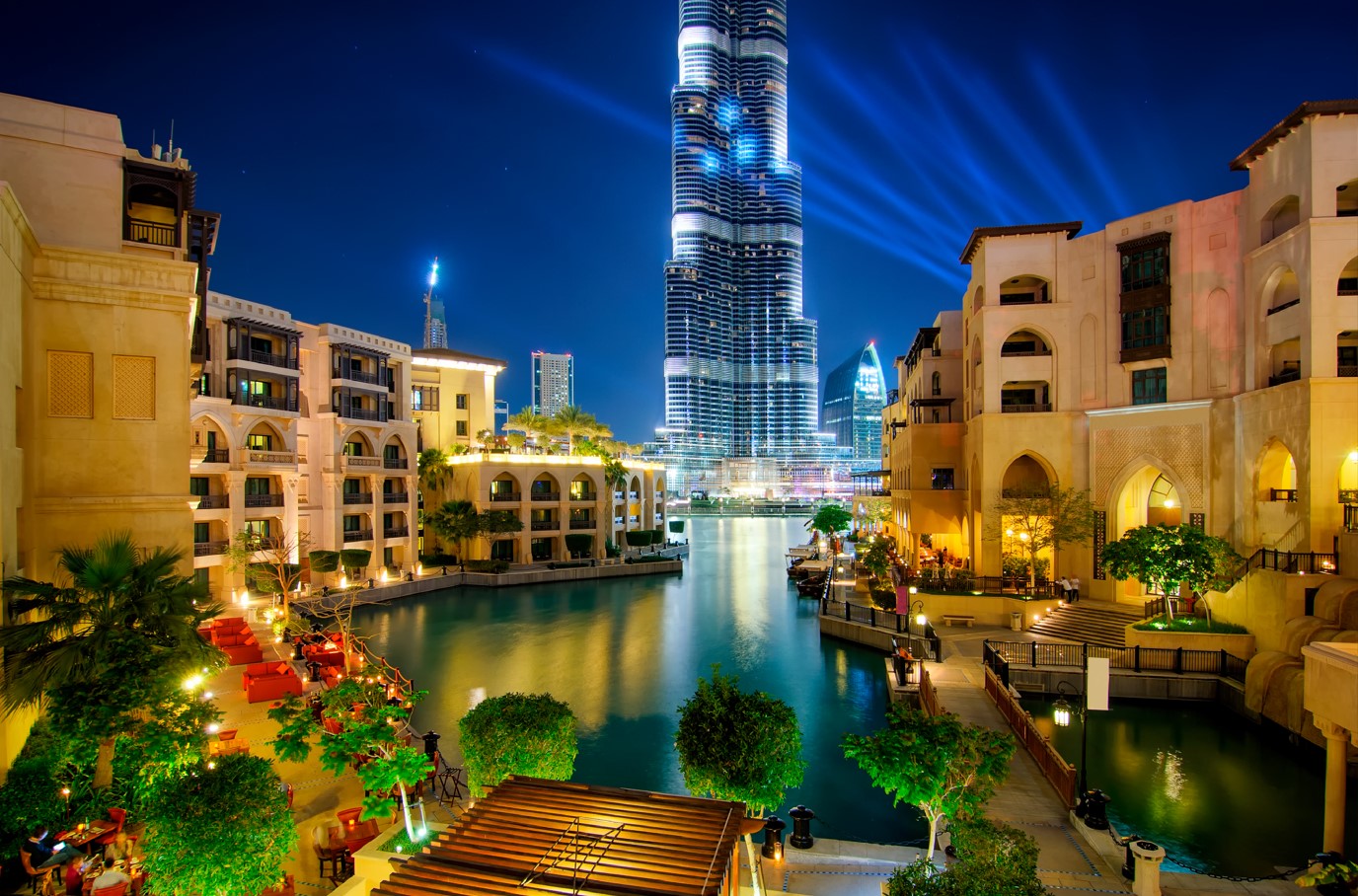
- Downtown Dubai: Home to Burj Khalifa and Dubai Mall, ideal for luxury urban living.
- Dubai Marina: A waterfront community with skyscrapers, restaurants, and nightlife.
- Palm Jumeirah: Iconic island offering beachfront villas and high-end apartments.
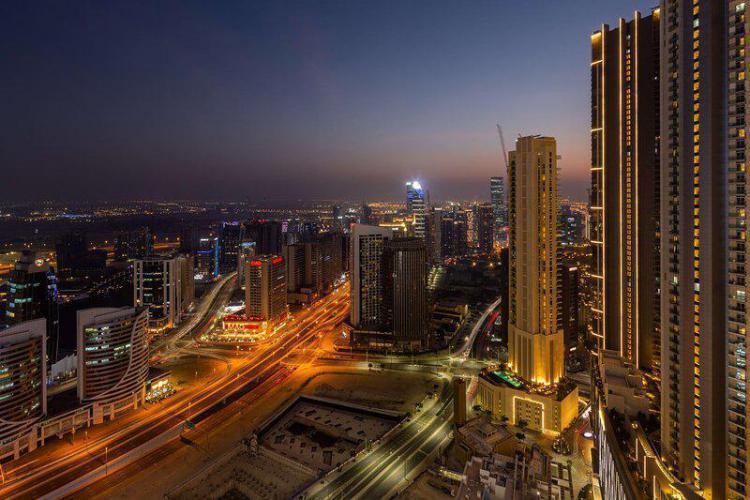
- Business Bay: Central location with modern residential towers and commercial access.
- Arabian Ranches & Dubai Hills Estate: Peaceful gated communities perfect for families.
- Jumeirah Village Circle (JVC): Affordable apartments and townhouses attracting investors and young professionals.
Most developments include swimming pools, gyms, landscaped parks, golf courses, cycling tracks, and kids' play zones—making them ideal for families and professionals. Communities such as Jumeirah Beach Residence (JBR), Dubai Hills Park, and Al Qudra Cycling Track offer easy access to outdoor recreation. These communities provide a range of property prices, amenities, and investment returns, making Dubai's real estate market both diverse and competitive.

The People & Community
Dubai's population is highly diverse, with expatriates making up a large portion of residents. Families, young professionals, and international investors are drawn to the city for its safety, quality of life, and economic stability. Communities like Dubai Hills, The Springs, and Jumeirah are particularly appealing to families relocating with children, thanks to nearby schools and parks. The mix of cultures creates a dynamic, welcoming environment where residents enjoy access to international cuisines, festivals, and social activities. This multicultural fabric also supports long-term rental demand, benefiting property investors.
Daily Convenience
Dubai is a shopper's paradise, offering massive malls and boutique retail centers near major residential communities:
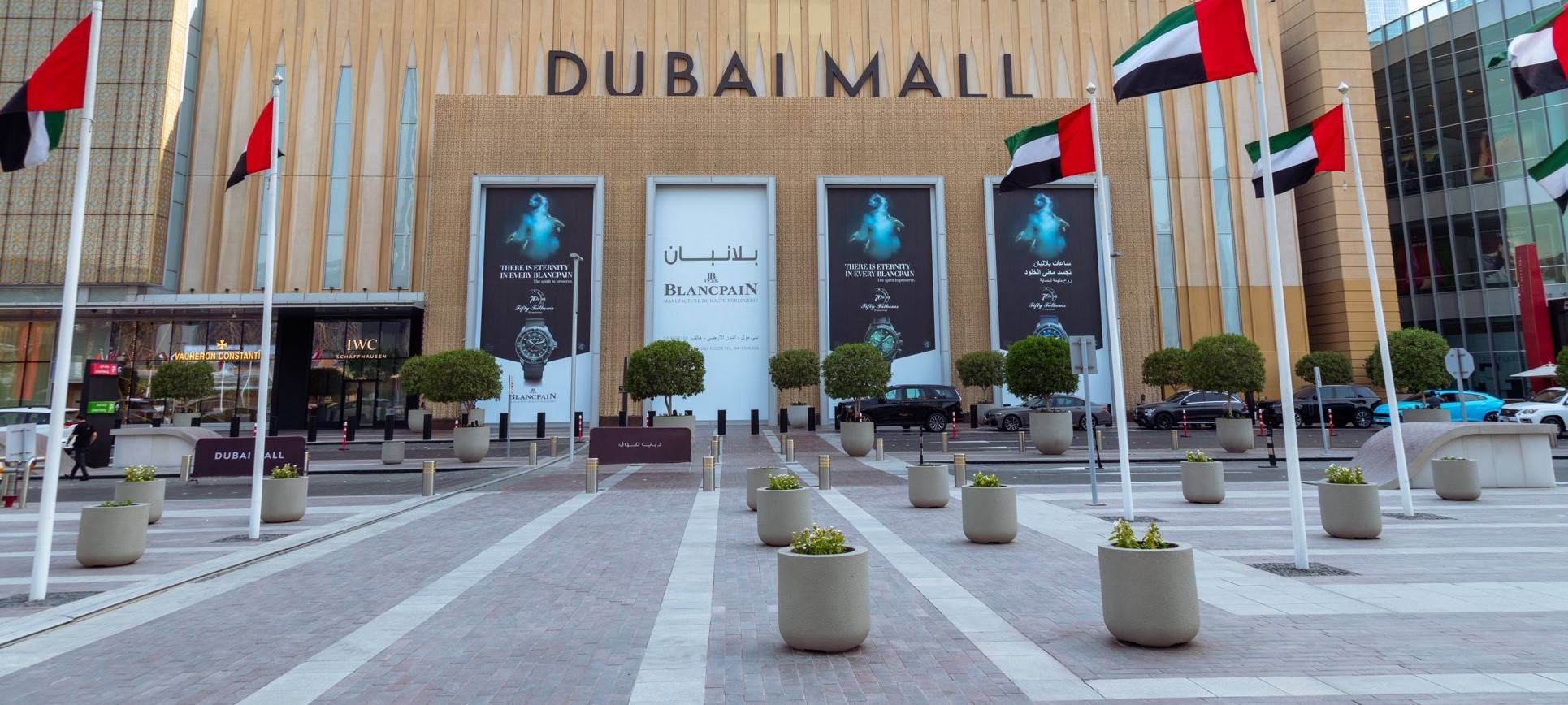
- The Dubai Mall (Downtown Dubai)
- Mall of the Emirates (Al Barsha)
- Ibn Battuta Mall (Jebel Ali)
- Dubai Marina Mall (Dubai Marina)
High-end dining and international cuisines are integrated into these shopping destinations, making them lifestyle hubs. Luxury spas, salons, and wellness centers are available across the city—from Talise Spa in Madinat Jumeirah to boutique salons in Downtown and Dubai Marina. State-of-the-art gyms and fitness centers are integrated within most residential towers and communities, including Fitness First, GymNation, and The Warehouse Gym, located across popular districts like Business Bay, Marina, and Al Quoz.
Schools & Medical Access
Schools
Dubai's education system is among the best in the region, with a wide range of international schools following British, American, and IB curricula. Examples near major communities include:
- Dubai International Academy (Emirates Hills)
- GEMS Wellington International School (Al Sufouh)
- Dubai British School (Jumeirah Park)
- Kings' School Dubai (Umm Suqeim)
These schools make communities like Dubai Hills, The Springs, and Jumeirah particularly appealing to families relocating with children.
Medical Access
Dubai provides world-class medical services through a mix of government and private hospitals. Nearby examples include:
- Mediclinic Parkview Hospital (Al Barsha South)
- American Hospital Dubai (Oud Metha)
- Saudi German Hospital (Al Barsha)
- King's College Hospital (Dubai Hills Estate)
Easy access to healthcare facilities enhances the value and livability of residential areas across the city.
Getting In and Out
Dubai boasts one of the most efficient transport systems in the Middle East, including the Dubai Metro, RTA buses, taxis, and water transport. Major roads such as Sheikh Zayed Road and Al Khail Road ensure excellent connectivity between business hubs, residential communities, and Dubai International Airport. Upcoming infrastructure developments like Dubai Metro Blue Line and Etihad Rail are expected to further enhance property values across the emirate. This connectivity makes commuting easy for professionals and ensures seamless access to leisure destinations.
Lifestyle Pros & Trade-offs
Dubai offers a tax-free environment, safety, and high rental yields, making it a top destination for property investment. Proximity to five-star hotels and resorts adds prestige and increases property demand in nearby residential communities. Examples include:
- Armani Hotel Dubai (Downtown)
- Atlantis The Royal & Atlantis the Palm (Palm Jumeirah)
- Address Dubai Marina (Dubai Marina)
- Jumeirah Al Naseem (Madinat Jumeirah)
However, summers are extremely hot and humid, which can limit outdoor activities during peak months. The city's desert climate requires air conditioning year-round, which can increase utility costs. For those who prioritize convenience, walkability, and year-round outdoor access, it's important to choose communities with covered walkways and ample indoor amenities.

Where It's Heading
Dubai continues to lead in urban innovation and sustainability. Future mega-projects such as Dubai Creek Harbour, Dubai South, and Expo City Dubai are designed as self-sufficient smart cities. With the introduction of green buildings, renewable energy, and futuristic infrastructure, these developments promise long-term appreciation and investment stability. Government initiatives such as Golden Visa and long-term residency programs, along with population growth and continued infrastructure expansion, drive Dubai's real estate growth.
FAQs
Q: Why buy property in Dubai?
A: Dubai offers a tax-free environment, world-class infrastructure, safety, and high rental yields. It also allows 100% foreign ownership in designated freehold zones.
Q: Which areas are best for investment?
A: Dubai Marina, Downtown Dubai, JVC, Business Bay, and Dubai Hills Estate are among the top-performing areas with strong ROI potential.
Q: Can foreigners buy property in Dubai?
A: Yes, expatriates and international investors can buy freehold properties in approved areas across Dubai.
Q: What are the average property prices?
A: Apartment prices start around AED 900,000, while villas range from AED 2 million upwards, depending on the area and type.
Q: What drives Dubai's real estate growth?
A: A stable economy, population growth, government initiatives (such as Golden Visa and long-term residency), and continued infrastructure expansion.