

Expo City Dubai sprawls across 438 hectares of purpose-designed space in Dubai South, just off E311 and E77. What began as Expo 2020—a global showcase drawing 24 million visitors between October 2021 and March 2022—has since transformed into a permanent, integrated urban district. The site is now home to three distinct residential neighborhoods: Expo Village, Jubilee District, and Sustainability District. Each serves a different demographic—young professionals seeking affordable connectivity, families craving green space, and eco-conscious tenants prioritizing smart tech.
The layout prioritizes walkability, with wide pedestrian paths, cycle lanes, and abundant landscaping. Two Metro Red Line stations (Expo 2020 and Route 2020) anchor public transit access, while Sheikh Mohammed Bin Zayed Road places Downtown Dubai 30 minutes away and Abu Dhabi 50 minutes out. Unlike legacy neighborhoods, Expo City avoids dense verticality; mid-rise buildings and open plazas give it a campus-like feel. That spaciousness appeals to families but means amenity density is lower than in established corridors like JBR or Dubai Marina.
Expo Village offers the widest housing choice: studios, one-, two-, and three-bedroom apartments, many fully furnished and managed as serviced units. Unit sizes lean practical rather than palatial—ideal for first-time tenants or remote workers who value affordability over square footage. Jubilee and Sustainability districts add family-sized configurations with balconies overlooking parkland. Build quality reflects global-standard construction (many pavilions repurposed post-Expo), though finishes remain simple and functional rather than premium.
Two flagship parks define outdoor life. Jubilee Park anchors the district's social calendar with shaded jogging trails, children's playgrounds, and event lawns that host cultural festivals and weekend markets. Al Forsan Park complements this with dedicated sports courts for basketball, tennis, and volleyball, plus outdoor fitness equipment and open fields. Both parks embed misting systems and native planting to counter summer heat, making year-round use feasible. Running and cycling paths link residential clusters, and outdoor gym zones in both parks support group boot camps and yoga sessions organized by community management.
Onsite retail remains limited to cafés, convenience stores, and pop-up food trucks inherited from the Expo legacy. For broader shopping, residents drive 20 minutes to Ibn Battuta Mall or Dubai Outlet Village; Dubai South Mall is planned but not yet operational. Supermarkets cover daily groceries, and weekend farmer's markets occasionally set up in Jubilee Park. The dining scene skews casual—expect grab-and-go options rather than destination restaurants. Families who cook at home and prefer parks over malls adapt easily; those wanting walkable retail variety will feel the gap.

Expo City attracts a predictable tenant mix: young couples and families priced out of central Dubai, remote workers seeking green surroundings, and professionals employed in Dubai South, JAFZA, or Abu Dhabi who prioritize reverse-commute ease. The Sustainability District draws a niche subset—early adopters interested in smart-home integration, solar panels, and electric-vehicle charging. Expat families from Europe, North America, and South Asia dominate, though Emirati nationals are present in Jubilee District's villa-style blocks.
Community life centers on organized events—outdoor movie nights, cultural festivals, and weekend sports leagues managed by Expo City's central authority. Social interaction is higher than in transient apartment towers but lower than in villa compounds with dedicated clubhouses. Tenant turnover is moderate; the district's newness means long-term retention data is still forming. Families with school-age children tend to stay longer, while young professionals treat it as a stepping stone before upgrading to Marina or Downtown.
Day-to-day errands stay manageable. HealthHub Clinic and Pharmacy handles routine medical needs onsite, while Mediclinic City Hospital provides full emergency and specialist care a short drive away. Grocery runs rely on Spinneys and Carrefour outposts in nearby Dubai South, supplemented by minimarkets within Expo Village. Barbershops, nail salons, and personal-care studios occupy ground-floor retail; for specialized dermatology or cosmetic treatments, residents book appointments in Jumeirah or DIFC.
Mobile beauty services have gained traction—on-demand hairdressers and massage therapists visit apartments by appointment, a workaround for the district's sparse salon footprint. Parcel lockers and coworking lounges dot residential lobbies, supporting hybrid work schedules. Pet grooming and veterinary clinics operate within 10 minutes' drive in Dubai South. The setup works for those who batch errands and don't mind a 15-minute drive for specialty shopping, but tenants accustomed to five-minute walks to every service will notice the trade-off.
Expo City itself lacks onsite K-12 schools, so families commute to Dubai South campuses:
HealthHub Clinic and Pharmacy covers vaccinations, flu shots, and minor injuries. For anything beyond primary care—specialist consultations, diagnostics, surgery—residents use Mediclinic City Hospital or facilities in Dubai Healthcare City, both reachable in 20–25 minutes. Emergency response times are solid thanks to direct highway access and dedicated ambulance routes. Families with chronic conditions or special-needs dependents should factor in the 20-minute buffer for hospital visits, a consideration less relevant in denser neighborhoods where tertiary hospitals sit next door.
Expo City's transport infrastructure balances private and public options. The Expo 2020 Metro Station on the Red Line delivers a 40-minute ride to Downtown Dubai and seamless onward connections to Marina, JBR, and Dubai Airport. Morning peak trains fill quickly, but off-peak service is comfortable. For car owners, Sheikh Mohammed Bin Zayed Road (E311) and Expo Road (E77) provide 30-minute access to Downtown and 50 minutes to Abu Dhabi, assuming typical traffic. Rush-hour congestion on E311 can stretch Downtown commutes to 45 minutes, though the reverse flow toward Abu Dhabi stays smoother.
Taxis and ride-hailing apps operate reliably, with fares to Marina averaging AED 70–90. Internal shuttles loop between residential clusters and the Metro station, reducing parking demand. Cycling is genuinely viable for short trips—dedicated lanes run between Expo Village, Jubilee Park, and retail zones. The setup rewards reverse commuters and hybrid workers; daily drives into central Dubai will test patience during peak windows. Proximity to Al Maktoum International Airport (10 minutes) is a future-looking advantage as that facility scales up, though for now, Dubai International remains the default hub, 45 minutes away.
Green space defines the lifestyle upside. Jubilee and Al Forsan parks deliver genuine outdoor time without leaving the district—rare in Dubai's apartment-heavy zones. Families with young children gain safe cycling paths, playgrounds with shade, and weekend event programming. Affordability is another anchor; rental rates undercut Marina and Downtown by 20–30 percent, allowing larger units for the same budget. Sustainability District residents enjoy smart-home features, solar integration, and EV-charging infrastructure embedded at the design stage. The community's newness means modern fittings, reliable utilities, and no legacy maintenance backlogs.
Retail and dining variety lags behind mature neighborhoods. The absence of a major mall or diverse restaurant row means residents drive for weekend entertainment. Social infrastructure is still forming—no dedicated clubhouses, limited co-working hubs, and a smaller expat network compared to established compounds. Tenants who thrive on walkable nightlife or impromptu café culture will find the district too quiet. School choice is narrower than in Jumeirah or Arabian Ranches, and the 20-minute hospital buffer matters for families with ongoing medical needs. Heat during summer months—despite parks—remains challenging; outdoor activity concentrates in mornings and evenings.

Expo City Dubai anchors a section of the Dubai 2040 Urban Master Plan, positioning it as a testbed for green, tech-driven urbanism. Planned expansions include additional residential phases in Sustainability District, university campuses tied to innovation hubs, and expanded coworking spaces targeting startups in AI, cleantech, and biotech. Dubai South Mall is slated for completion within two years, addressing the retail gap. Long-term ambitions include light rail extensions linking Expo City to Jebel Ali Port and deeper integration with Al Maktoum International Airport, which will eventually supersede Dubai International as the emirate's primary aviation gateway.
The district's value proposition hinges on these catalysts. Early tenants gain first-mover positioning in a zone likely to see rental growth as infrastructure matures, though near-term appreciation will trail hotspots like Dubai Hills or Business Bay. The sustainability focus attracts ESG-conscious corporates considering regional headquarters, which could tighten commercial occupancy and, by extension, residential demand. Families betting on a five-year horizon should see lifestyle quality improve as amenities density catches up; short-term renters looking for immediate walkability may find better fits elsewhere.
Q. Is Expo City Dubai open to the public?
A. Yes. The district operates as a fully accessible mixed-use community. Museums, parks, exhibitions, offices, and residential buildings are open, with no restricted-access policies. Visitors can explore Jubilee Park, attend events, or dine at onsite cafés without residency requirements.
Q. What is Expo City Dubai used for now?
A. It functions as a permanent smart city encompassing residential neighborhoods (Expo Village, Jubilee District, Sustainability District), business and innovation hubs, museums, cultural venues, and public parks. The Expo legacy infrastructure now supports long-term living, working, and learning rather than a temporary event footprint.
Q. Is it a good place to live?
A. For families seeking green space, lower density, and affordability, yes. Professionals working in Dubai South, JAFZA, or commuting to Abu Dhabi benefit from reverse-traffic flows. Tech-focused individuals and sustainability advocates fit naturally into the Sustainability District. Tenants who prioritize walkable nightlife, dense retail, or central Dubai's immediate energy will find it too quiet.
Q. What housing options are available?
A. Expo Village offers studios, one-, two-, and three-bedroom apartments, available furnished or unfurnished. Many units are managed as serviced properties with maintenance included. Jubilee and Sustainability districts add family-oriented layouts with balconies and park views. Rental terms are flexible, with six- and twelve-month leases common.
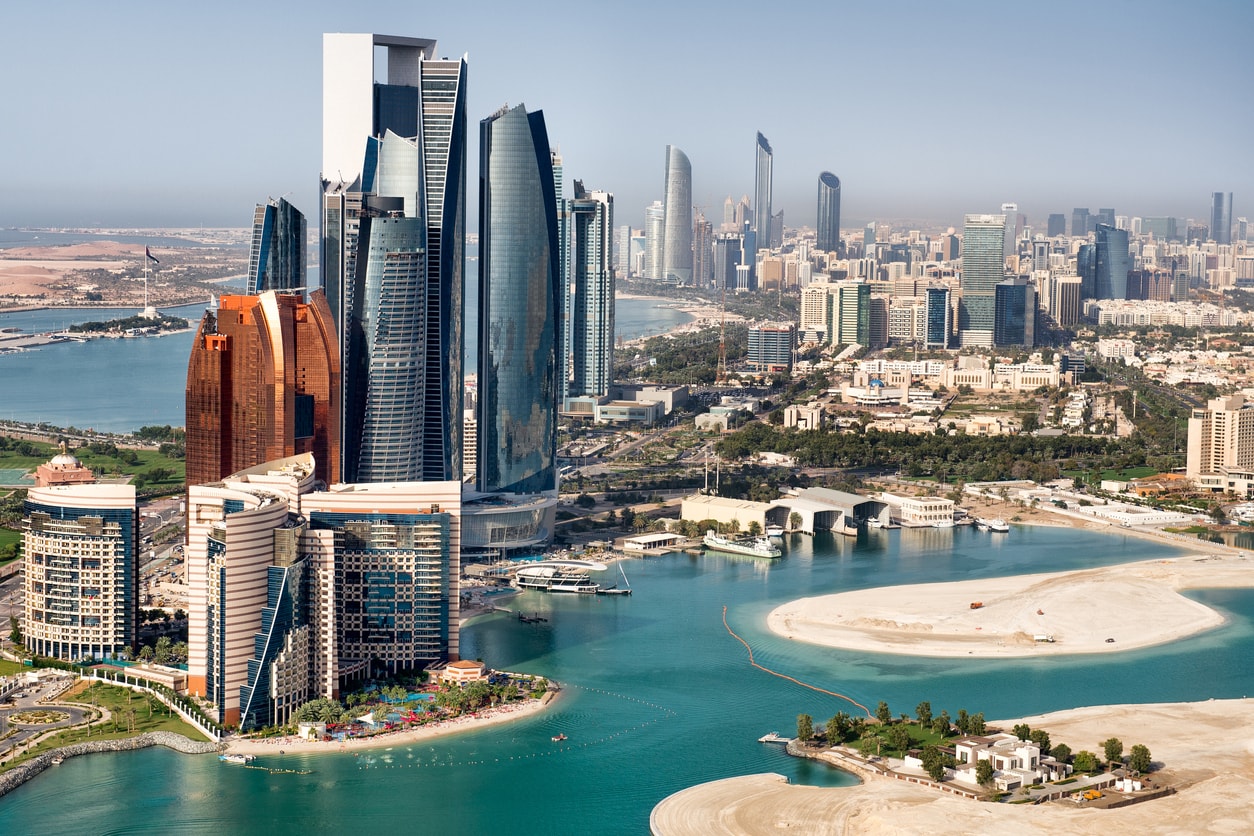
Abu Dhabi is the capital of the United Arab Emirates and the largest of the seven emirates by area. The emirate combines modern urban development with coastal landscapes, beaches, islands, cultural attractions, and heritage areas. Abu Dhabi is an archipelago made up of more than 200 islands and is divided into three main regions: Abu Dhabi City and its surrounding areas, Al Ain, and Al Dhafra.
Know More
Dubai is one of the UAE’s most prominent destinations for families, working professionals, entrepreneurs, and property investors looking for a modern and highly connected lifestyle. The city offers a wide range of residential options, including apartments, villas, townhouses, branded residences, and off-plan properties across established and emerging communities.
Know More
Sharjah areas offer a diverse range of residential neighborhoods, established districts, modern residential communities, and coastal destinations across the United Arab Emirates (UAE). Whether you are planning to move, looking for a property, or exploring the emirate, understanding the different areas in Sharjah can help you compare locations and identify the right community for your needs. From waterfront neighborhoods such as Al Majaz and Al Khan to residential areas such as Al Nahda, Al Taawun, and Muwaileh, Sharjah offers a variety of housing options, lifestyle facilities, and everyday amenities. Modern developments, including Aljada and Al Zahia, provide additional residential choices, while communities such as Al Rahmaniya appeal to households looking for suburban living. Some Sharjah areas offer convenient access to major roads connecting the emirate with Dubai, while others are better suited to residents who prioritize schools, community facilities, coastal surroundings, or quieter residential environments.
Know More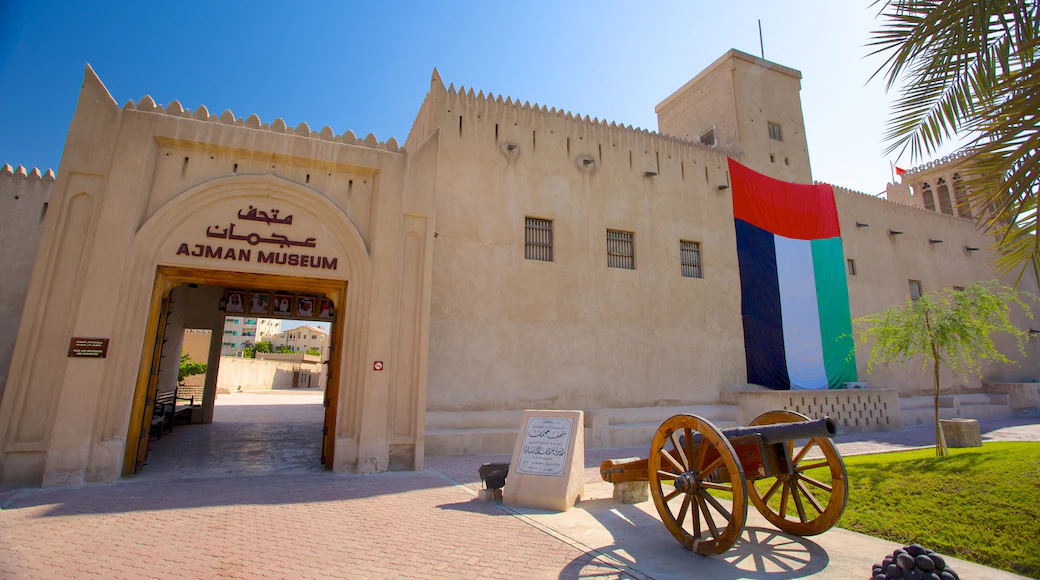
Ajman is one of the seven emirates of the United Arab Emirates and is known for its coastal lifestyle, residential communities, cultural heritage, and growing real estate market. The emirate is located along the Arabian Gulf and is geographically positioned between Sharjah and Umm Al Quwain. Ajman consists of Ajman City, Masfout, and Manama, offering a combination of urban, coastal, agricultural, and mountainous environments.
Know More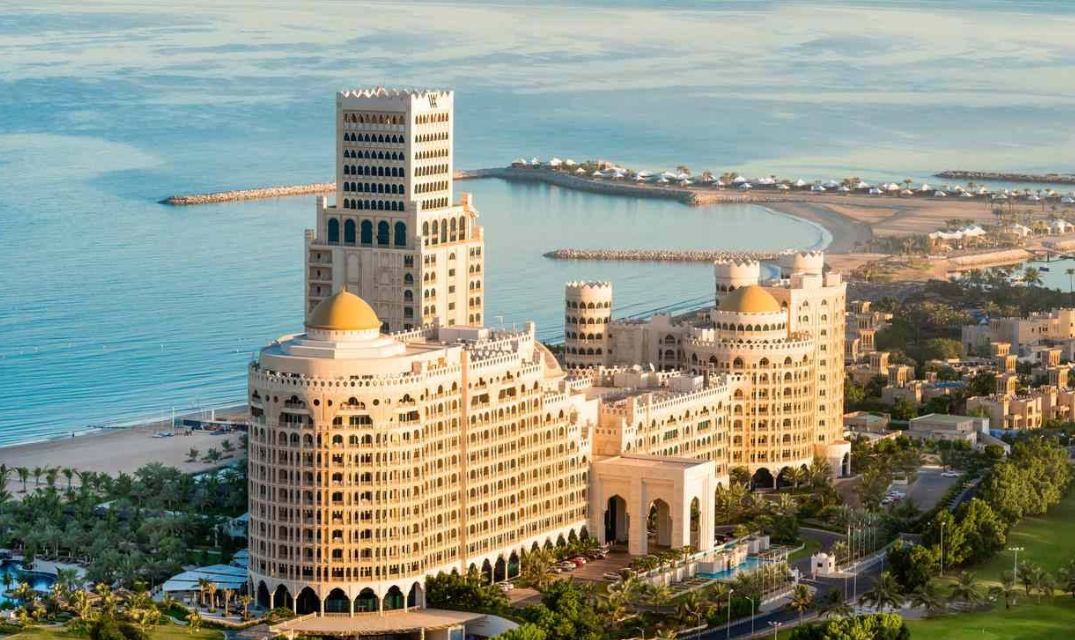
Ras Al Khaimah is one of the seven emirates of the United Arab Emirates and the northernmost emirate in the country. It is known for its diverse landscape, combining beaches, mountains, deserts, mangroves, and historic areas. The emirate has around 64 kilometres of coastline and is home to Jebel Jais, the highest mountain in the UAE.
Know More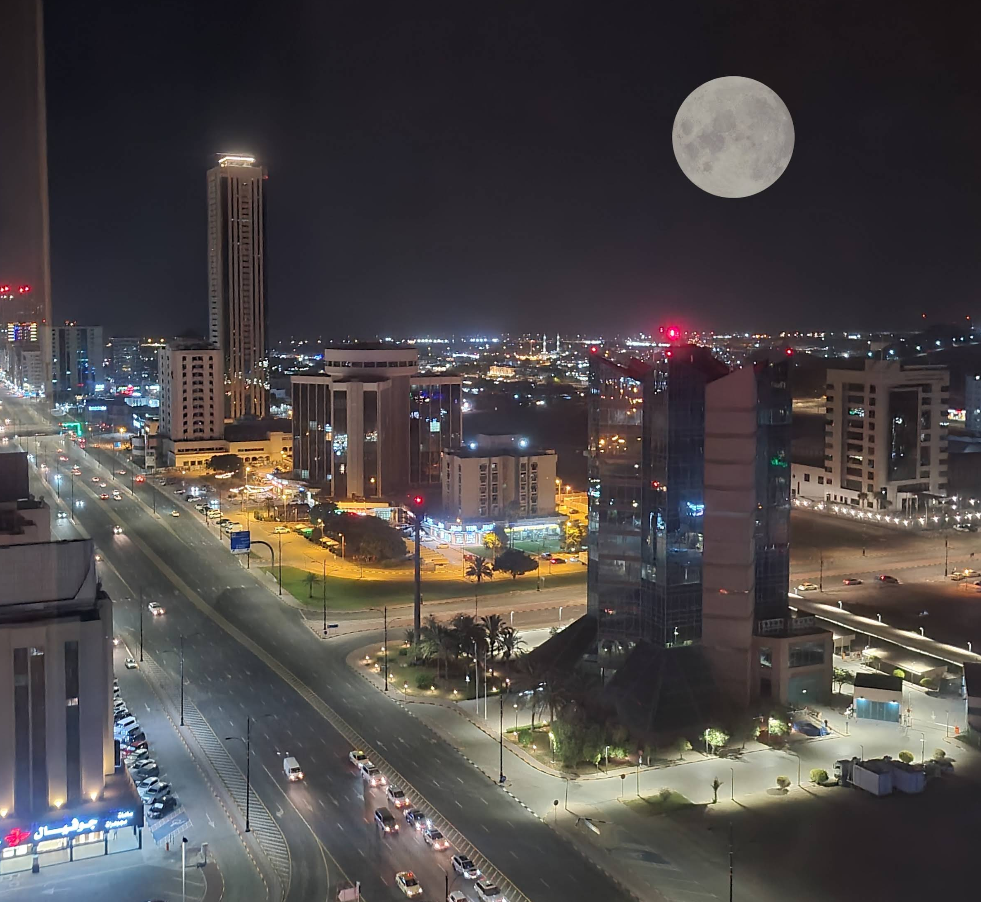
Fujairah is one of the seven emirates of the United Arab Emirates and is located on the UAE’s eastern coast along the Gulf of Oman. The emirate is known for its mountains, beaches, natural landscapes, and coastal communities.
Know More
Umm Al Quwain is one of the seven emirates of the United Arab Emirates. Located along the Arabian Gulf, the emirate is known for its coastal environment, peaceful lifestyle, islands, natural areas, and maritime heritage.
Know MoreConsultation with Our Expert
Quick Links
Install Our App Today
Join our newsletter
We’ll send you updates once per week.
Fine Home social profiles


Powered By