

Description
Overview
ECommerce Through Websites covers activities that enable businesses and entrepreneurs to present products or services and sell them to customers through dedicated online platforms. Websites provide an integrated digital channel that helps businesses reach customers, manage products and orders, and facilitate purchasing and payment processes in an organized manner.
As reliance on digital channels continues to grow, websites have become an important business tool for companies seeking to strengthen their online presence, reach new markets, and provide customers with a more convenient and flexible purchasing experience.
Importance of E-Commerce
Ecommerce enables businesses to reach customers without relying entirely on physical locations or traditional operating hours. It allows products and services to be available around the clock, expands market reach, and organizes sales activities through an integrated digital environment.
E-Commerce Website Development
Developing an e-commerce website requires a user-friendly platform that allows customers to browse products or services, review relevant information, and complete purchases. The website design should reflect the nature of the business and meet the needs of its target audience.
Product and Service Presentation
Well-organized product and service presentation helps improve the customer experience and supports purchasing decisions. This may include product images, descriptions, specifications, pricing, categories, and other relevant information.
Product and Content Management
Ecommerce websites require continuous management and updating of products, prices, information, and content. Organized content management helps maintain accurate information and provides customers with a clear and consistent shopping experience.
Order and Sales Management
Websites can provide tools for organizing orders, monitoring sales, and updating order statuses. This helps improve internal operations and makes it easier to manage sales activities and customer requests.
Online Payment Solutions
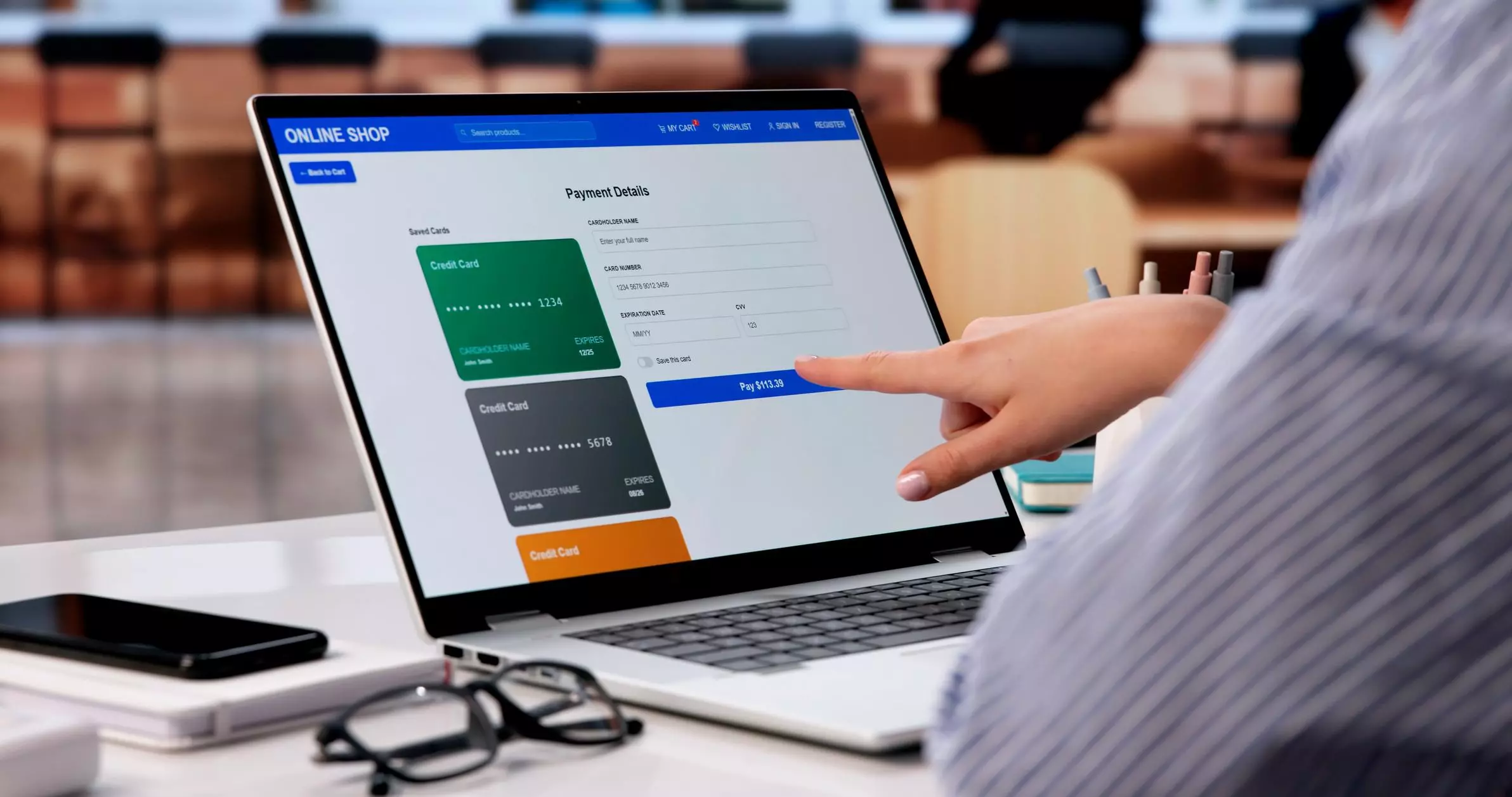
Online payment solutions are an essential component of e-commerce, allowing customers to complete purchases through suitable digital payment methods. Payment options should be implemented in accordance with applicable requirements and available payment solutions.
User Experience
Website usability has a direct impact on the customer experience. An e-commerce website should be clear, responsive, easy to navigate, and designed to provide a simple purchasing process across computers, smartphones, and tablets.
Website and Transaction Security
Protecting customer information and online transactions is a fundamental aspect of e-commerce. Appropriate security practices should be implemented to protect websites, customer data, and payment processes while reducing potential digital risks.
E-Commerce Marketing
Ecommerce businesses can be supported through various digital marketing activities, including search engine optimization, digital advertising, social media marketing, content marketing, and promotional campaigns. These activities can help increase visibility and reach potential customers.
Customer Service and Communication
Digital communication tools allow businesses to provide customer support before and after purchases. Customer service may include responding to enquiries, tracking orders, handling feedback, and providing information about products and services.
E-Commerce Performance Analysis
Analytics tools provide valuable information about website performance and customer behavior, including website traffic, acquisition sources, product engagement, orders, and conversion rates. This information can help businesses identify opportunities for improvement and optimize performance.
Website Development and Updates
Ecommerce websites require continuous development to meet changing customer expectations, technological developments, and market requirements. Updates may include improving the design, adding new features, updating content, and enhancing website speed and usability.
Benefits of E-Commerce Through Websites
E-commerce through websites can provide several benefits, including:
Building a Successful E-Commerce Experience
Successful e-commerce requires a combination of an effective website, a clear user experience, suitable payment solutions, organized product and order management, responsive customer service, and a marketing strategy aligned with the nature of the business and its target audience.
Conclusion
ECommerce Through Websites provides businesses with an integrated way to present products and services, reach customers, and manage sales through a digital environment. By investing in website functionality, user experience, security, marketing, and continuous analysis, businesses can build a digital sales channel that supports growth and adapts to changing market needs.