Commercial
Developers


Fine Home Social Profiles:
Fine Home © 2026. All rights reserved.
Terms & Conditions
Powered By


Commercial
Developers
Fine Home Social Profiles:
Fine Home © 2026. All rights reserved.
Powered By

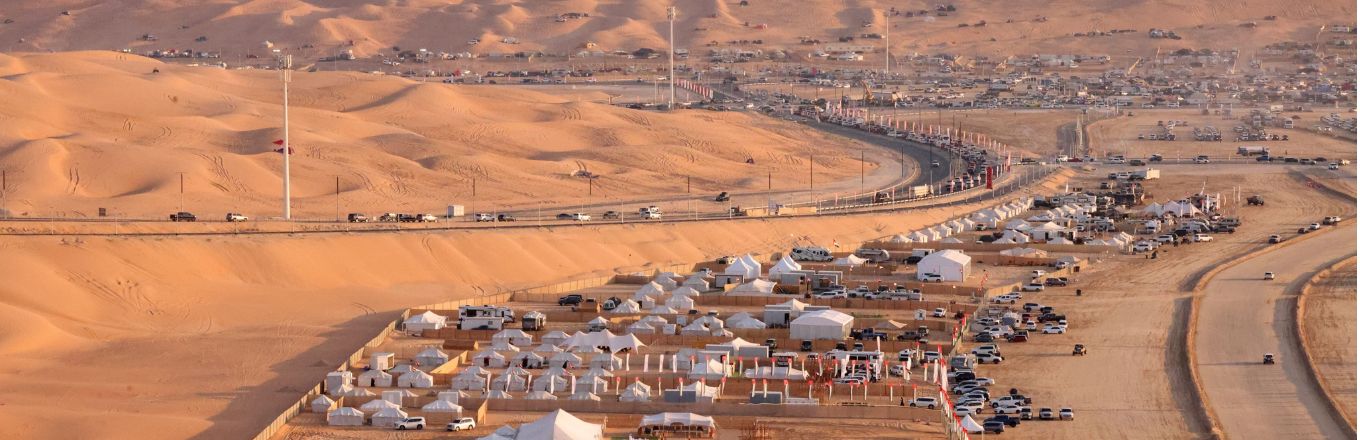

A practical, honest guide to Hameem in Abu Dhabi, covering properties, schools, healthcare, transport, lifestyle, and outdoor living for buyers, renters, and investors.
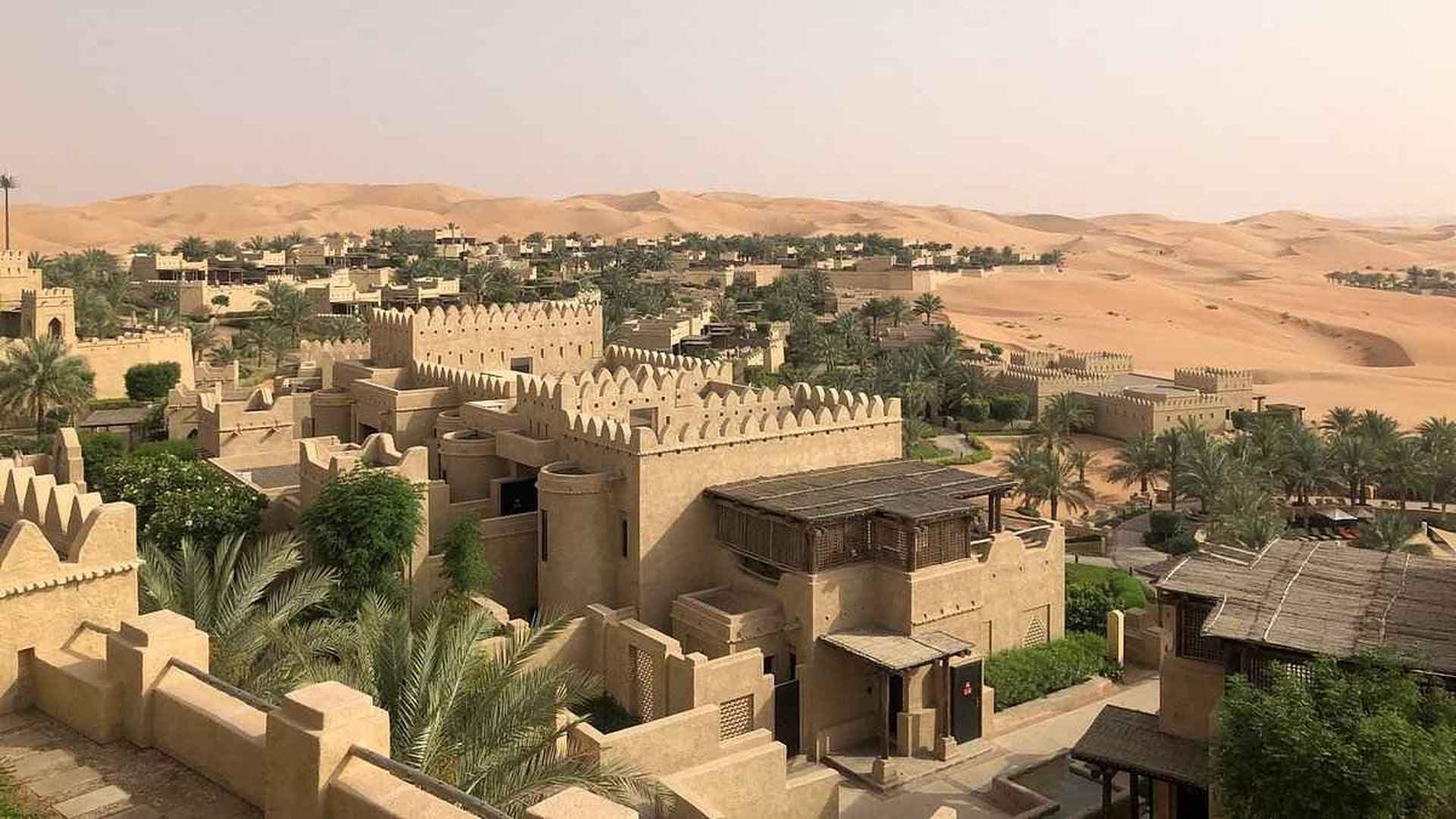
Hameem does not come up often in conversations about Abu Dhabi real estate. And perhaps that is exactly why it is worth looking at. It is located far from the usual noise, literally and figuratively. This guide covers everything a buyer, investor, or renter would reasonably want to know before making a decision. Properties, schools, transport, lifestyle, the Hameem beach, all of it laid out plainly.
Hameem is a district situated in the western corridor of Abu Dhabi, within the broader Al Dhafra region, formerly called Al Gharbia. It lies roughly 60 kilometres west of Abu Dhabi city, along Hameen Road. And that distance from the city centre is the first thing worth registering, because it shapes almost everything else about this area.
The area is not a single place. There are several distinct layers to it: a residential community, a large labour city known as NBB Workers City or Hameem Labour City, and a coastline that honestly deserves more attention than it gets. Understanding which layer you are looking at matters a great deal before making any decision here.
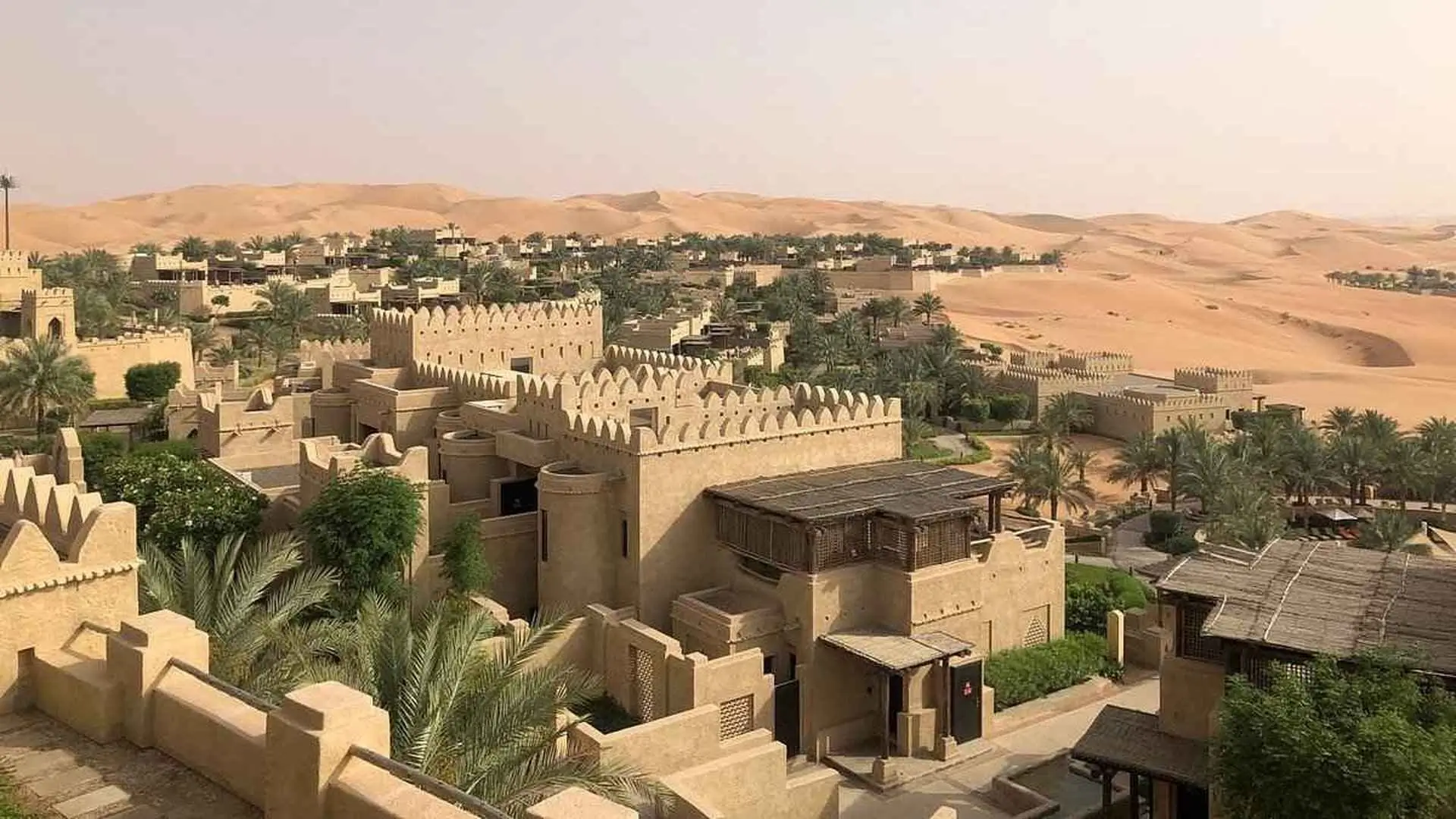
NBB Workers City is a self-sustained locality designed with a clear purpose, housing working residents in a structured, functional environment. It has supermarkets, religious sites, malls, and restaurants within reach. The infrastructure was developed with the daily requirements of its population in mind, and it shows. Modern infrastructure, yes, but practical rather than polished.
The properties in NBB Workers City include residential structures, commercial buildings, and service facilities. The residential section itself is divided into a labourers' block and a supervisors' block, which gives you a sense of the demographic this area has historically served.
Schools are not really part of Hameem's lands, which is worth knowing early. The area is primarily built around working residents rather than families with school-age children, so educational infrastructure is something you would need to plan around.
GEMS Cambridge International School is the nearest credible option, following a British curriculum from Foundation Stage through Year 13. Global Indian International School (GIIS), following an Indian curriculum from kindergarten through Grade 11, is also accessible, located in the Baniyas neighbourhood. Both require a commute, which is a factor worth thinking through carefully if you have children.
This is an area where Hameem shows its limitations fairly plainly. There are pharmacies and specialty clinics in the vicinity of the wider residential and industrial corridor, but dedicated hospital facilities within Hameem itself are limited.
Families with regular medical needs would likely be traveling to Abu Dhabi city for anything beyond routine care. We think this is the most important practical gap to factor in, especially for long-term residents.
Hameem Mall and The Great Mart are the two names that come up most often when residents talk about everyday shopping, favoured for accessible prices, with retail stores covering garments, tech supplies, and jewelry.
Parco Hypermarket, Hameen Madina Hypermarket, and Emirates General Market at Al Dhafra Mall handle grocery needs, with fresh produce arriving regularly.
For larger retail requirements, Madinat Zayed Shopping Centre in nearby Madinat Zayed is one of the oldest malls in Abu Dhabi and remains popular among residents across this western corridor. It is a short drive away and considerably more comprehensive.
Getting around Hameem is almost entirely car-dependent, and that is not going to change soon. Hameem Road is the main artery, and a personal vehicle is the practical standard. Cab services are available, though not always immediately accessible in the outer zones.
Public transit does exist in a limited form. Route 700 serves the Al Dhafra, E11, and Hameem Bridge stops, with first service at 6:55 AM and last service at 6:59 PM. The nearest major public transit hub for those without a car is Mussafah Shabiya Bus Stop, about 25 minutes away. To reach Hameem Abu Dhabi Beach, a 4x4 or SUV is advisable; the final approach involves an unpaved road that smaller vehicles can struggle with.
The lifestyle here is defined more by what is absent than what is present. There is no urban noise, no traffic congestion at every corner, and no crowd pressing in from every direction. That sounds like a selling point, and for many people it genuinely is. But it also means fewer options on a day when you want something to do.
The area is well-served by mosques: Madinat Al Salam Al Ommaleyyah Masjid to the east, Mojumaat Juma Masjid to the north, and Madinat Hameem Al Sakaneyyah Masjid to the south. Many churches are also located in nearby Khalifa City.
This is where Hameem earns genuine attention. Hameem Beach is an untouched coastal stretch: no commercial buildings, no entrance fees, and no resort infrastructure crowding the shoreline. It is good for Hameem Beach camping, anglers, and people who find meaning in a beach that looks the way beaches used to look.
The waters hold emperor fish, snapper, and grouper. Early morning and evening are better for fishing. A Hameem fishing point license is required under Abu Dhabi regulations, and visitors need to bring their own gear.
Beyond the beach, the Sheikh Zayed Heritage Centre, Wathba Wetland Reserve, and Fossil Dunes are accessible from Hameem. Mohammed Bin Zayed City Park, about 24 minutes away, offers running tracks, cycling, open spaces, and the kind of low-key outdoor time that is hard to find closer to the city.
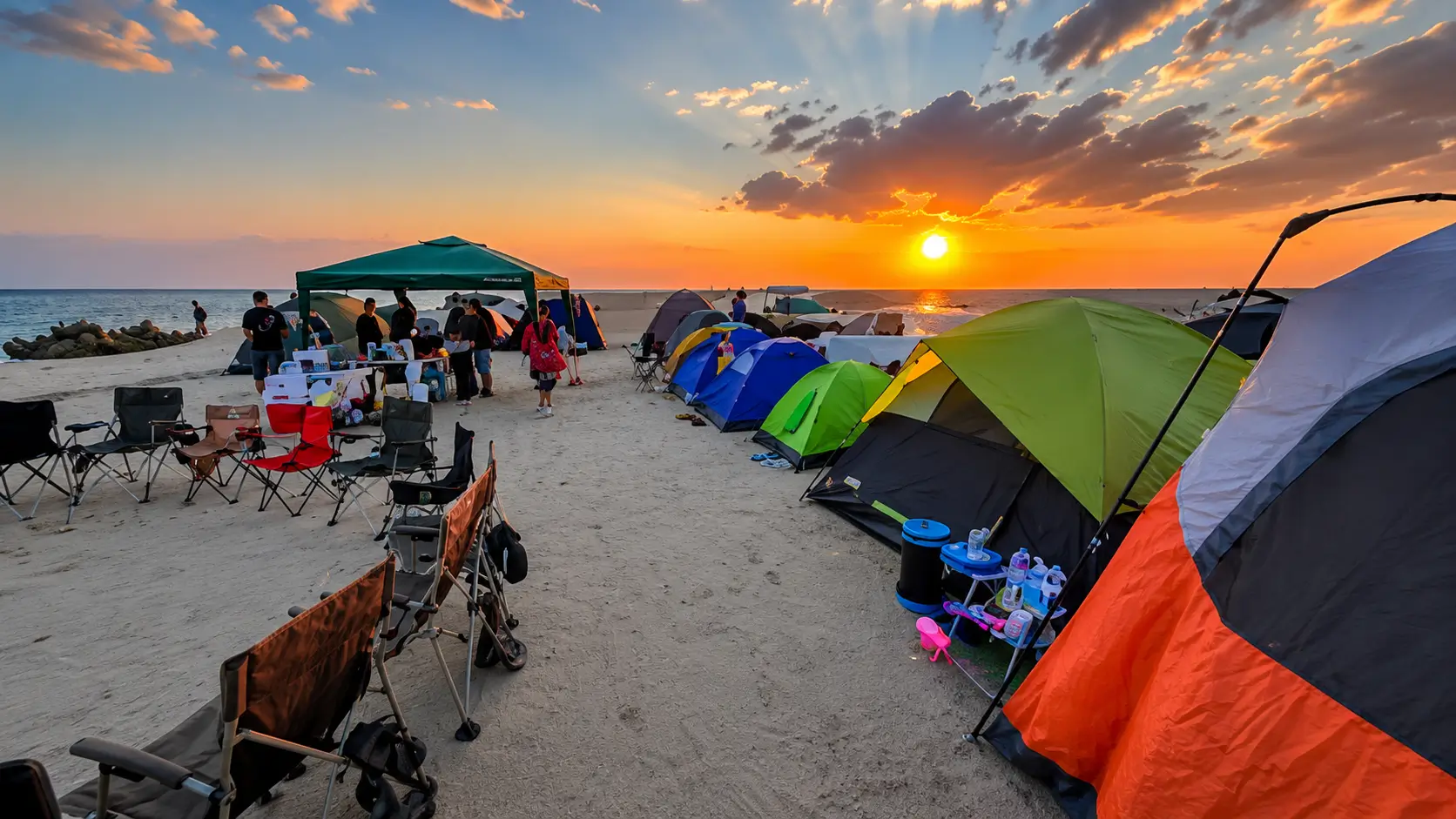
The residential complex has a ground-level recreational space with playgrounds covering football, handball, and basketball. For gym-based fitness, Spartan Bodybuilding Club and Al Eshush Fitness Centre are available in the wider corridor. Dedicated fitness clubs are still an area of active development in this part of Abu Dhabi, so depending on when you arrive, availability may vary somewhat.
Quiet surroundings and open space are perhaps the biggest draw. The area feels unhurried, which some residents genuinely come to value over time. Hameem Beach alone is worth considering, untouched, free to access, and rarely crowded. For families wanting room to breathe, this area is worth looking at.
The distance from schools, hospitals, and dining options is hard to overlook. A car is not optional here; it is essential. Healthcare access is thin, and that is perhaps the most serious concern to sit with. Evenings can feel limited, and the retail variety is something residents often quietly miss.
Is Hameem a good area for families to live in?
It can be, though perhaps with some reservations. The quiet environment suits families well enough, but the distance from schools and hospitals is a real consideration. We think families with younger children should weigh those gaps carefully before committing.
What types of properties are available to rent in Hameem?
Mostly apartments and a small number of villas. The gated Hameem Villas community offers four-bedroom units, and the surrounding areas along Hameem Road have apartments with standard amenities. Options are there, but the variety is noticeably more limited than in central Abu Dhabi.
How far is Hameem from central Abu Dhabi city?
Roughly 60 kilometers, which translates to around 30 to 40 minutes by car, depending on traffic. It feels further than the number suggests, honestly. Public transport exists but is limited, so a personal vehicle is really something you cannot do without.
 Park
Park Restaurant
 School
 Hospital
 Mall
Mall Cinema
Unlock an Exclusive Deal!