
Explore Guide in Abu Dhabi City
Abu Dhabi Areas: Your Gateway to Finding the Perfect Neighborhood
Abu Dhabi spreads across dozens of distinct communities, each with its own rhythm and personality. From beachfront enclaves to family-centric suburbs and high-energy mixed-use hubs, the capital offers a property landscape that caters to every lifestyle and investment thesis. This guide breaks down the core neighborhoods, helping you compare communities, understand infrastructure quality, and pinpoint the best fit for your household or portfolio. Whether you prioritize school catchments, airport access, or cultural landmarks, you'll find clear, fact-based insights to inform your decision.
Residential Options: What Abu Dhabi Offers Buyers and Renters
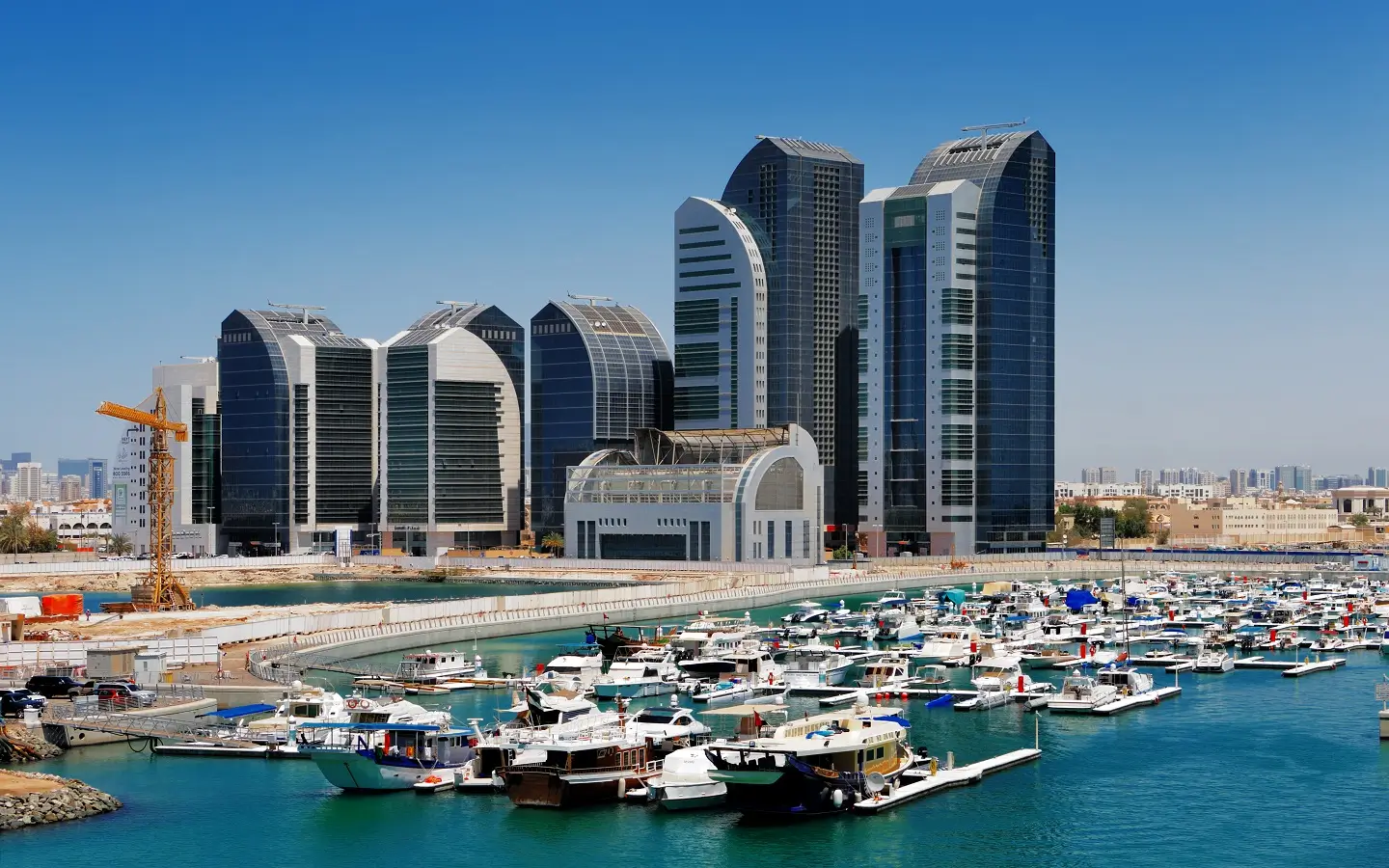
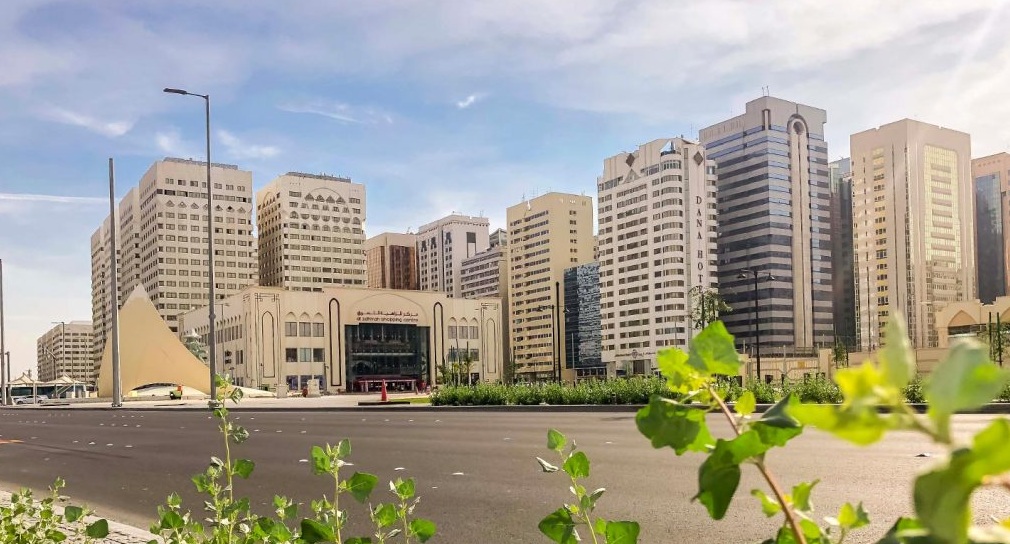
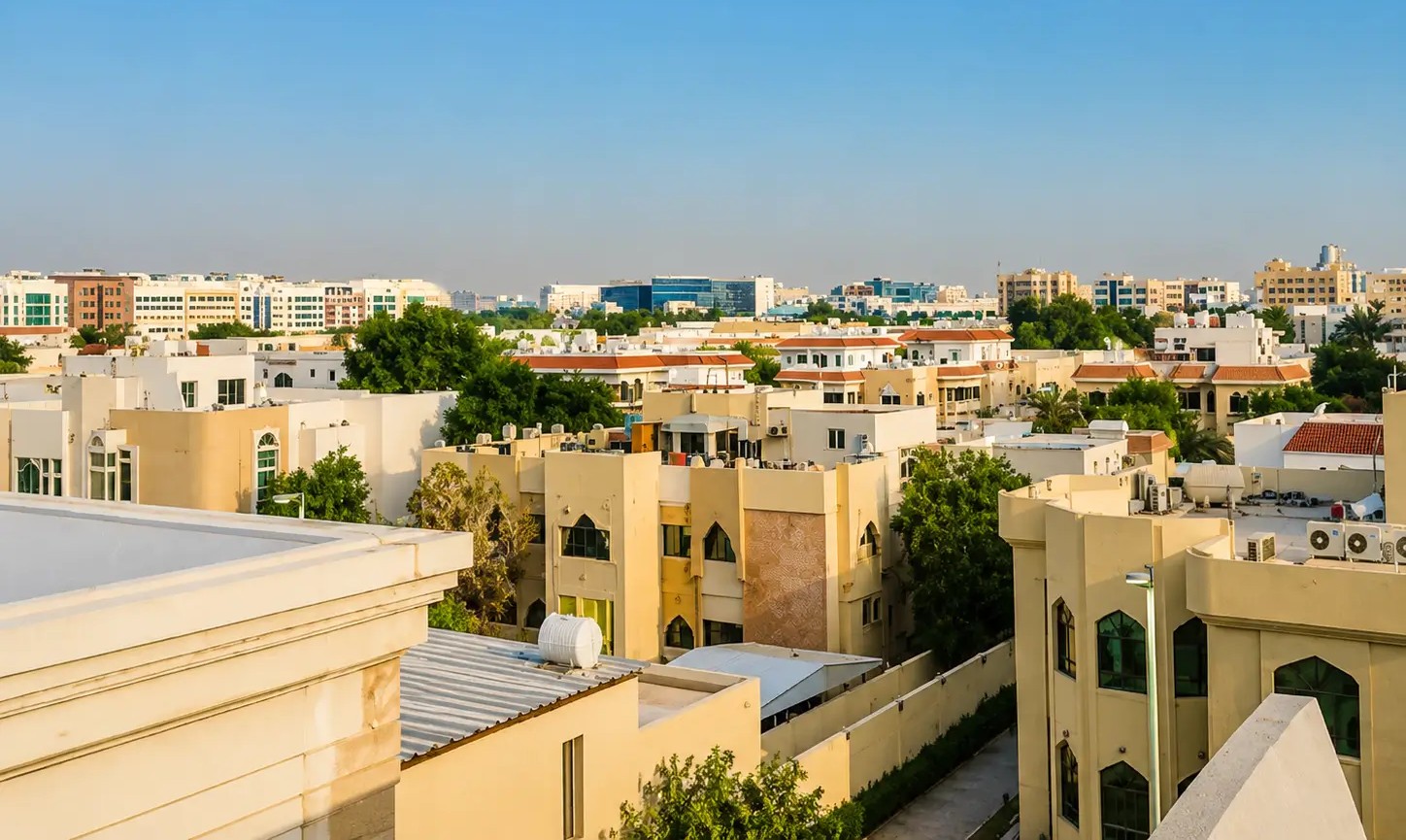
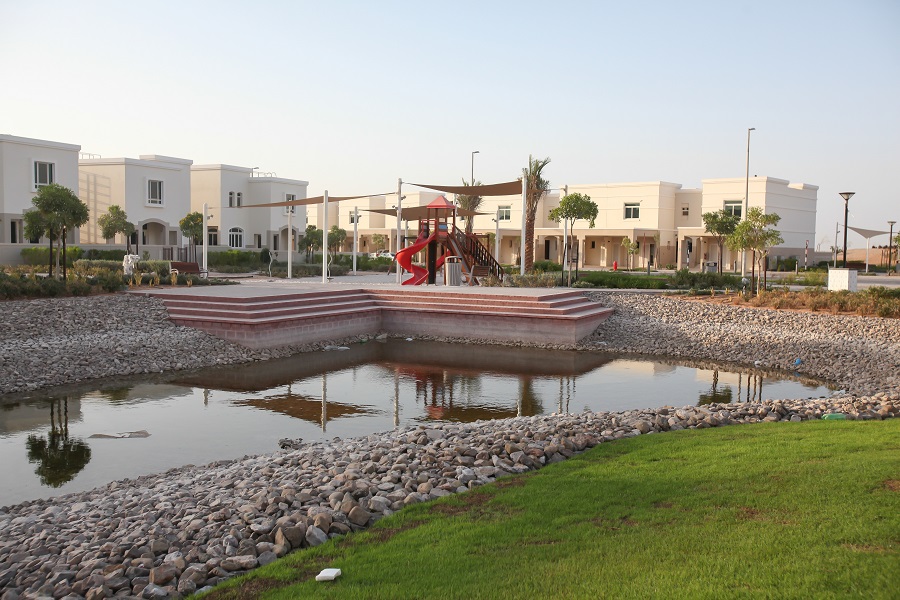
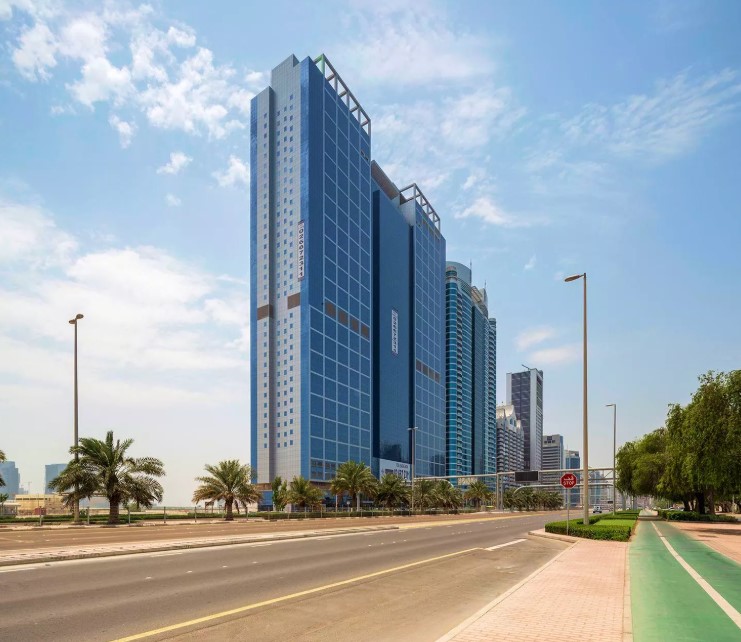
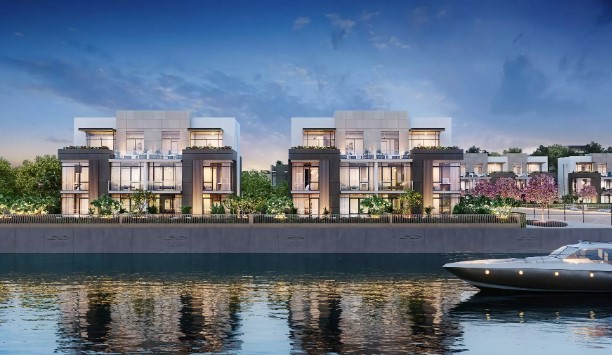
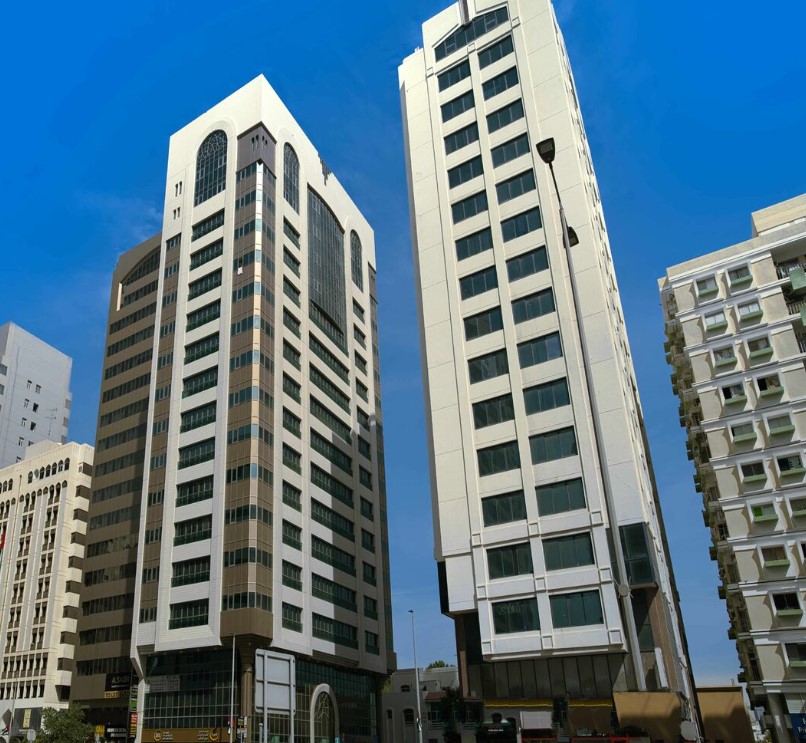
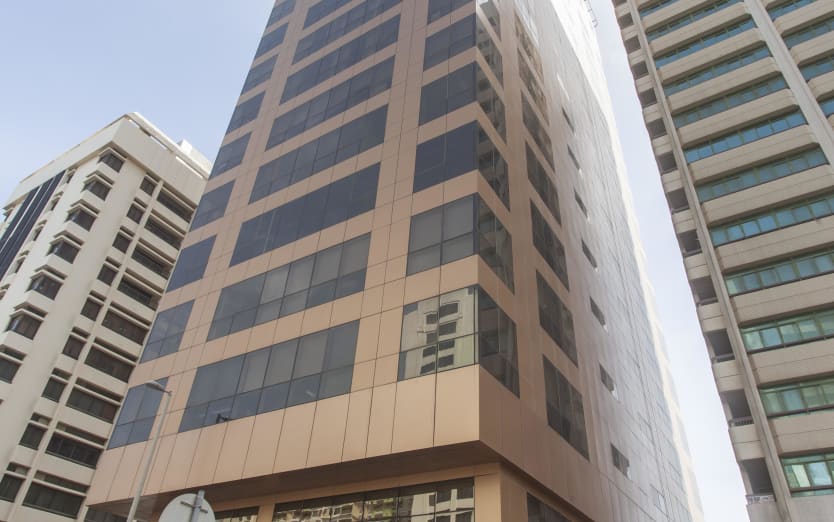
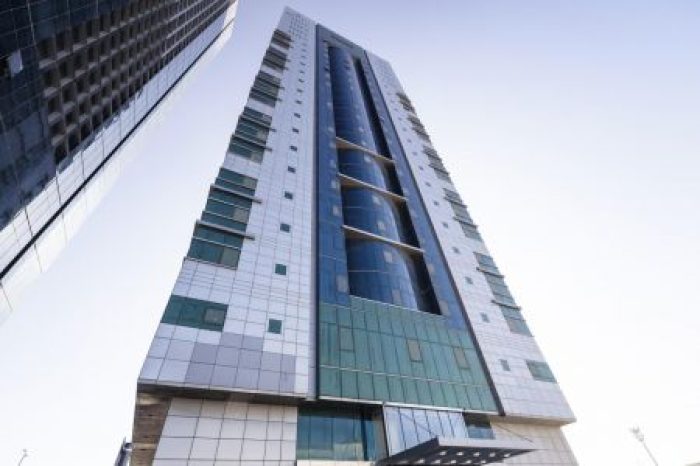
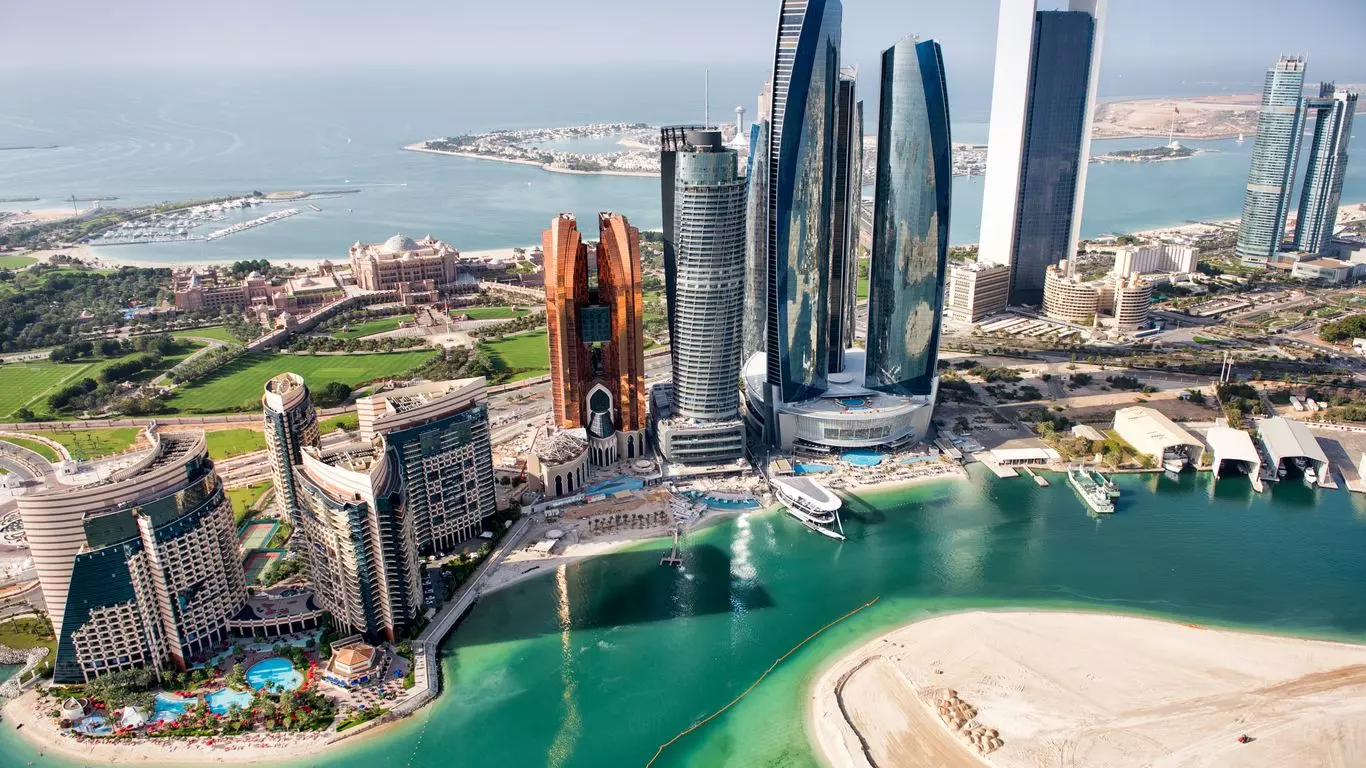
Abu Dhabi's housing stock is dominated by mid-rise and high-rise apartments in master-planned developments, alongside low-rise villa compounds in outer zones. Downtown areas such as Al Markaziyah and Tourist Club Area feature older apartment blocks and modern towers, appealing to professionals who prioritize walkability to offices and retail. Islands like Saadiyat, Yas, and Al Reem provide contemporary apartments and penthouses with marina or beach frontage, while mainland communities such as Khalifa City and Mohammed Bin Zayed City offer detached villas and townhouses on larger plots.
Freehold zones (Yas Island, Saadiyat Island, Al Reem Island, Al Raha Beach, Reem Hills) permit full foreign ownership, making them the primary focus for international investors. Leasehold and local-national zones still welcome expatriate tenants but restrict title transfer. The diversity in tenure and typology means you can scale your investment from a studio in a secondary corridor to a five-bedroom beachfront villa, depending on budget and target demographic.
Who Lives Here: Demographics and Community Dynamics
Expatriates make up the majority of Abu Dhabi's population, with sizeable South Asian, Arab, Western European, and North American cohorts. Family units dominate Khalifa City, Mohammed Bin Zayed City, and Al Reef, drawn by villa compounds, international schools, and parks. Young professionals cluster in Downtown, Tourist Club Area, and Al Reem Island, valuing proximity to offices and shorter commutes. Saadiyat Island and Yas Island attract higher-income households and empty-nesters seeking cultural amenities and resort-style living.
Community dynamics vary widely. Island developments tend to be quieter and car-dependent, with amenities inside gated enclaves. Mainland neighborhoods offer more organic street life, with local grocers, salons, and cafés embedded in residential towers. Understanding these social patterns helps you predict tenant profiles, lease tenure, and ancillary service demand.
Day-to-Day Essentials: Grocery, Dining, and Neighborhood Services
Major supermarket chains (Lulu, Carrefour, Spinneys, Waitrose) operate across all zones, with hypermarkets in malls and smaller express formats in residential clusters. Standalone grocers, bakeries, and laundromats line ground floors in older districts, while newer islands integrate retail pods within walking distance of apartment lobbies. Dining ranges from inexpensive South Asian and Middle Eastern eateries in mainland areas to upscale hotel restaurants on Yas and Saadiyat.
Pharmacies, beauty salons, dry cleaners, and repair shops are ubiquitous in mixed-use towers and street-level retail. Same-day grocery delivery and meal-kit services have expanded coverage, reducing friction for tenants without cars. From a landlord perspective, neighborhoods with denser ground-floor retail tend to see lower vacancy, as tenants value the ability to run errands on foot.
Education and Healthcare: Access to Schools and Medical Facilities
Abu Dhabi hosts over 200 private international schools, following British, American, IB, French, and Indian curricula. High-demand institutions such as GEMS American Academy, Cranleigh Abu Dhabi, and Repton School maintain waiting lists, and proximity to these campuses directly influences rental premiums. Families typically prioritize a sub-15-minute school commute, which concentrates demand in Khalifa City, Al Reef, and Yas Island.
Healthcare infrastructure includes government-run hospitals (Sheikh Khalifa Medical City, Tawam Hospital) and private chains (Cleveland Clinic Abu Dhabi, Healthpoint, Burjeel). Emergency care is accessible city-wide, but specialized consultants cluster in the capital district and on Al Reem Island. Tenants with chronic conditions or young children often filter listings by clinic proximity, making medical access a secondary but meaningful driver of rental velocity.
Transport Links: Roads, Buses, and Airport Connectivity
Abu Dhabi's road network centers on the E11 (Sheikh Zayed Road) and E10 (Abu Dhabi–Al Ain Road), with radial highways serving island and mainland zones. Rush-hour congestion peaks on bridges connecting islands to the mainland (Yas Bridge, Saadiyat Causeway, Al Reem Bridge), adding 15–20 minutes to typical commutes. Abu Dhabi International Airport lies 30 km east of downtown, placing Al Raha Beach and Khalifa City within a 20-minute drive, while western zones (Saadiyat, Yas) require 35–40 minutes.
Public transit consists of bus routes operated by the Department of Municipalities and Transport, with limited coverage compared to Dubai's metro. Most residents rely on private cars, though ride-hailing apps (Uber, Careem) are widely used. The absence of rail transit means property close to highway on-ramps and major arterials commands a premium, as commute predictability becomes a tangible cost for tenants.
Advantages and Considerations: What Tenants and Investors Should Know
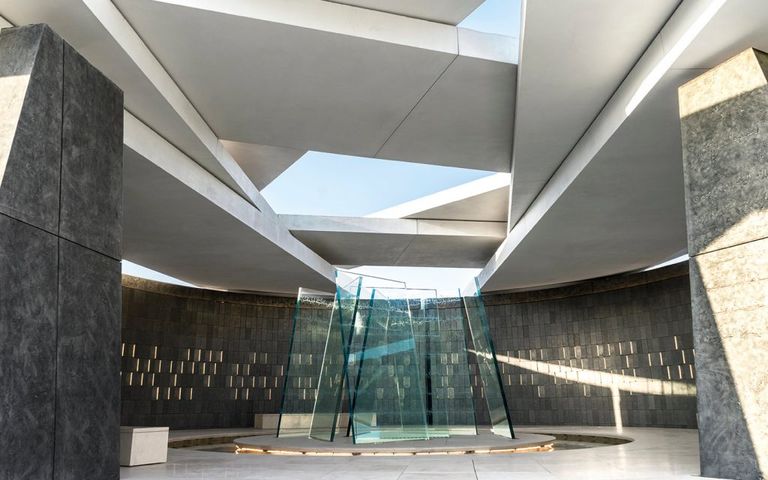
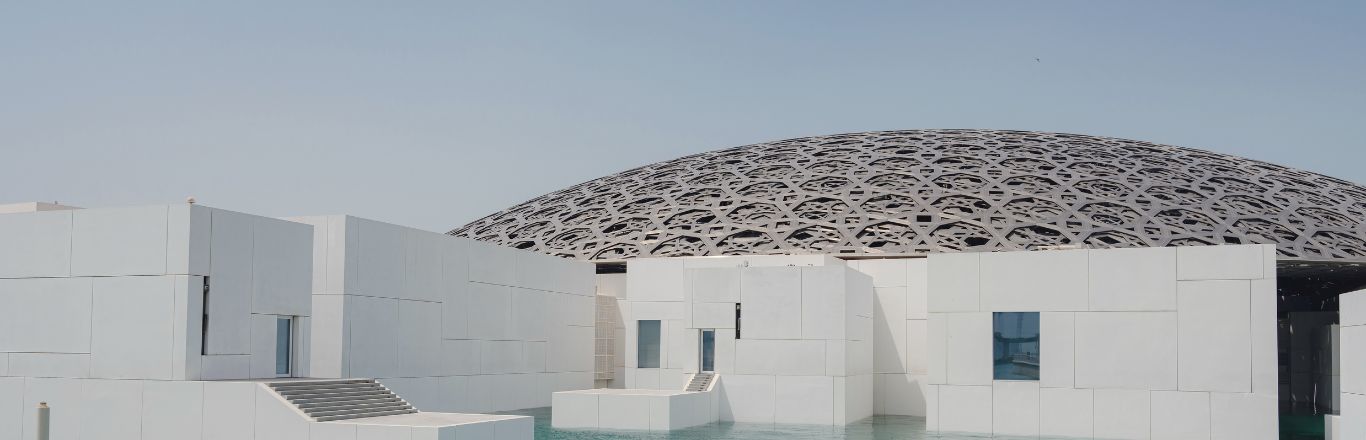
Abu Dhabi's primary appeal lies in its safety, infrastructure quality, and economic stability. Crime rates are among the lowest globally, and utilities (ADDC, AADC) deliver 24-hour power and water with minimal outages. The government's focus on cultural and leisure infrastructure (Louvre Abu Dhabi, Qasr Al Watan, Yas Marina Circuit) has positioned the emirate as a lifestyle destination, not merely a business hub.
Trade-offs include limited nightlife and entertainment relative to Dubai, which can deter younger singles. Rental yields in secondary corridors lag behind prime zones, and some older apartment stock requires refurbishment to meet modern tenant expectations. Lease terms favor annual contracts, and most landlords demand one to three post-dated cheques, impacting cash flow for multi-unit investors. Vacancy risk is higher in oversupplied clusters, so due diligence on absorption rates and pipeline supply is critical before committing capital.
Development Pipeline and Market Outlook
Government-backed mega-projects continue to reshape supply dynamics. Saadiyat Island's Cultural District is adding museum precincts and residential phases, while Yas Island's expansion includes new hotel, retail, and apartment towers. Reem Hills and Al Jurf are emerging freehold zones targeting mid-market buyers. The 2030 masterplan prioritizes transit-oriented development and green corridors, which may compress yields in car-dependent peripheries over the medium term.
Investor sentiment hinges on oil-revenue forecasts and federal policy. Freehold reforms and golden-visa programs have broadened the buyer pool, but speculative flipping remains limited by transaction costs and mortgage lending standards. Long-term capital appreciation tracks GDP growth and population inflows, making Abu Dhabi a hold-and-rent market rather than a quick-flip play.
Frequently Asked Questions
Which Abu Dhabi neighborhoods allow foreign ownership?
Freehold zones include Yas Island, Saadiyat Island, Al Reem Island, Al Raha Beach, and Reem Hills. Non-GCC nationals can purchase and register title in these areas.
What is the typical rental yield in Abu Dhabi?
Yields vary by asset class and location. Older apartments in secondary corridors may deliver mid-single-digit gross returns, while new-build villas on prime islands typically see lower yields due to higher acquisition costs. Always model net yield after service charges, maintenance, and vacancy.
How long does the average tenant stay?
Lease tenure averages 12 months, with renewal rates higher in family-oriented villa compounds than in transient apartment zones. Corporate relocations and contract-dependent employment can drive turnover in certain submarkets.
Is public transport sufficient for daily commuting?
Bus coverage exists but is sparse compared to rail-based systems. Most residents depend on private cars. Properties near highway junctions or in walkable mixed-use clusters see stronger tenant demand.
Which areas are best for families with school-age children?
Khalifa City, Al Reef, and Yas Island offer the densest concentration of international schools, parks, and family-oriented retail. Short school commutes are a top priority for expatriate families, often outweighing other amenities.