


Al Wahda City Towers delivers a self-contained urban hub where residential, commercial, and service infrastructure converge in the heart of Abu Dhabi. This mixed-use complex sits in Al Wahda, a district recognized for dense commercial activity and direct access to the city's core arteries. For tenants chasing proximity without the noise of downtown tourism zones, this is apartments for rent in Abu Dhabi that cut commute friction across work, retail, and medical needs. The towers operate as a vertical neighborhood—units stack above malls, offices, and service outlets, reducing reliance on taxis or cars for daily errands.
Investors favor the area's sticky tenant profile: families anchored by school catchments, expat professionals drawn to walkable infrastructure, and singles who prioritize transit access. The immediate footprint includes Al Wahda Mall, multiple bus routes, and Sheikh Sultan Bin Zayed the First Street, creating a lifestyle blueprint that sustains occupancy rates even during broader market softening.
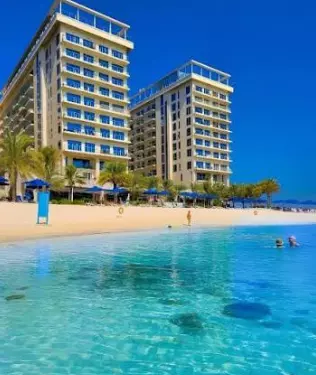
The complex deploys mid-rise and high-rise towers with a diversified unit range spanning studios through multi-bedroom layouts. Contemporary floorplans favor open-plan kitchens and floor-to-ceiling glazing that frames city skyline views—a selling point for Abu Dhabi apartments targeting young professionals and nuclear families. Shared amenities include swimming pools, fitness centers, and secured parking, features that broaden tenant appeal and support lease renewal behavior.
The vertical density here minimizes horizontal sprawl, concentrating tenant services within elevator reach. This structure supports stable occupancy by attracting demographics less likely to relocate: families tied to nearby schools and professionals prioritizing short commutes. The mix of unit sizes allows landlords to pivot between tenant types, reducing vacancy exposure when any single demographic segment weakens.
Al Wahda City Towers sits within a dense educational corridor covering nurseries through tertiary institutions. Families benefit from walking-distance access to multiple curricula, reducing the morning school-run burden that often triggers relocation in other districts. This catchment proximity directly impacts tenant retention—parents avoid mid-lease moves once children settle into local schools, stabilizing rental income streams.
Four major hospitals operate within a short radius, anchoring the area as a healthcare hub. Sheikh Khalifa Medical City's proximity means emergency response times drop, a safety factor that appeals to aging expats and families with young children. Investors note that medical facility density correlates with lower tenant turnover—residents avoid relocating when established care relationships are in place.
The towers embed 24/7 security, managed parking, swimming pools, fitness centers, and spa facilities within their footprint. These aren't decorative perks—they function as lease differentiators when tenants compare similar units across the city. Organized parking solves the chronic scarcity problem in older Abu Dhabi buildings, while surveillance systems lower insurance premiums and appeal to risk-averse tenants. Wellness amenities compress tenant spending by eliminating separate gym memberships, a micro-economic advantage that strengthens renewal rates.
Al Wahda Mall anchors the immediate retail landscape, offering department stores, electronics, groceries, and entertainment under one roof. Tenants access Madinat Zayed Shopping Centre, Khalidiyah Mall, and Al Bateen Mall within short drives, creating retail redundancy that prevents supply bottlenecks. This walkable retail access reduces car dependency—a lifestyle factor that resonates with younger tenants prioritizing sustainability and older residents managing mobility constraints.
The surrounding grid supports diverse dining, from Chinese cuisine at Ocean Chinese Restaurant to casual café culture at B Café & Resto and Papermill. Al Wahda Mall's food court expands the selection further. This variety matters less for investment math and more for tenant satisfaction—robust dining infrastructure prevents the lifestyle fatigue that often drives mid-lease exits in isolated developments.
Two upscale hotels—Grand Millennium Al Wahda and Al Rawda Arjaan by Rotana—sit steps from the towers. Their presence signals corporate demand: companies housing visiting executives often scout nearby apartments for long-stay employees. This overlap creates a secondary tenant pipeline for landlords willing to offer furnished units on flexible terms, capturing business tenants who outgrow hotel budgets.
Al Wahda's transit backbone includes five Abu Dhabi bus routes (160, 161, 162, 163, 400) and direct access to Sheikh Sultan Bin Zayed the First Street and Sheikh Rashid Bin Saeed Street—two arterials that bisect the city. Taxi availability remains high. This connectivity compresses travel times to major employment zones, airports, and leisure districts, a logistical advantage that expands the tenant catchment beyond residents working in Al Wahda itself. For Abu Dhabi rentals, transit access correlates directly with occupancy stability—tenants tolerate higher rents when commute hassle drops.
Tenants access Abu Dhabi Corniche, Abu Dhabi Beach, and Saadiyat Beach within manageable drives, offering weekend escape valves from vertical living. Fitness infrastructure includes Gold's Gym at Al Wahda Mall, Smart Gym, My First Gym, and Al Rawda Gym, covering budget and premium segments. Beauty services operate nearby through Tasreeha Beauty Salon, Princess Palace, Charm Slimming & Beauty Center, Sama Lebanon Ladies Salon, and The Nail Spa at Al Wahda Mall. These amenities don't drive investment returns but sustain tenant satisfaction scores that feed into lease renewal behavior.
Al Wahda maintains its position as a liquid residential district, anchored by infrastructure maturity and central geography. Demand remains consistent across tenant types, supporting the area's valuation within the UAE real estate market. Investors targeting houses for rent in Abu Dhabi in established zones favor Al Wahda for its low speculative risk—the district isn't chasing future metro stops or master-planned hype. Instead, it delivers immediate utility: schools, hospitals, retail, and transport already operate at scale, reducing the execution risk embedded in emerging submarkets.
Q. Where are Al Wahda City Towers located?
A. The towers sit in Al Wahda, central Abu Dhabi, adjacent to Al Wahda Mall and near Al Nahyan Stadium.
Q. Is the area suitable for families?
A. Yes. Multiple schools, hospitals, and parks operate nearby, creating a family-anchored tenant base.
Q. What are the main shopping centers nearby?
A. Al Wahda Mall, Khalidiyah Mall, and Al Bateen Mall provide redundant retail access.
Q. Are public transportation options available?
A. Yes. Five bus routes and high taxi density serve the district, along with direct arterial road access.
Q. What hotels are located near Al Wahda City Towers?
A. Grand Millennium Al Wahda and Al Rawda Arjaan by Rotana sit within walking distance.
Table of Contents
Why Al Wahda City Towers Anchors Central Abu Dhabi Living
Residential Configuration & Unit Mix Appeal
School Proximity Shapes Family Tenant Demand
Healthcare Access Reduces Tenant Friction
Integrated Amenities Lift Lease Competitiveness
Retail Density Delivers Walkable Convenience
Dining Options Meet Daily & Social Needs
Business Hotel Proximity Supports Corporate Tenant Pools
Transport Infrastructure Cuts Citywide Commute Times
Outdoor & Fitness Options Round Out Lifestyle Offer
Market Positioning Within Abu Dhabi's Rental Landscape
Key Questions About Al Wahda City Towers
Consultation with Our Expert
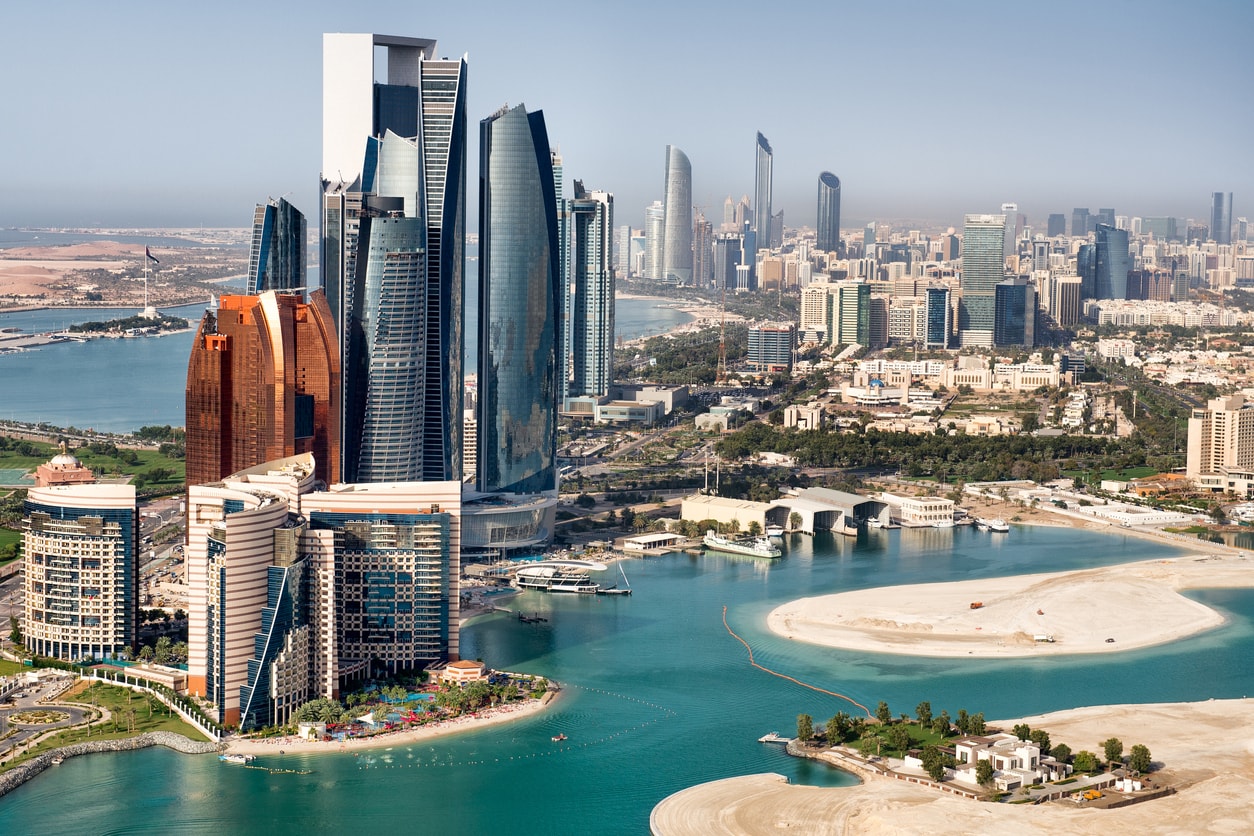
Abu Dhabi is the capital of the United Arab Emirates and the largest of the seven emirates by area. The emirate combines modern urban development with coastal landscapes, beaches, islands, cultural attractions, and heritage areas. Abu Dhabi is an archipelago made up of more than 200 islands and is divided into three main regions: Abu Dhabi City and its surrounding areas, Al Ain, and Al Dhafra.
Know More
Dubai is one of the UAE’s most prominent destinations for families, working professionals, entrepreneurs, and property investors looking for a modern and highly connected lifestyle. The city offers a wide range of residential options, including apartments, villas, townhouses, branded residences, and off-plan properties across established and emerging communities.
Know More
Sharjah areas offer a diverse range of residential neighborhoods, established districts, modern residential communities, and coastal destinations across the United Arab Emirates (UAE). Whether you are planning to move, looking for a property, or exploring the emirate, understanding the different areas in Sharjah can help you compare locations and identify the right community for your needs. From waterfront neighborhoods such as Al Majaz and Al Khan to residential areas such as Al Nahda, Al Taawun, and Muwaileh, Sharjah offers a variety of housing options, lifestyle facilities, and everyday amenities. Modern developments, including Aljada and Al Zahia, provide additional residential choices, while communities such as Al Rahmaniya appeal to households looking for suburban living. Some Sharjah areas offer convenient access to major roads connecting the emirate with Dubai, while others are better suited to residents who prioritize schools, community facilities, coastal surroundings, or quieter residential environments.
Know More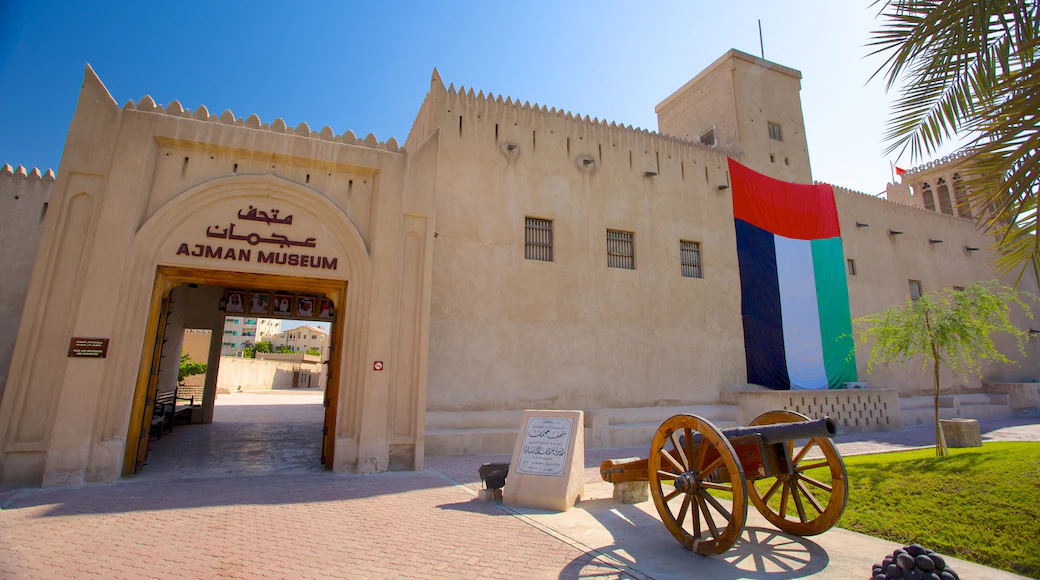
Ajman is one of the seven emirates of the United Arab Emirates and is known for its coastal lifestyle, residential communities, cultural heritage, and growing real estate market. The emirate is located along the Arabian Gulf and is geographically positioned between Sharjah and Umm Al Quwain. Ajman consists of Ajman City, Masfout, and Manama, offering a combination of urban, coastal, agricultural, and mountainous environments.
Know More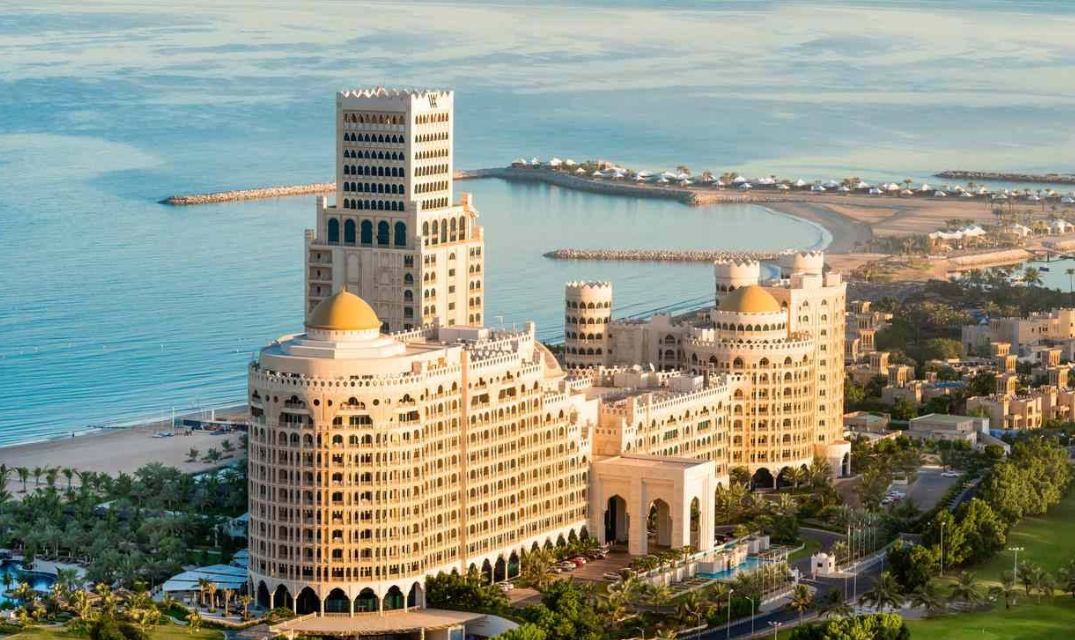
Ras Al Khaimah is one of the seven emirates of the United Arab Emirates and the northernmost emirate in the country. It is known for its diverse landscape, combining beaches, mountains, deserts, mangroves, and historic areas. The emirate has around 64 kilometres of coastline and is home to Jebel Jais, the highest mountain in the UAE.
Know More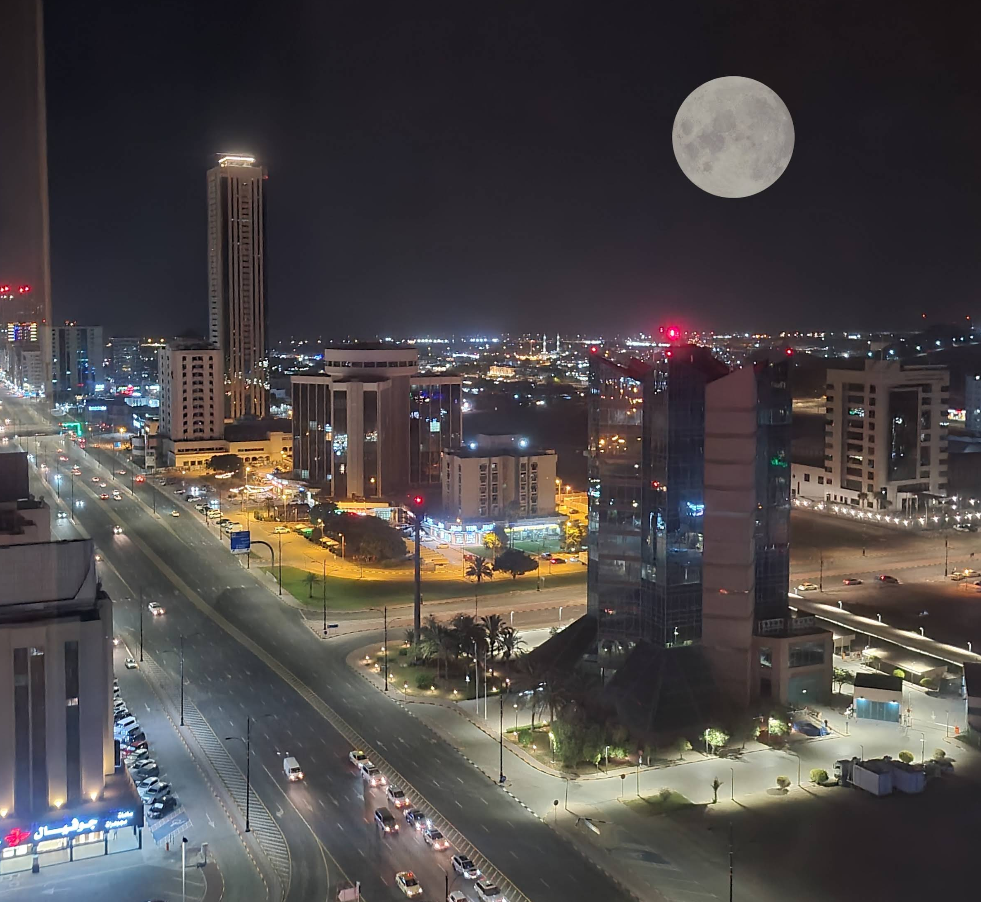
Fujairah is one of the seven emirates of the United Arab Emirates and is located on the UAE’s eastern coast along the Gulf of Oman. The emirate is known for its mountains, beaches, natural landscapes, and coastal communities.
Know More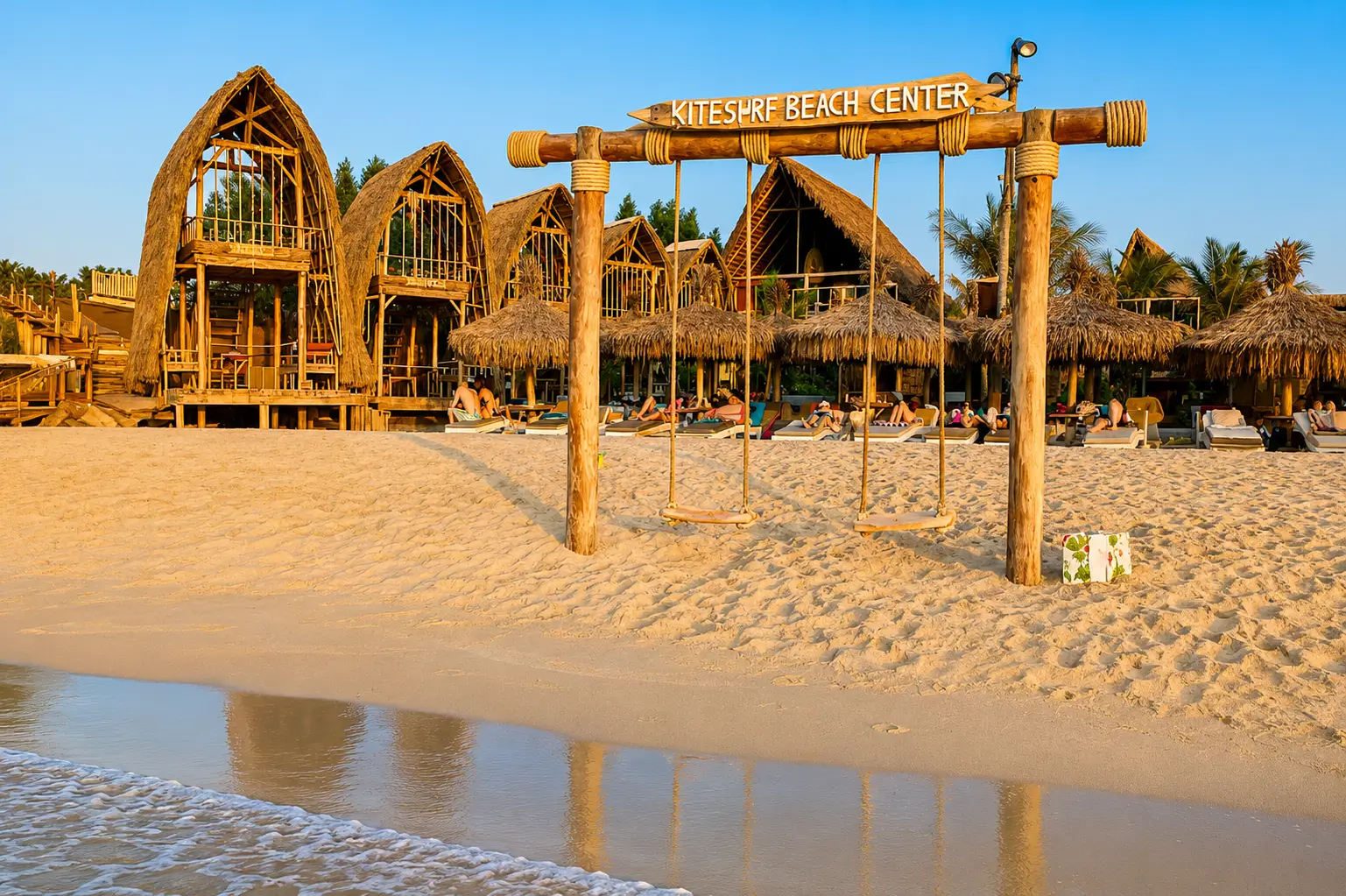
Umm Al Quwain is one of the seven emirates of the United Arab Emirates. Located along the Arabian Gulf, the emirate is known for its coastal environment, peaceful lifestyle, islands, natural areas, and maritime heritage.
Know MoreConsultation with Our Expert
Quick Links
Install Our App Today
Join our newsletter
We’ll send you updates once per week.
Fine Home social profiles


Powered By