Quick Links
Install Our App Today
Join our newsletter
We’ll send you updates once per week.
Fine Home social profiles


Powered By



Mubarak Bin Mohammed Street sits in the functional center of Abu Dhabi, delivering genuine convenience without sacrificing residential calm. You get a rare balance here: school runs that take minutes, not hours, grocery stores you can walk to, and weeknight dinners at dozens of cafés—all without the congestion of newer commercial zones. This is a proven community where long-term residents stay because the infrastructure actually works. For families seeking daily ease and professionals valuing short commutes, this corridor checks every practical box while maintaining the neighborhood feel that keeps tenants renewing leases year after year.
The residential stock blends modern high-rises with well-kept mid-rise blocks, most offering genuinely spacious layouts—a rarity in central locations. You won't feel packed in. Units trend toward family-sized configurations with separate living zones, and many buildings predate the micro-apartment trend, meaning actual storage and room to move. The street itself stays surprisingly quiet despite bordering Al Khalidiya, Al Hosn, and Al Bateen, three of the city's most established districts. Parking is manageable, building maintenance standards are high, and you're living among long-term residents rather than constant turnover. That stability translates to predictable tenant quality for landlords and genuine community for families—both factors that protect capital values when speculative zones falter.
The tenant profile skews heavily toward working families with school-aged children and mid-career professionals employed in nearby government offices, embassies, and business districts. You'll find multi-year residents who chose the street specifically for walkable errands and short school commutes. The demographic is stable, income levels are consistent, and lease renewals run high—all indicators of low vacancy risk. Parents appreciate being able to collect kids from nursery in under ten minutes; professionals value the fifteen-minute commute to Corniche offices. This is not a transient expat zone. It's a community where people stay, which matters significantly when you're evaluating long-term rental income or resale liquidity.
Daily life here requires almost no planning. Supermarkets, pharmacies, bakeries, and tailors line the street, meaning you can handle errands on foot between meetings or after school pickup. The area offers:
For bigger shopping trips, Khalidiyah Mall and Al Wahda Mall sit within a short drive, alongside Lulu Hypermarket for bulk household needs. When it comes to dining, the street punches well above its size. You get Arabic family restaurants, international kitchens, cozy cafés, and easy access to Corniche-area spots—all without needing a car every night. This walkable convenience is what keeps families anchored here and drives sustained tenant demand even when flashier developments open across the city.
Parents get genuine choice without sacrificing proximity. The surrounding catchment includes strong British, Arabic-stream, and nursery options, meaning siblings at different stages can all attend nearby schools. Key institutions include:
Morning drop-offs rarely exceed fifteen minutes, which matters enormously when both parents work full-time. This concentration of reputable schools is a primary driver of family tenant demand and underpins stable occupancy rates for landlords targeting the family segment.
Healthcare sits close enough that emergencies don't trigger logistical panic. The area is served by:
You get both emergency care and routine specialists within minutes, which becomes non-negotiable once you have young children or aging relatives nearby. This medical density also appeals to older professionals and retirees, broadening the tenant pool and adding resilience to rental demand across market cycles.
Connectivity here isn't theoretical—it's functional. Multiple bus routes serve the street directly, taxis appear within minutes, and you're seconds from Sheikh Khalifa Bin Zayed Street and Corniche Road, the two arteries that move you efficiently across Abu Dhabi. Government offices, embassies, and the central business district all fall within a twenty-minute commute, often less during off-peak hours. This transit-oriented position is critical for working professionals and directly impacts tenant retention. Shorter commutes mean higher quality of life, which translates to longer leases and lower landlord vacancy costs. For investors, proximity to employment hubs is one of the few factors proven to maintain rental income during economic slowdowns.
Strengths: The street delivers genuine walkability, established schools, immediate medical access, and diverse dining without requiring a car for daily tasks. Tenant demographics are stable, lease renewals run high, and the infrastructure is mature and reliable. You're buying into proven demand, not speculative growth.
Trade-offs: This is an established zone, not a shiny new development. Expect mid-rise aesthetics rather than architectural statements, and parking can tighten during peak evening hours. The area lacks large private gardens or resort-style amenities—you're trading those for central location and functional convenience. If your priority is brand-new finishes and Instagram appeal, newer districts may suit better. But if you value dependable tenant quality and low operational friction, these trade-offs are minor.
Abu Dhabi's ongoing infrastructure upgrades continue to reinforce central corridors like Mubarak Bin Mohammed Street rather than obsolete them. The street's proximity to government districts, embassies, and established commercial zones means it benefits from citywide improvements without the volatility of emerging areas. Demand here is driven by genuine need—schools, jobs, services—not speculative hype. That translates to rental income that holds during market corrections and resale liquidity when newer zones struggle. Investors seeking predictable cash flow rather than rapid appreciation will find this profile attractive, and families can expect the neighborhood to remain functional and well-serviced for decades.
Q. Does this area genuinely work for families with young children?
A. Yes. Multiple nurseries and primary schools sit within a ten-minute radius, alongside pediatric clinics, parks, and playgrounds. The tenant base is heavily family-oriented, which drives a stable, child-friendly environment.
Q. How quickly can I reach quality schools?
A. Morning drop-offs to The British School Al Khubairat, Al Bateen Secondary School, and surrounding nurseries typically take under fifteen minutes, often less depending on your building location.
Q. What if a medical emergency happens?
A. Burjeel Hospital and Corniche Hospital are both minutes away, alongside Al Bateen Healthcare Center. Emergency response times are fast, and specialist clinics are easily accessible for routine care.
Q. Can I handle shopping and errands without driving constantly?
A. Absolutely. Pharmacies, supermarkets, bakeries, and service providers line the street itself. Khalidiyah Mall and Lulu Hypermarket are a short drive for bigger trips, but daily needs are walkable.
Q. How reliable is public transport and road access?
A. Very. Multiple bus routes serve the street, taxis arrive quickly, and you're seconds from Sheikh Khalifa Bin Zayed Street and Corniche Road, which connect you efficiently across the city. Commute times to government and business districts average fifteen to twenty minutes.
Table of Contents
Where Tradition Meets Modern Family Living
Mid-Rise Living With Surprising Breathing Room
Families and Career Professionals Who Value Proximity
Everything You Need Within a Ten-Minute Radius
Legitimate School Choice and Immediate Medical Cover
Transit Links That Actually Save Time
What Works and What to Weigh
Stability Over Speculation
Common Questions Answered
Consultation with Our Expert
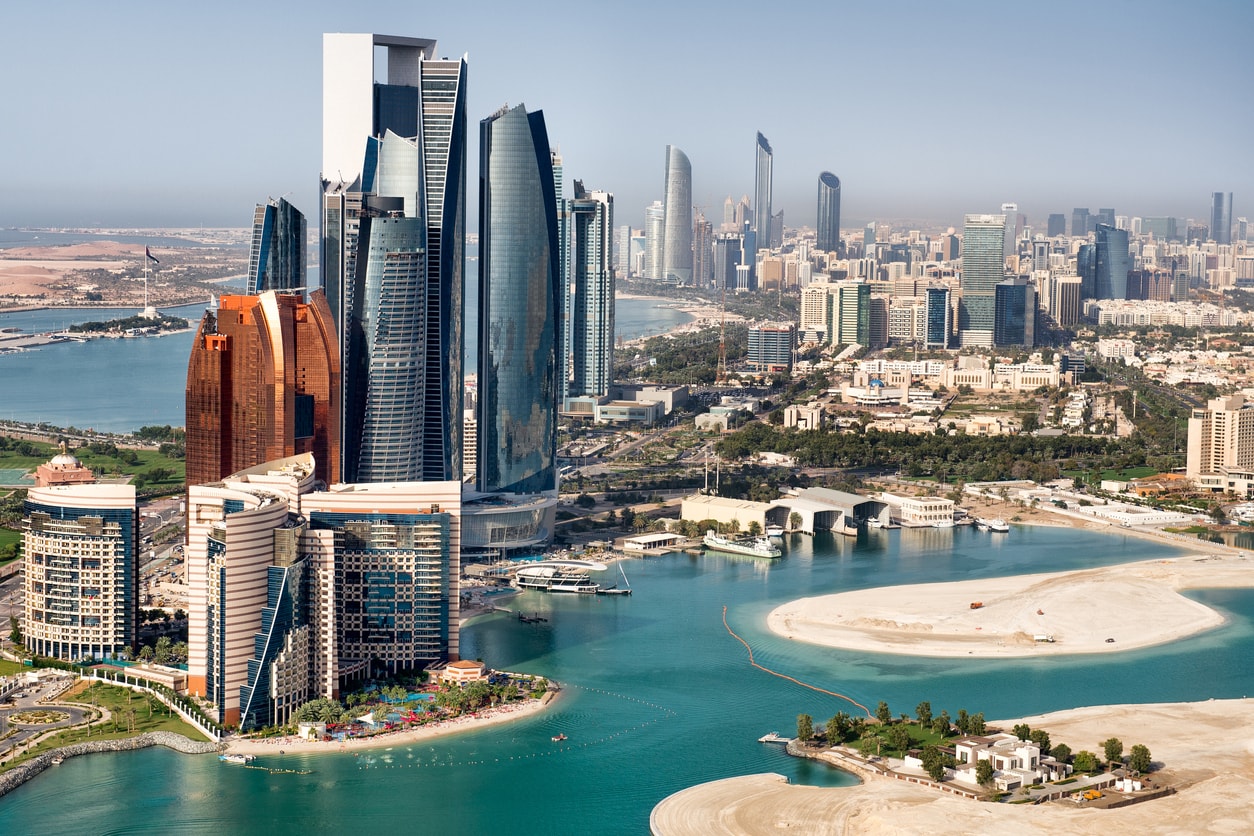
Abu Dhabi is the capital of the United Arab Emirates and the largest of the seven emirates by area. The emirate combines modern urban development with coastal landscapes, beaches, islands, cultural attractions, and heritage areas. Abu Dhabi is an archipelago made up of more than 200 islands and is divided into three main regions: Abu Dhabi City and its surrounding areas, Al Ain, and Al Dhafra.
Know More
Dubai is one of the UAE’s most prominent destinations for families, working professionals, entrepreneurs, and property investors looking for a modern and highly connected lifestyle. The city offers a wide range of residential options, including apartments, villas, townhouses, branded residences, and off-plan properties across established and emerging communities.
Know More
Sharjah areas offer a diverse range of residential neighborhoods, established districts, modern residential communities, and coastal destinations across the United Arab Emirates (UAE). Whether you are planning to move, looking for a property, or exploring the emirate, understanding the different areas in Sharjah can help you compare locations and identify the right community for your needs. From waterfront neighborhoods such as Al Majaz and Al Khan to residential areas such as Al Nahda, Al Taawun, and Muwaileh, Sharjah offers a variety of housing options, lifestyle facilities, and everyday amenities. Modern developments, including Aljada and Al Zahia, provide additional residential choices, while communities such as Al Rahmaniya appeal to households looking for suburban living. Some Sharjah areas offer convenient access to major roads connecting the emirate with Dubai, while others are better suited to residents who prioritize schools, community facilities, coastal surroundings, or quieter residential environments.
Know More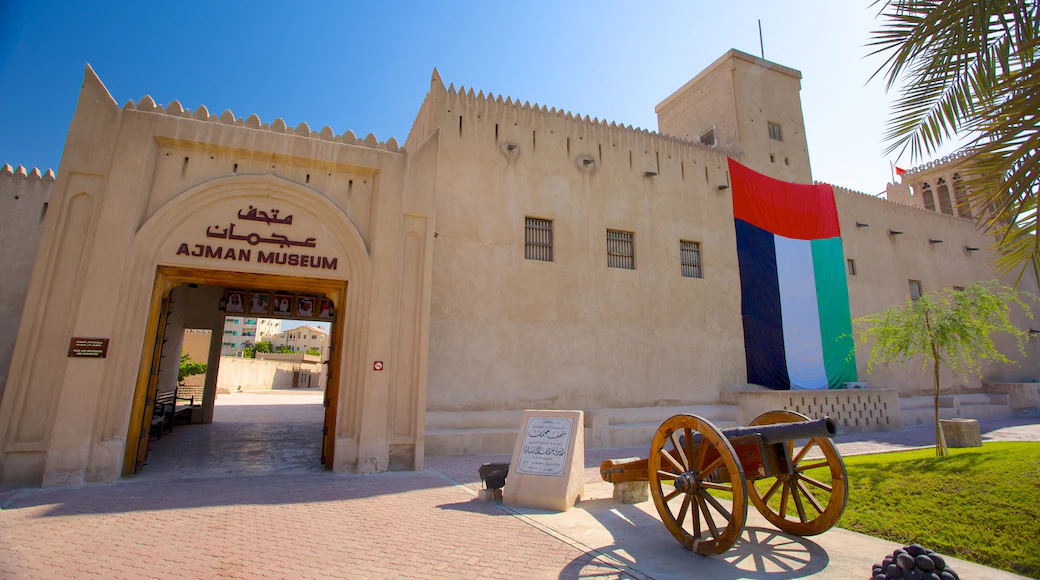
Ajman is one of the seven emirates of the United Arab Emirates and is known for its coastal lifestyle, residential communities, cultural heritage, and growing real estate market. The emirate is located along the Arabian Gulf and is geographically positioned between Sharjah and Umm Al Quwain. Ajman consists of Ajman City, Masfout, and Manama, offering a combination of urban, coastal, agricultural, and mountainous environments.
Know More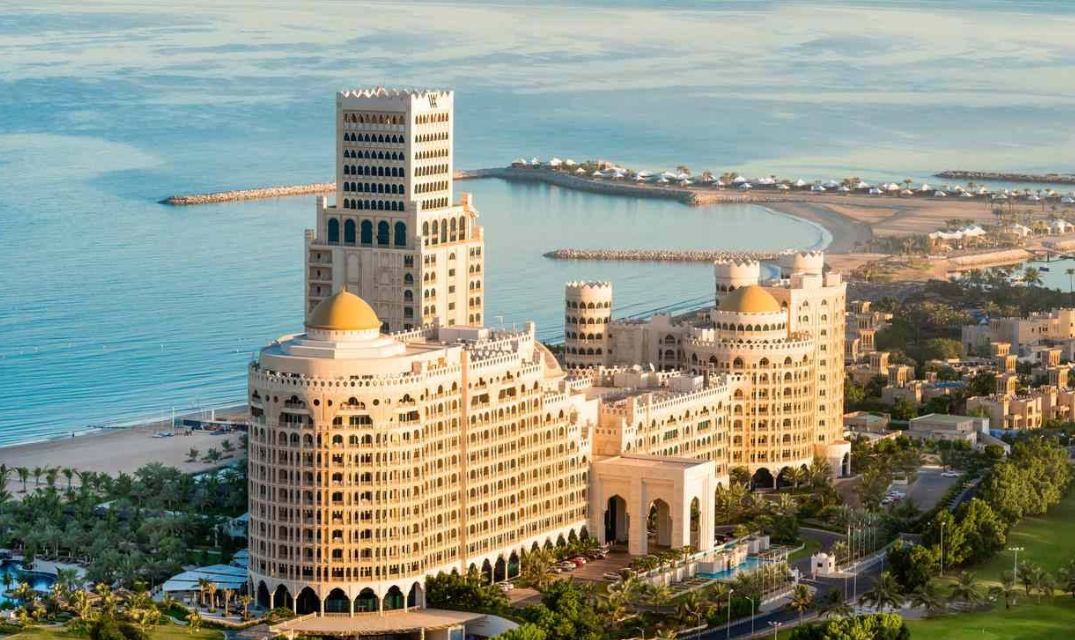
Ras Al Khaimah is one of the seven emirates of the United Arab Emirates and the northernmost emirate in the country. It is known for its diverse landscape, combining beaches, mountains, deserts, mangroves, and historic areas. The emirate has around 64 kilometres of coastline and is home to Jebel Jais, the highest mountain in the UAE.
Know More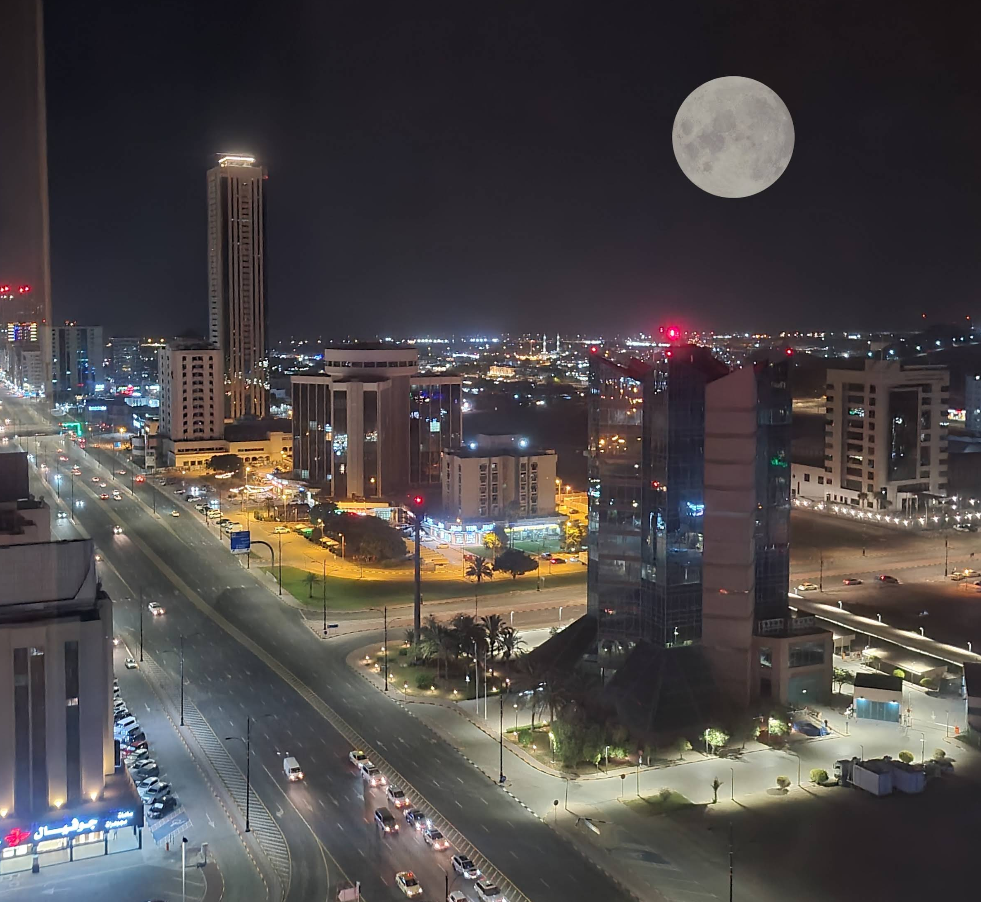
Fujairah is one of the seven emirates of the United Arab Emirates and is located on the UAE’s eastern coast along the Gulf of Oman. The emirate is known for its mountains, beaches, natural landscapes, and coastal communities.
Know More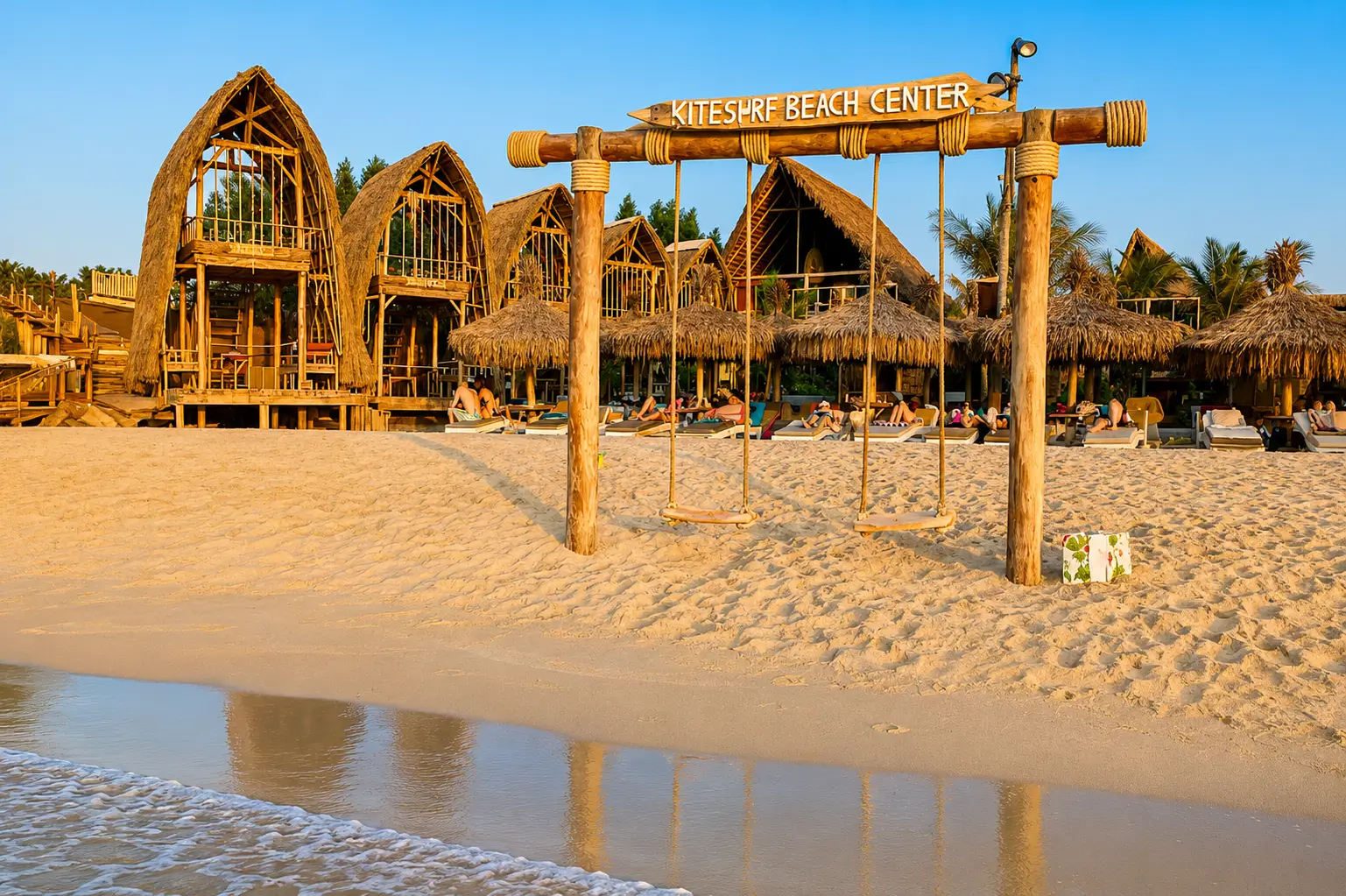
Umm Al Quwain is one of the seven emirates of the United Arab Emirates. Located along the Arabian Gulf, the emirate is known for its coastal environment, peaceful lifestyle, islands, natural areas, and maritime heritage.
Know MoreConsultation with Our Expert