

Explore Guide in Al Waha
Why Al Waha Attracts Family-Focused Investors
Al Waha sits within Al Ghadeer, a master-planned community by Aldar Properties strategically positioned between Abu Dhabi and Dubai. This location delivers dual-city access without the noise, congestion, or premium pricing of either CBD. Families seeking affordability and space gravitate here, while investors benefit from tenant stability and modest capital growth driven by Al Ghadeer's phased expansion.
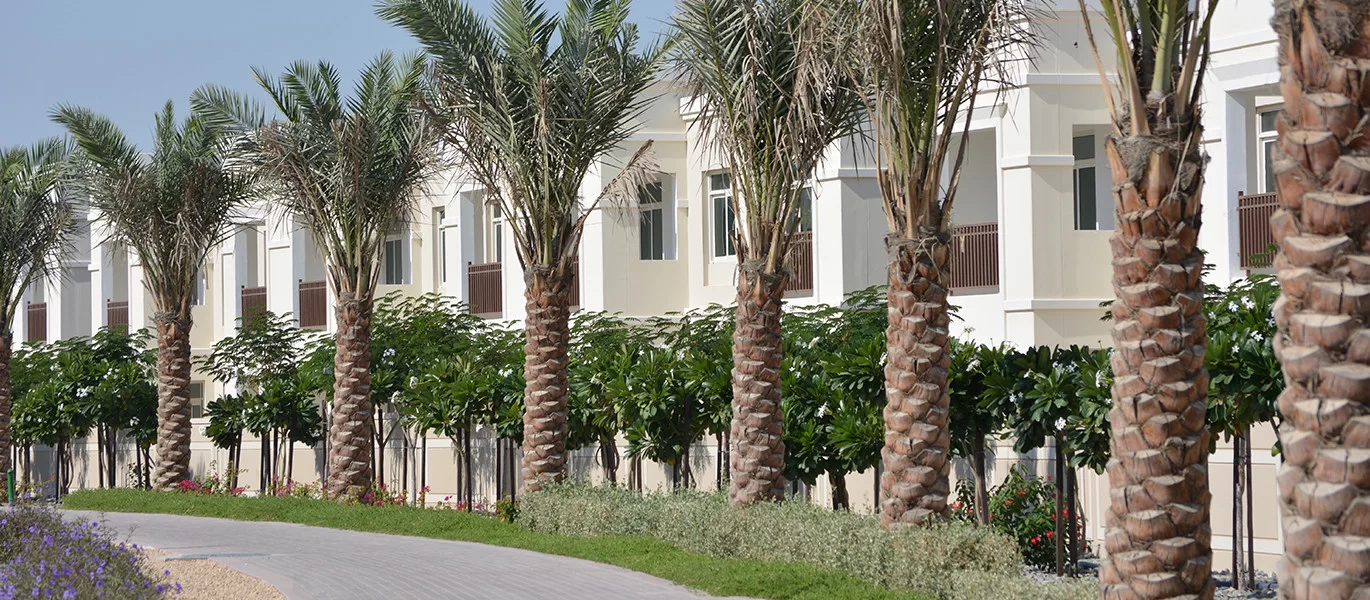
The architecture prioritizes sustainability—solar-lit pathways, recycling programs, and green corridors—which appeals to environmentally conscious renters. Community cohesion is strong, supported by shared parks, pools, and resident farming initiatives. For buy-to-let portfolios, this translates to lower turnover and consistent occupancy.
Property Mix and Design Philosophy
Al Waha offers low-rise apartments, townhouses, and villas embedded in landscaped walkways and pocket parks. The emphasis on pedestrian comfort and open space differentiates Al Waha from high-density suburban tracts, reducing the claustrophobia common in similar price brackets. This design appeals to families with young children and tenants who prioritize outdoor access.
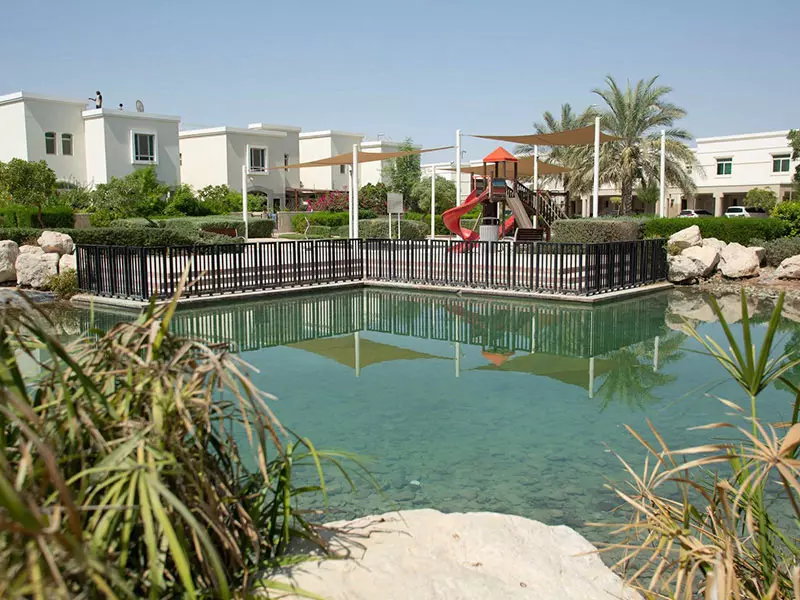
Shared amenities—playgrounds, swimming pools, and shaded jogging paths—are woven throughout Al Ghadeer, reducing the need to leave the neighborhood for recreation. This self-contained environment supports tenant retention, a key metric for landlords managing multiple units.
School Access and Commute Realities
Al Ghadeer itself lacks established K-12 schools, so families commute to nearby campuses following British curriculums. Proximity to quality education directly impacts rental demand and resale liquidity. Key options include:
- British Oak Montessori Nursery (Dubai Investment Park)
- Greenfield International School (Dubai)
- The Winchester School (Jebel Ali)
Commutes average 20–25 minutes, manageable for suburban living but a friction point for tenants accustomed to walkable school zones. Future phases of Al Ghadeer promise integrated schools, which will compress this gap and likely lift property values as the catchment matures.
Healthcare Provision and Gaps
Primary care is handled locally at Al Ghadeer Clinic, sufficient for minor ailments and routine check-ups. Serious medical needs require a drive to Dubai or Abu Dhabi's secondary facilities:
- NMC Royal Hospital, DIP (approximately 25 minutes)
- Mediclinic Parkview Hospital (approximately 30 minutes)
While not a dealbreaker for most tenants, this 30-minute healthcare radius is standard for suburban Abu Dhabi. Investors should note that expanding healthcare infrastructure is part of Aldar's masterplan rollout, which will reduce outbound dependency and support long-term tenant satisfaction.
Daily Convenience and Retail Access
Al Ghadeer hosts small convenience stores for groceries and essentials, eliminating the need for daily drives. However, major shopping trips require leaving the community. Nearby malls within 15–25 minutes include:
- The Outlet Village (15 minutes)
- Ibn Battuta Mall (25 minutes)
- Sapphire Mall (20 minutes)
This setup suits families comfortable with weekly bulk shopping but may frustrate tenants expecting walkable retail diversity. The tradeoff is lower living costs and quieter surroundings, appealing to budget-conscious expatriate families.
Dining and Social Spaces
Dining options within Al Ghadeer remain limited but functional. Residents frequent nearby spots including:
- San Marco Restaurant
- Maruf Desert Cafeteria
- The Coffee Club – Al Ghadeer
The dining scene caters to quick bites and casual meals rather than fine dining. This reflects the community's family-oriented demographic and suburban positioning. As occupancy rises, restaurant operators will likely expand offerings, improving the lifestyle proposition.
Hospitality Options for Visitors
Al Waha's location supports short-term visitor stays, with hotels 15–20 minutes away serving business travelers and weekend tourists. Key properties include:
- JA Resort Hotels, Jebel Ali
- Lapita Hotel, Dubai Parks
- Golden Tulip Ghantoot
This proximity is useful for landlords catering to executives or families hosting guests, adding a layer of convenience that differentiates Al Waha from more isolated suburbs.
Road Connectivity and Commute Economics
Al Waha relies on Sheikh Mohammed Bin Zayed Road (E311) and Emirates Road (E611), offering direct highways to both Abu Dhabi and Dubai CBDs. Typical commute times are 35–45 minutes under normal traffic—acceptable for suburban pricing but a consideration for tenants working downtown. Public transport is absent, so tenants need private cars or depend on ride-hailing services.
This car dependency limits appeal to single professionals without vehicles but aligns well with family tenants who prioritize space over transit access. Investors should factor parking availability and road maintenance into property selection, as commute reliability directly impacts tenant satisfaction.
Outdoor Living and Community Farming
Al Waha's design emphasizes outdoor activity with landscaped parks, shaded walking trails, and cycling paths integrated throughout. The standout feature is "The Harvest," a community farming concept allowing residents to cultivate vegetables and herbs in shared plots. This engages health-conscious families and differentiates the neighborhood from sterile apartment blocks.
For investors, these amenities reduce tenant churn by creating emotional attachment to the community. Families invested in outdoor routines and gardening projects are less likely to relocate, stabilizing rental income.
Fitness and Grooming Services
Fitness facilities within and near Al Ghadeer include:
- Vogue Fitness Al Ghadeer
- FitBox Gym (Jebel Ali area)
Beauty and grooming services are accessible locally:
- La Femme Beauty Lounge
- Gentlemen's Grooming Hub
These offerings cover basic lifestyle needs, reducing the frequency of trips outside the community and reinforcing Al Waha's self-sufficient suburban appeal.
Expansion Pipeline and Capital Growth Drivers
Aldar's phased expansion plan for Al Ghadeer includes new schools, clinics, community centers, and retail hubs in upcoming stages. These additions will compress current service gaps—particularly in education and healthcare—and likely accelerate price appreciation as infrastructure matures. Investors entering now benefit from pre-completion pricing while positioning for post-delivery value lift.
Al Waha's trajectory mirrors other Aldar projects where masterplan completion triggers demand surges. Early movers capture this upside, though rental returns remain modest until tenant amenities fully activate.
Tenant Profile and Investment Fit
Al Waha suits investors targeting family tenants prioritizing space, affordability, and suburban calm over downtown proximity. Typical occupants include mid-income expatriate families, young couples planning for children, and retirees seeking quieter environments. The community's emphasis on sustainability and outdoor living appeals to health-conscious demographics.
For buy-to-let strategies, this translates to stable demand and lower vacancy risk, offset by slower capital appreciation compared to urban cores. Investors should focus on long-term holding periods aligned with Al Ghadeer's infrastructure rollout.
Buyer and Renter Questions Answered
Q: Is Al Waha suitable for families?
A: Yes. The neighborhood offers green spaces, community amenities, and a quiet environment ideal for raising children.
Q: How far is Al Waha from Abu Dhabi city?
A: Approximately 40–45 minutes by car via Sheikh Mohammed Bin Zayed Road.
Q: Are schools and clinics nearby?
A: Schools and hospitals are accessible within 20–30 minutes. Future phases will add integrated facilities within Al Ghadeer.
Q: What makes it a good investment?
A: Affordable entry pricing, sustainable planning, strategic location between Abu Dhabi and Dubai, and Aldar's phased expansion supporting long-term value growth.