Commercial
Developers


Fine Home Social Profiles:
Fine Home © 2026. All rights reserved.
Terms & Conditions
Powered By

Commercial
Developers
Fine Home Social Profiles:
Fine Home © 2026. All rights reserved.
Powered By
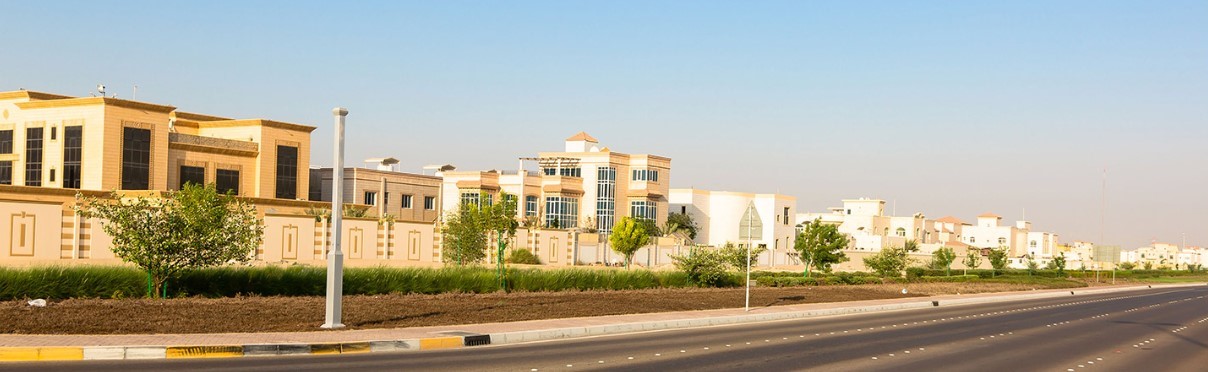
Abu Dhabi's spacious, affordable suburban area with advanced education, easy highway access, and family-friendly living: a complete guide for renters, buyers, and investors.
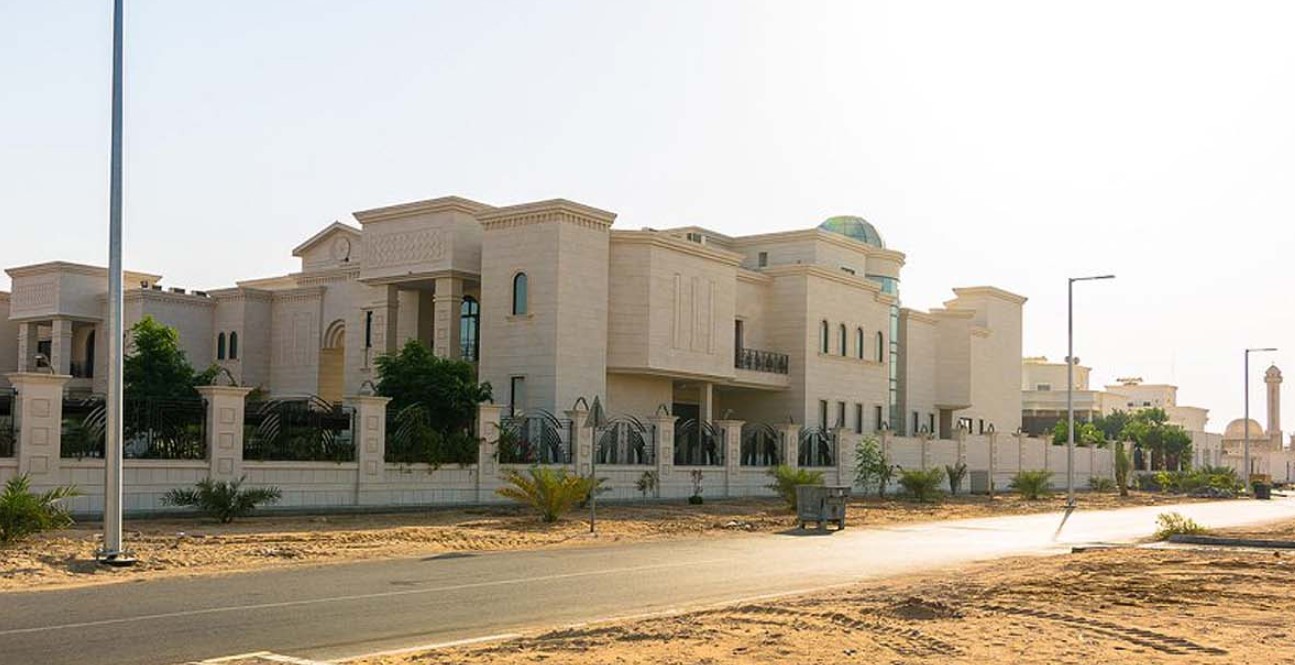
Mohamed Bin Zayed City (MBZ City) is a large residential and commercial district in Abu Dhabi, UAE. It's named after Sheikh Mohamed bin Zayed Al Nahyan, the President of the UAE. It sits southwest of Abu Dhabi's city center and is one of the more affordable, family-friendly areas in the emirate.
Lots of mid-income housing, schools, mosques, and everyday retail were pretty much built to accommodate Abu Dhabi's growing population away from the pricier central areas.
Most people just pronounce Mohammed Bin Zayed City as MBZ City. MBZ is a large residential suburb on the Abu Dhabi mainland. It sits between Mussafah to the west and Zayed City to the east, with Khalifa City B bordering it to the north. And that position, right in the middle of those three communities, is actually what gives it such good connectivity.
The area covers 45 square kilometers and is divided into 34 zones, each with its own feel. Some zones are peaceful and more purely residential. Others have more commercial activity along their main streets.
The community was developed by Aldar Properties and DHB Holding, and it is named after His Highness Sheikh Mohammed bin Zayed Al Nahyan, the President of the UAE. So, the name carries real weight here. The infrastructure tends to reflect that, with wide roads, a sensible grid layout, and generally consistent upkeep across the zones.
It connects directly to Sheikh Mohamed Bin Zayed Road (E311), Sheikh Khalifa Bin Zayed International Road (E11), and Al Ain Road (E22). Downtown Abu Dhabi is roughly 25 to 30 minutes away by car. Abu Dhabi International Airport sits about 15 to 20 minutes out. Dubai is doable in around an hour, traffic depending.
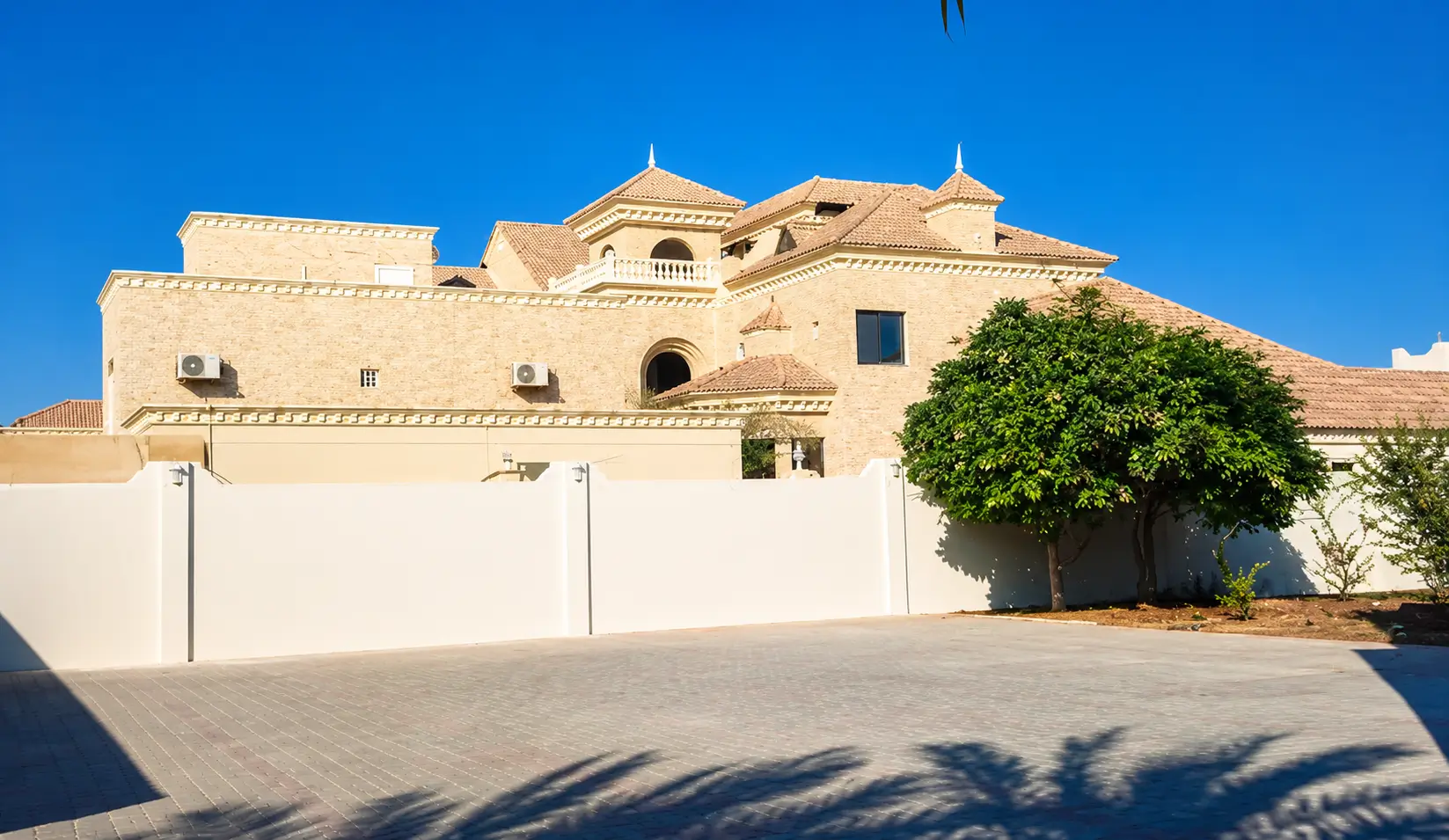
Mohamed Bin Zayed City Abu Dhabi is overwhelmingly a villa community. Apartments exist, but they are not the main story here. What you mostly encounter is detached and semi-detached villas on proper plots, with gardens, dedicated parking, and genuine room to move around in.
Detached Villas: The most common type across the zones. Sizes start at around 1,200 sq. ft. for a 2-bedroom and go well beyond 9,500 sq. ft. for a 6-bedroom. Some larger, custom-built configurations reach up to 15,000 sq. ft. Most have private gardens and their own parking.
Semi-Detached Villas: These villas are more compact and found mostly in compound spaces. Semi-detached villas share boundary walls, but they maintain private gardens and entrances.
Compound Villas: Gated clusters with shared amenities, swimming pools, gyms, and sometimes landscaped common areas. They tend to come with central air conditioning, covered parking, and a maid's room. Common near the Mohammed Bin Zayed Centre sub-district.
Townhouses: They are present in smaller numbers and are a useful middle ground for people who want something between the scale of a villa and the lower maintenance feel of an apartment.
Low-Rise Apartments: Mostly concentrated near Mazyad Mall. Studio to large multi-bedroom units. Practical for working professionals or couples who don't need the footprint of a villa.
Some sources list parts of MBZ City as freehold, open to expatriate buyers. Others indicate the area is primarily designated for UAE and GCC nationals, with freehold pockets being the exception. So, we think the safest step, before any purchase decision, is to verify directly with a professional agency, such as Fine Home Real Estate. The rental market is well-established and uncomplicated for expatriates either way.
The school network in Mohamed Bin Zayed City is genuinely one of its stronger points. It has nurseries, primary schools, secondary institutions, and even a university campus, which is not something most suburban communities in Abu Dhabi can claim. Curricula on offer include Indian, British, American, Canadian, and the UAE national system. So, families arriving from different countries generally find something familiar to look at.
One of the UAE's more established preschool chains, with a branch serving the MBZ area. A reasonable starting point for younger children before primary school begins.
Well-established and serving a broad mix of nationalities. Conveniently located within the community itself, which residents tend to appreciate once the school run becomes a daily reality.
A solid option for families looking for foundational education close to home. The location works well for those living in the southern zones.
An Indian curriculum school, and given the size of the Indian expat community in MBZ City, it tends to be in demand. Parents often mention how close it is to residential areas, a genuine convenience when you're doing the morning run.
Follows the UAE national curriculum. It's a natural fit for Emirati and Arab families and for those who want their children enrolled in the local educational framework.
Present in the broader MBZ and neighbouring Zayed City corridor. A more premium option, and the facilities tend to match that positioning.
Another higher-end institution in the wider area, catering to families looking for a Canadian curriculum environment.
Technically, Mussafah borders MBZ City directly but is close enough that it functions as a local secondary option. A five-minute drive at most.
Higher education within the community. It rounds out what is, honestly, a more complete educational ecosystem than most people expect from a suburb. Free parking is available at most of these institutions, which matters more than it sounds once the school year is underway.
Healthcare coverage in Mohamed Bin Zayed City is practical and reasonably broad. Between what sits inside the community and what is available in neighbouring Mussafah just to the west, residents rarely have to drive into central Abu Dhabi for routine or even moderately complex medical needs.
The most prominent hospital serving MBZ City. Full-service, with a range of specialties. For anything serious, this is likely the first stop.
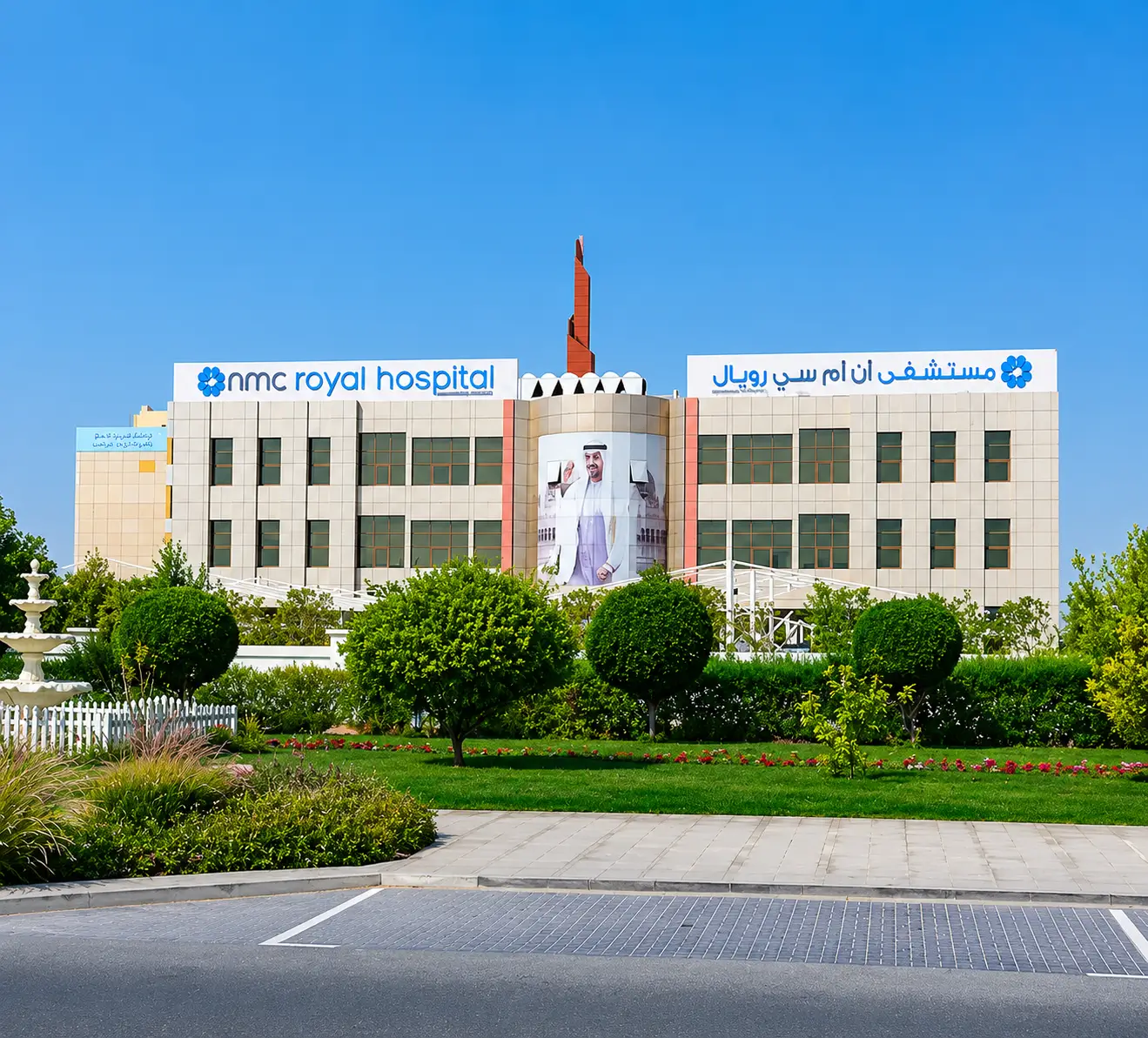
Located within the community. More useful for day-to-day consultations, shorter waits, easier access, and not the kind of place you sit in for hours. Good for general practice.
A government-affiliated clinic inside the community. Typically, the first option for residents registered with the public healthcare system in Abu Dhabi.
Part of the widely known Aster network across the UAE. Consistent, reliable, and familiar to a lot of expatriates who have used Aster facilities elsewhere.
The community's main retail anchor sits on 28th Street. It has branded stores, banks, money exchange counters, a pharmacy, a supermarket, a gym, and a spa.
The dining options inside are decent enough for a weekday visit. And the hotel apartments, L'Arabia Hotel Apartments, sit within the mall itself, making it something of a self-contained node for the area. It is not a grand destination mall by any measure, but it covers a lot of daily needs without requiring a longer drive.
About 12 minutes away, and noticeably larger. One of Abu Dhabi's more substantial shopping destinations. A cinema, children's play areas, an indoor adventure park, gold shops, and a Carrefour Hypermarket that draws regular grocery shoppers from MBZ City. Families tend to treat it as a proper weekend outing rather than a quick errand stop.
Another in-community stop. Not elaborate, but reliable, and close enough to the residential zones to be genuinely convenient.
Slightly larger than a standard supermarket. Covers most household needs and tends to stock a good range for everyday use.
Just across into Mussafah, which directly borders MBZ City to the west. For those with a preference for Spinneys' product range, it is close enough to visit regularly without much thought.
The dining scene in Mohamed Bin Zayed City is practical rather than exciting, but perhaps that is the right word for a residential community. There are enough options for most evenings, and the nearby Mussafah Shabia commercial strip adds considerably more variety just minutes away.
A local Emirati dining option within the area. Worth visiting, especially for residents newer to traditional Gulf cuisine. It is the kind of place that feels a bit more grounded than the usual chain restaurants.
A popular choice for larger group meals and family occasions. The setting suits extended family dinners, and it tends to be well-regarded among residents for exactly that kind of visit.
Casual, low-key, and consistently used. Good for lighter meals, a coffee, or just somewhere to sit without it becoming an occasion. A regular spot for many in the community.
An Asian dining option reflecting the multicultural makeup of MBZ City. The broader South and East Asian cuisine presence in the community is real, even if the selection does not rival central Abu Dhabi.
Fast-food chains are well represented, and honestly, well-used. Convenient, consistent, and a practical reality in any densely populated suburb.
For upscale or fine dining, residents generally head into Abu Dhabi's city center. The Mussafah Shabia commercial strip, right on MBZ City's border, fills in a lot of the casual dining gap with cafés, takeaways, and mid-range restaurants that the community leans on regularly.
Hotel options in Mohamed Bin Zayed City are limited, which makes sense for a community built around long-term residents rather than short stays. But there are options, and they cover different needs reasonably well.
The primary in-community accommodation. Located inside Mazyad Mall, which gives it easy access to the retail, dining, and services in the building. Visitors staying with family in MBZ City, or those in town for business in the area, tend to use this. It is functional and well-located relative to the community.
Further out but within the broader MBZ and Zayed City Abu Dhabi corridor. A branded hotel experience with proper amenities, a pool, a restaurant, and fitness facilities. Better suited for guests who want a more polished stay.
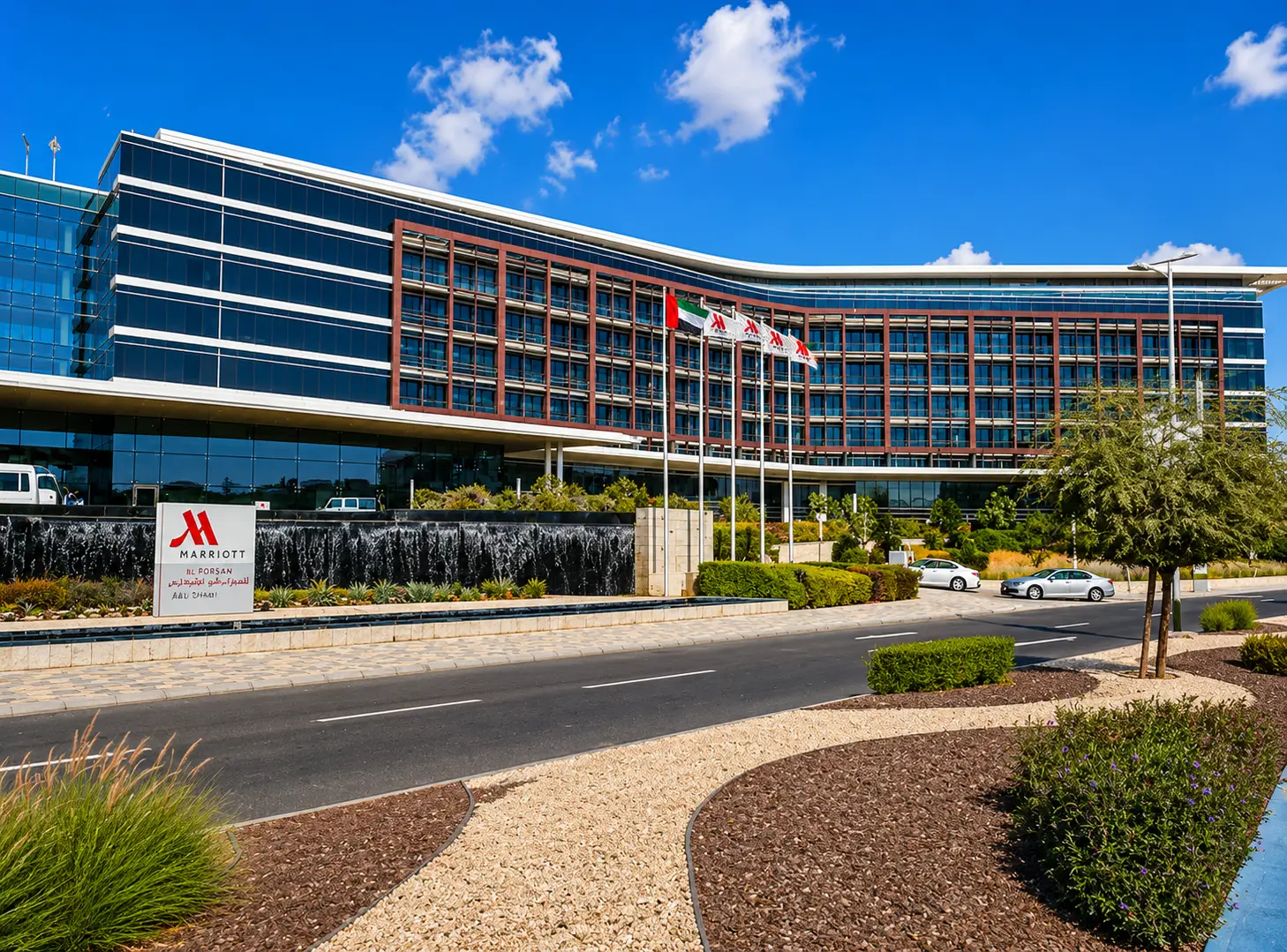
Another established option in the wider area. Clean, reliable, and more comfortable for longer visits. And because it sits near the boundary between MBZ City and its neighbouring communities, it is reasonably accessible without being in the middle of the residential zones.
The road network is perhaps one of MBZ City's most consistent advantages. The grid layout makes it easy to navigate, and access to the E11, E311, and E22 highways means commuting to Mussafah, Zayed City, Khalifa City B, or central Abu Dhabi is manageable most days. Even the drive to Dubai, though not short, is at least predictable from here.
Public buses do serve the community. Route 101 connects residents to Dalma Mall. Routes M1 through M5 handle internal movement; the M2 runs between Al Ithar Street and Al Boum, and the M1 links Al Ithar Street to Al Fan and back.
But in practice, most residents drive. There is no metro station inside MBZ City, and the nearest one, at Abu Dhabi International Airport, is roughly 15 kilometres away. Taxis and ride-hailing apps work fine in the area.
| Destination | Approximate Travel Time |
| Abu Dhabi International Airport | 15 minutes |
| Yas Island | 20 minutes |
| Yas Mall | 20 minutes |
| Dalma Mall | 12 minutes |
| Mussafah | 5 minutes |
| Khalifa City B | 10 minutes |
| Downtown Abu Dhabi | 25–30 minutes* |
| Abu Dhabi Corniche | 25 minutes |
| Saadiyat Beach | 28 minutes |
| Al Ain | 72 minutes |
Note: Estimates based on normal traffic. Peak hours may add 10 - 20 minutes on major routes.
Space, affordability, and a calm suburban pace are what Mohamed Bin Zayed City consistently delivers. The school network is genuinely broad, healthcare is accessible, and highway links to Mussafah, Zayed City, Khalifa City B, and Abu Dhabi city centre are all reasonable. For families, it perhaps offers more per square foot than most comparable communities nearby.
But the trade-offs are real. No metro access, limited dining variety, and a near-total dependence on private vehicles make daily life less flexible. The community lacks a proper social hub. And compared to newer developments in Zayed City Abu Dhabi, some parts of MBZ City feel dated, though perhaps that is also part of its character.
Is Mohamed Bin Zayed City Abu Dhabi a good place to live?
For families who prioritize space, calm, and affordability over city-centre proximity, it works very well. The school network is broad, healthcare is accessible, and the community has an established, settled character that newer developments in the area have not quite matched yet.
Can expatriates buy property in Mohamed Bin Zayed City?
Ownership eligibility varies by zone and is not entirely straightforward. Some areas are designated for UAE and GCC nationals only. Expatriates should verify freehold status directly with Abu Dhabi's Department of Municipalities and Transport before committing to any purchase decision.
How far is Mohamed Bin Zayed City from central Abu Dhabi?
It is 25 to 30 minutes by car if the traffic conditions are normal. Highway access via E311 and E11 makes traveling far easier for most of the residents. But without a metro connection, a private car is a daily necessity for getting around comfortably.
 Park
Park Restaurant
 School
 Hospital
 Mall
Mall Cinema
Unlock an Exclusive Deal!