Commercial
Developers


Fine Home Social Profiles:
Fine Home © 2026. All rights reserved.
Terms & Conditions
Powered By


Commercial
Developers
Fine Home Social Profiles:
Fine Home © 2026. All rights reserved.
Powered By


A complete guide to Al Wathba, Abu Dhabi, covering location, property types, ownership rules, natural landmarks, and what daily life actually looks like before you buy, rent, or invest.
Al Wathba does not get the attention that Saadiyat Island or Yas Island generally holds, and perhaps that is fair. But it deserves a proper look, especially for buyers, renters, and investors who want something grounded rather than glamorous.
This guide explains the entire community honestly. We will talk about location, property types, ownership rules, natural landmarks, and daily life in the Al Wathba community. Everything worth knowing before making a decision.
Al Wathba Abu Dhabi is a suburb of the city in the United Arab Emirates, and its story goes back further than most people expect. After Sheikh Zayed bin Sultan Al Nahyan became the ruler of Abu Dhabi in 1966, he began a big push to develop his whole emirate.
And he spent heavily on healthcare, education, and infrastructure. In the 1980s, the British firm W.S. Atkins and Partners was brought in to plan what would become the satellite towns of Al Wathba, Al Shahama, and Baniyas.
These were places where Bedouin communities and immigrants, who had settled under Sheikh Zayed's encouragement, could live and grow. So the area was not simply built for convenience; it was built with a specific population and a specific vision in mind.
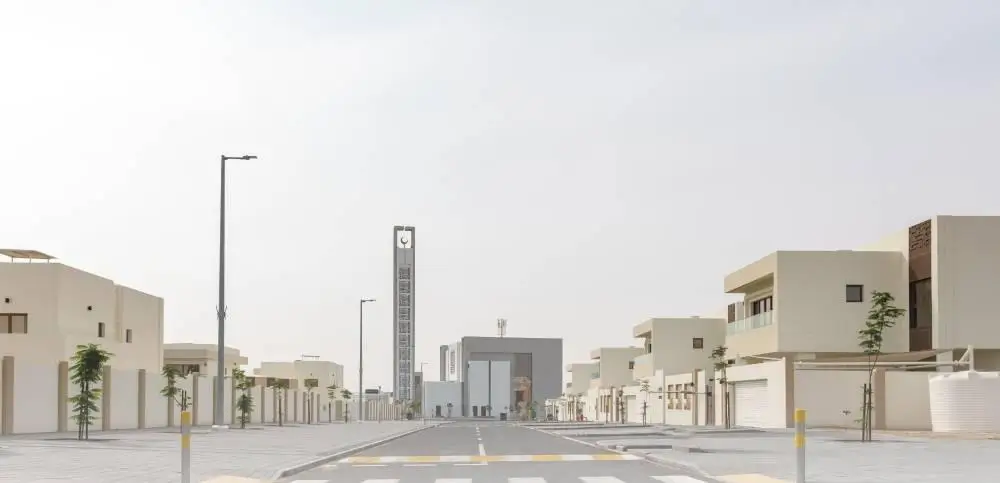
Formal residential development inside Al Wathba began in 2008, along with other non-residential projects, such as the Al Wathba prison project. That is relatively recent, which explains why parts of it still feel unfinished or in progress when you visit today.
Most homes in Al Wathba are spacious villas designed for families. These properties usually come with multiple bedrooms, large living areas, fitted kitchens, private parking, and outdoor space. A general 4-bedroom villa offers 2,500 square feet of living space, which makes it a good option for those families who are looking for more room and privacy.
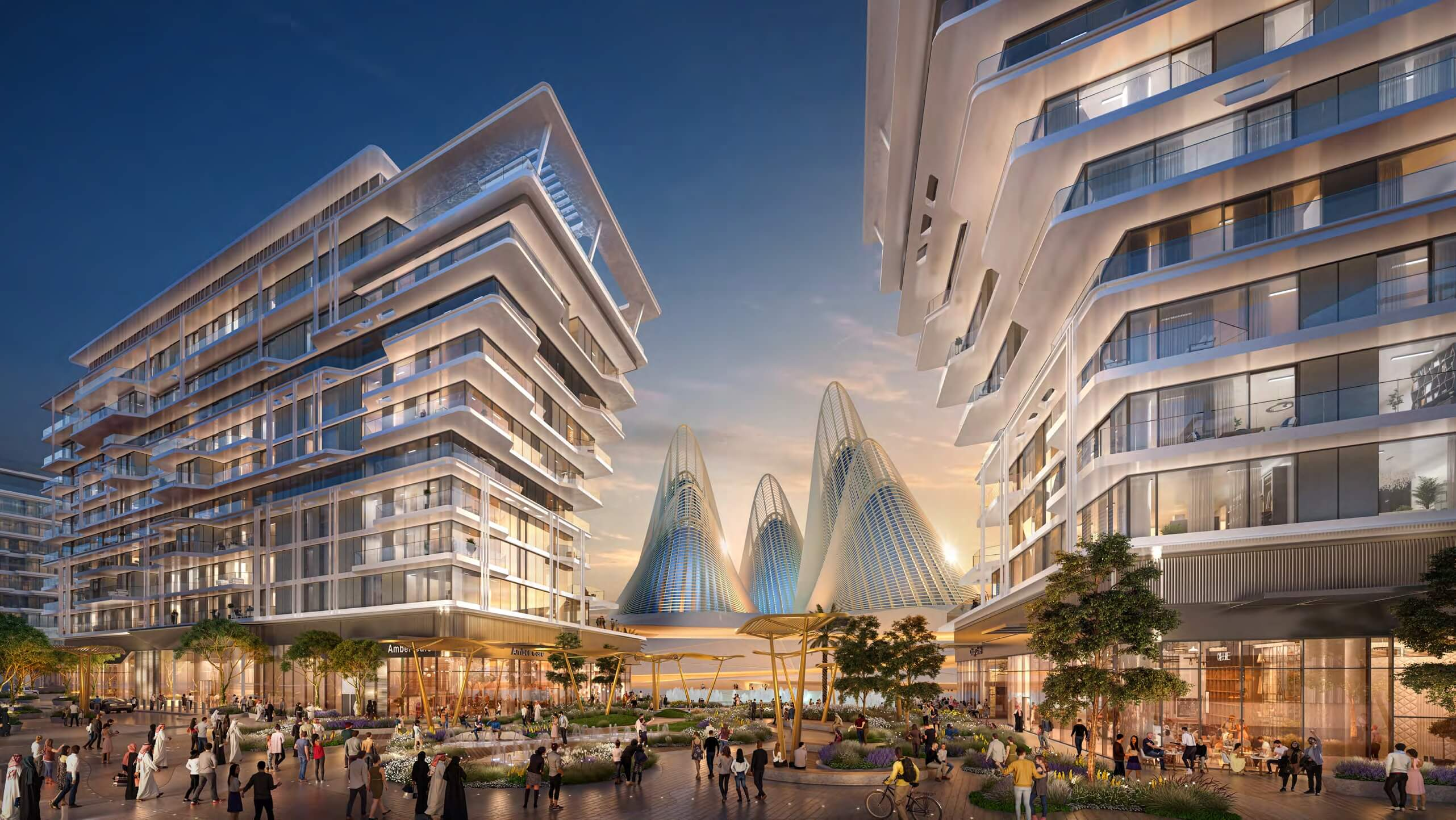
Apartments are currently limited in Al Wathba, although new residential developments are gradually being introduced. As the community continues to grow, according to Fine Home Real Estate, more apartment options are expected to become available in the coming years. For now, Al Wathba remains a villa-focused community that appeals mainly to families and residents who are seeking a quieter lifestyle.
Note: The Al Wathba Tower, having the same name, is in Abu Dhabi and not in the Al Wathba community.
Al Wathba sits southeast of central Abu Dhabi, running along the E30 (Abu Dhabi–Al Ain Truck Road) and sitting close to the E22 highway. By car, the heart of the city is roughly 35 minutes away, and Zayed International Airport is also within reasonable driving distance. Nearby communities include Baniyas, Al Mafraq, ICAD, Al Bihouth, and Bawabat Al Sharq.
There is public bus access, routes B47 and B45 serve the area, with bus stops approximately 3 to 9 minutes from most parts of the community. But here is the honest part: most residents rely on private vehicles.
The area is spread out, and public transport, while present, does not cover the kind of distances that daily life in Al Wathba demands. Parking, at least, is rarely a problem. Most villas have dedicated spaces, and the low-density layout means street parking is almost always available near parks, shops, and public areas.
Abu Dhabi Indian School has a branch in Al Wathba, following the CBSE curriculum from kindergarten through grade 12. Nearby options accessible by car include Al Ruwaad Model School and the United School of Baniyas. For those open to slightly longer drives, roughly 18 minutes, Future Leaders International Private School in Baniyas East follows the American K-12 curriculum. The school options are reasonable for a developing suburban community, though perhaps not as dense or varied as what one would find in more established areas like Khalifa City.
Mediclinic Baniyas is the closest medical facility, which is within the vicinity in about 5 to 10 minutes by car. It is part of a reputable network with locations in Abu Dhabi and Dubai. Burjeel Medical Centre is also accessible within approximately a 10-minute drive from adjacent communities. For more specialized care, residents would travel to central Abu Dhabi, which is manageable but should be factored into anyone's daily planning.
Natural landmarks are the most distinctive part of Al Wathba. Very few residential communities in the Gulf, perhaps none quite like this, sit alongside the range of natural assets found here. It is worth going through each one properly.
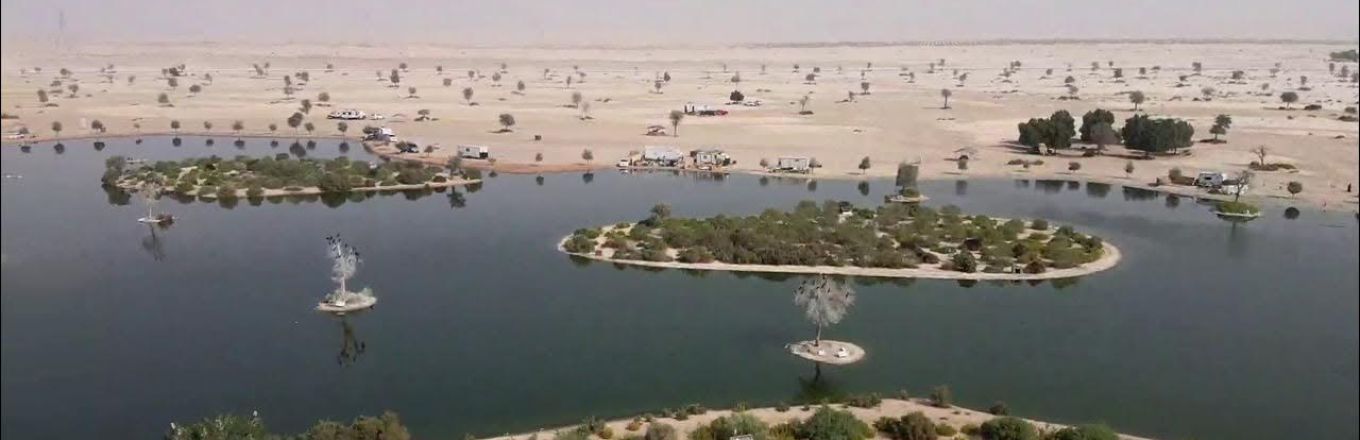
Established by the late Sheikh Zayed in 1998, Al Wathba Wetland Reserve was the first protected area in Abu Dhabi and the first in the entire emirate to receive legal protection.
It covers approximately 5 square kilometers. In 2013, it was included in the Ramsar Convention list of wetlands of international importance, which is a globally recognized designation for ecologically significant wetland sites. In 2018, it was added to the IUCN Green List of Protected and Conserved Areas.
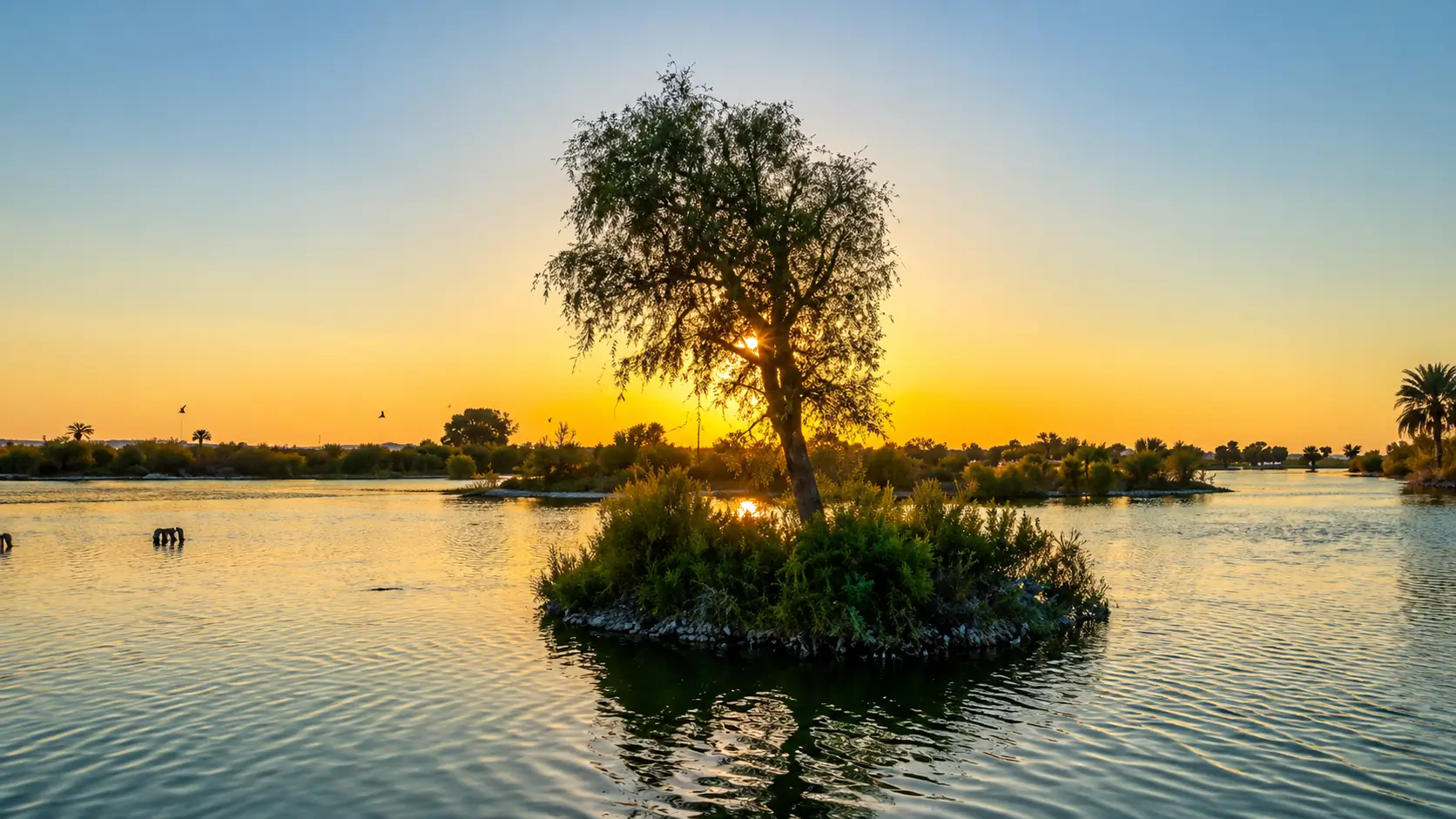
The Al Wathba lake and campsite area, close to the Wetland Reserve, is a popular place for family outings, camping, and summer barbecues. There are picnic areas, benches, BBQ spots, viewpoints, and nature trails. No entry or camping fees apply, though visitors are expected to respect the environment. Early mornings at the lake, particularly during cooler months, are remarkably peaceful.
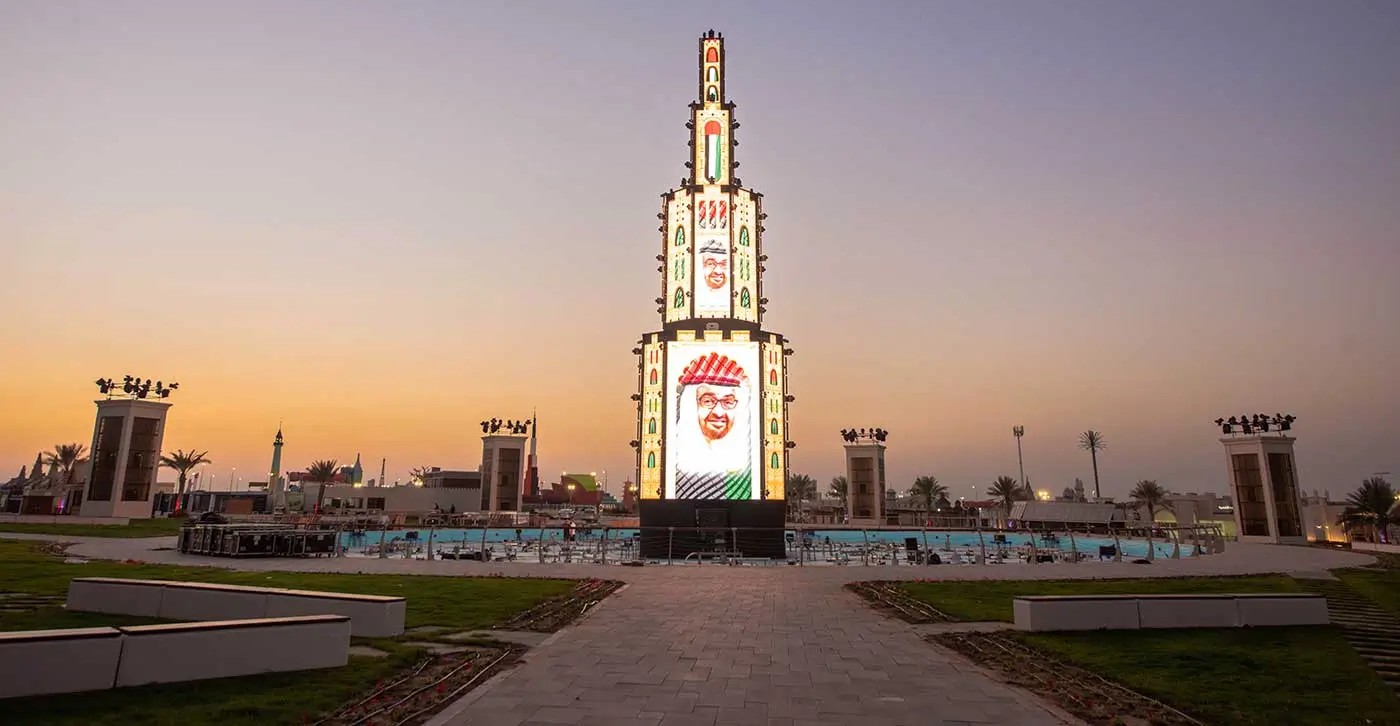
One of Al Wathba festivals is known as the Zayed Festival Village. The Sheikh Zayed Heritage Festival, the largest annual family event in Abu Dhabi, is held here. It draws cultural performances, traditional markets, international food stalls, and retail vendors.
A free bus runs from Abu Dhabi's main bus terminal to the festival grounds every half hour between 3 pm and 10 pm during the festival period. For residents, having this event essentially in the neighbourhood is a genuine annual draw.
Residents rely on local supermarkets, mini markets, and small retail outlets for daily needs. The larger shopping malls, such as Bawabat Al Sharq Mall and Mazyad Mall, can be reached within a short drive.
The dining scene is growing. Local eateries, casual cafes, and family restaurants make up most of the options, with many offering outdoor seating and desert views. It is not yet a destination for dining, to be fair. For larger supermarkets, Al Wathba Mall, and more varied retail, residents drive to Baniyas or Mohammed Bin Zayed City, both within a relatively short distance.
Al Wathba Park Abu Dhabi is one of the better known community parks. It features green spaces, BBQ areas, and the Al Wathba Library, and it is notably more spacious than parks in central Abu Dhabi.
There is also a dedicated cycle track that runs through the desert landscape and attracts riders of various skill levels. The open desert around the community is available for jogging, informal exploration, and family activities. For gym-based fitness, residents typically drive to facilities in Baniyas or Al Shamkha.
Large villas, low density, and true quiet are the clearest advantages here. The closeness to Al Wathba Wetland Reserve, Fossil Dunes, and the Camel Race Track adds a lifestyle layer that most Abu Dhabi suburbs simply cannot offer. Relatively affordable compared to central communities. For families wanting room and calm, perhaps this is enough.
Car dependency is real and unavoidable. Amenities, schools, clinics, and retail are still maturing, and that gap is noticeable in daily life. The rental market is thin, which concerns investors looking for quick returns. Non-GCC buyers must also verify freehold eligibility carefully, as ownership rights here remain less straightforward than in designated investment zones.
Is Al Wathba a good place for families to live?
For families who value space and quiet over city convenience, it works quite well. Villas are big, the environment is low-density, and the natural surroundings are really accessible. Perhaps the thinner amenity base is the main trade-off worth thinking about carefully.
Can non-UAE nationals buy property in Al Wathba freely?
Property ownership for non-UAE nationals is more limited than in communities such as Yas Island, Saadiyat Island, or Al Reem Island. Buyers should verify the latest ownership regulations before making a purchase.
How far is Al Wathba from central Abu Dhabi City?
By car, roughly 35 minutes along the E30 highway. Most residents drive daily, as public bus routes, while present, do not fully cover the area's spread. A private vehicle is, we think, essentially nonnegotiable for comfortable living here.
 Park
Park Restaurant
 School
 Hospital
 Mall
Mall Cinema
Unlock an Exclusive Deal!