Commercial
Developers


Fine Home Social Profiles:
Fine Home © 2026. All rights reserved.
Terms & Conditions
Powered By


Commercial
Developers
Fine Home Social Profiles:
Fine Home © 2026. All rights reserved.
Powered By
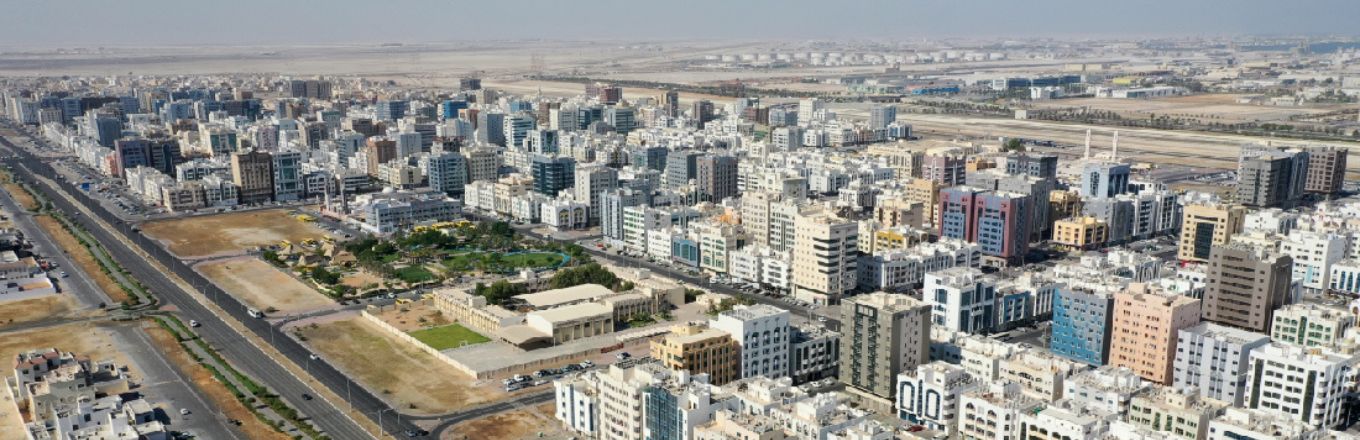

Al Sila Abu Dhabi area guide with information on properties, healthcare, schools, transport, beaches, lifestyle, and investment opportunities for buyers, renters, and investors.
.jpg)
Most people searching for property in Abu Dhabi never get as far west as Al Sila. And that is understandable. It is remote, still developing, and not easy to find reliable information about. But perhaps that is exactly why it is worth looking at carefully.
This guide pulls together what we know, from healthcare and schools to beaches and investment potential, so you can decide whether Al Sila is somewhere worth taking seriously.
Al Sila is a small coastal town in the Al Dhafra region of Abu Dhabi, sitting roughly 350 kilometers west of the capital city, close to the Saudi Arabian border. It is an important gateway near the Saudi Arabian border and plays a strategic role in regional road transport.
Al Sila is one of seven settlements within the broader Al Gharbia masterplan, overseen by the Abu Dhabi Urban Planning Council in coordination with the Western Region Development Council.
The communities surrounding Al Sila give a sense of its context. Madinat Zayed, the administrative capital of the western region, is to the east and is the nearest developed town. Al Ruwais lies further north, functioning primarily as an industrial hub.
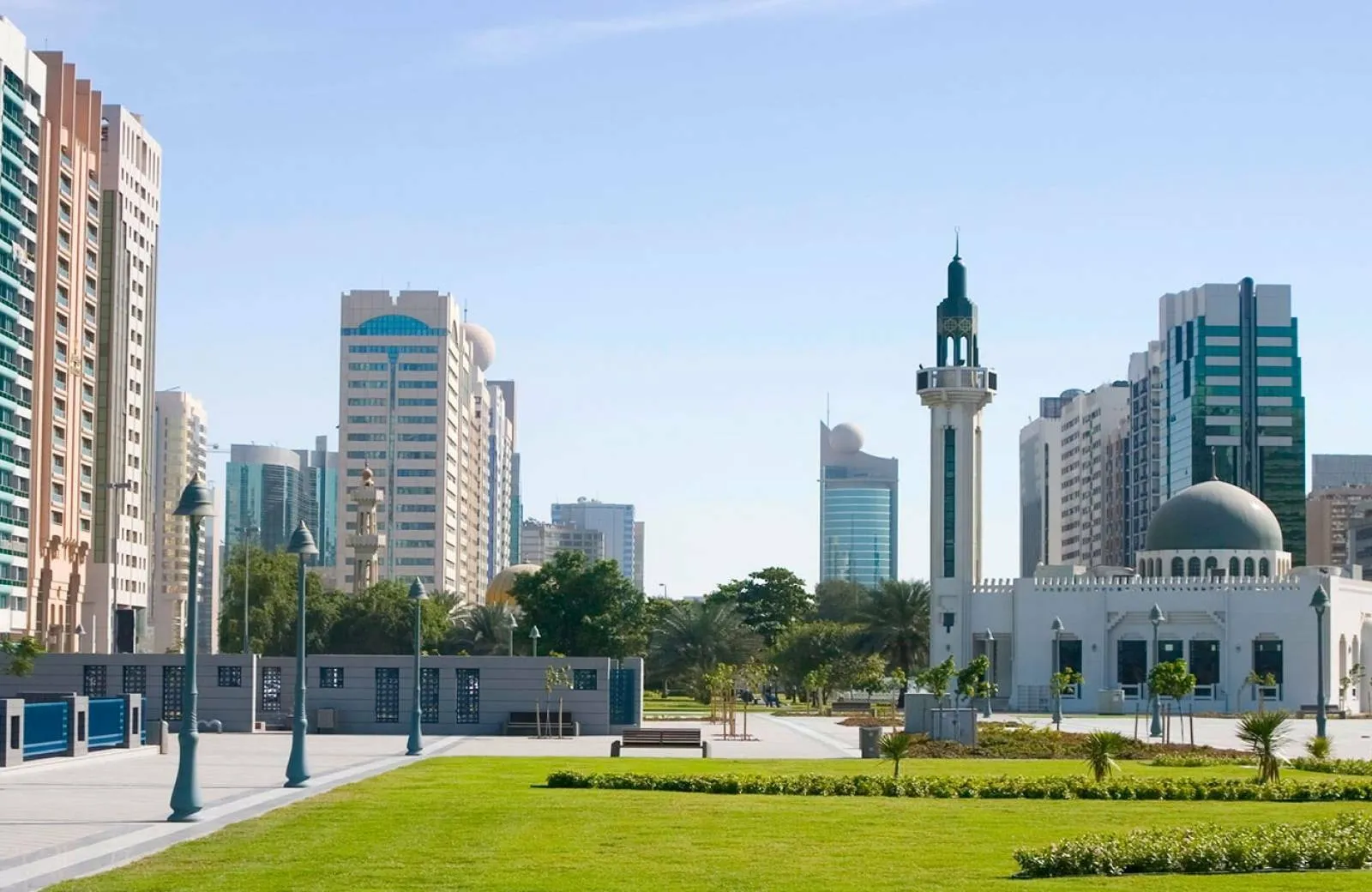
Liwa, with its famous dunes and oasis lands, borders the area to the south. Al Marfa sits along the Pearl Coast nearby. Al Sila, hemmed in by desert, sea, and a national border, has a genuinely frontier character that you will not find in many places in the UAE. Perhaps that is part of what makes it interesting.
| Feature | Details |
| Emirate | Abu Dhabi |
| Region | Al Dhafra |
| Distance from Abu Dhabi | Approximately 350 km |
| Property Types | Villas and Apartments |
| Best For | Families, Investors, Nature Lovers |
| Nearby Areas | Madinat Zayed, Al Ruwais, Al Marfa |
| Lifestyle | Coastal and Low-Density |
Al Sila's residential offering is truly modest compared to Abu Dhabi city or even neighbouring Madinat Zayed. But that is not necessarily a problem, depending on what you are looking for.
The Al Dhafra region has multiple types of apartment buildings alongside independent villas, with villas making up the larger part of the residential sector. Many properties in the western region have historically been owned by corporations or investors and used for staff accommodation.
Aldar Properties developed a residential community in Al Sila'a, completed in the fourth quarter of 2014, having apartment units around four kilometres from the Al Sila Port. For renters, standalone villas appear in listings, and smaller apartments are available in the town, though inventory is limited at any given time.
A 2005 census put Al Sila's population at around 7,900. Projections under the 2030 masterplan suggest it could reach 70,000. The entire western region is expected to grow to 450,000 people by the same date. For early movers, that trajectory is the story. This is not a place offering immediate high profits, and anyone telling you otherwise is probably overselling it.
The Al Silaa Community Hospital was purpose-built to serve Al Sila and the surrounding communities of the Al Gharbia region. It provides 36 inpatient beds for medical, surgical, and critical care, along with VIP patient suites.
Clinical services include emergency care, internal medicine, paediatrics, obstetrics and gynaecology, orthopaedics, surgery, dermatology, ophthalmology, ENT, physiotherapy, and renal dialysis, a reasonably comprehensive spread for a community hospital in a remote location.
All standard hospital support units are present: radiology, pharmacy, laboratory, food services, and a central sterile services department. The campus also includes a mosque, a helipad, and on-site staff housing, which is a design feature that makes the hospital more self-sustaining in a location this far from the capital.
For specialist or tertiary care, residents go towards Abu Dhabi City or Ruwais, which has a larger medical infrastructure given its industrial population. Pharmacies exist within Al Sila, but options are limited. If you have complex or ongoing medical needs, this is something to plan around before living here full-time.
Al Sila Abu Dhabi has restaurants, shops, swimming pools, and basketball courts as part of its growing community setup. A commercial development currently underway will bring in one of the region's known supermarket brands, alongside multiple retail shops, fashion, essentials, and more, with enough parking.
Local eateries serve traditional Emirati cuisine. Grilled fish, machboos, which is spiced rice with meat, and luqaimat are common. Small community souks offer a trading culture that feels authentic rather than curated for visitors. It is natural, which some people find refreshing, and others find limited.
There are no large shopping malls within Al Sila. For that kind of retail, residents head to Madinat Zayed or further toward Abu Dhabi city, where communities like Al Raha Beach have proper mall access. This is simply a fact of life in Al Sila; daily needs are manageable locally, and bigger shopping is a trip you plan.
Accommodation options are limited but include small guesthouses, coastal lodges, and desert camping setups. Staying overnight allows visitors to engage with the beaches and local culture properly; a day trip from Abu Dhabi city is a long one. There are currently no branded or five-star hotels within Al Sila itself.
This is, arguably, an underserved gap. Given the Abu Dhabi government's stated push for sustainable tourism in the western region, there is a reasonable case that hospitality infrastructure will develop here over the coming years.
For now, visitors with hotel requirements base themselves in Abu Dhabi city or near Liwa, which has more established desert tourism options. Al Marfa and surrounding coastal communities also have small accommodation options worth checking.
Getting to Al Sila from Abu Dhabi city means roughly 3.5 to 4 hours by car, travelling 350 kilometres west along the E11 highway and its connecting routes. The E11, Sheikh Khalifa Bin Zayed Al Nahyan International Road, runs along the northern edge of the Al Dhafra region, while the Abu Dhabi–Liwa Road (E65) connects from the west. Both are well-maintained highways.
Public bus services do reach Al Sila. Routes 891 and X89 serve the E11 Al Sila'a Rest Area, with the first service at 6:35 AM and the last running until around 11:36 PM. Bus lines also stop near the school on Shabiya Road, which suggests a functional, if basic, public transit framework exists.
But private transportation is strongly recommended for anyone living here.
Most residential properties in the Al Dhafra region include dedicated parking, and without a car, daily life becomes notably more restricted, especially in hot Al Sila weather. Taxis and ride-hailing apps do operate in the western region, but wait times can be unpredictable.
Al Sila is not a community built for those who need urban convenience right now. It is a town being deliberately, systematically developed, with healthcare, schools, roads, parks, and retail all arriving in stages with clear government intent behind them. Families who value space, coastal access, cultural authenticity, and quiet over closeness to malls will likely find it workable today.
Investors with patience and a long view toward the 2030 population projections will find the entry conditions compelling. Renters looking for a low-cost, low-density lifestyle near the western border have genuine options here, just with eyes open about what is still being built.
Authentic Emirati character, real coastal access, and genuine quiet- these are things Al Sila actually delivers on. Space feels abundant here. Perhaps most valuably, government-backed development gives long-term investors something real to look forward to. The hospital, the park, the beach track, and infrastructure are arriving steadily, piece by piece.
The distance from Abu Dhabi city is significant, not just on paper. Limited retail, almost no beauty or fitness options, and a mall trip that takes real planning. Families with young children may find the school choices thin. And accommodation, for visitors especially, is still something the town has not quite figured out.
Is Al Sila a good place for families to live in?
Perhaps, though with some caveats. The community is peaceful, and the hospital is solid. But school options are thin right now, and without a car, daily life gets complicated fairly quickly. Families who value quiet over convenience tend to settle in more easily.
Can expats buy or rent property in Al Sila easily?
Renting is more straightforward than buying. Inventory is genuinely limited, so options do not stay available for long. We think buying here suits patient investors more than those looking for immediate returns. It is worth speaking to a local agent who knows the western region well.
How far is Al Sila from Abu Dhabi city exactly?
Around 350 kilometres, which translates to roughly 3.5 to 4 hours by car along the E11 highway. It is a long drive. Not impossible for occasional trips, but daily commuting to the capital is something most residents here simply do not do.
 Park
Park Restaurant
 School
 Hospital
 Mall
Mall Cinema
Unlock an Exclusive Deal!