Commercial
Developers


Fine Home Social Profiles:
Fine Home © 2026. All rights reserved.
Terms & Conditions
Powered By


Commercial
Developers
Fine Home Social Profiles:
Fine Home © 2026. All rights reserved.
Powered By

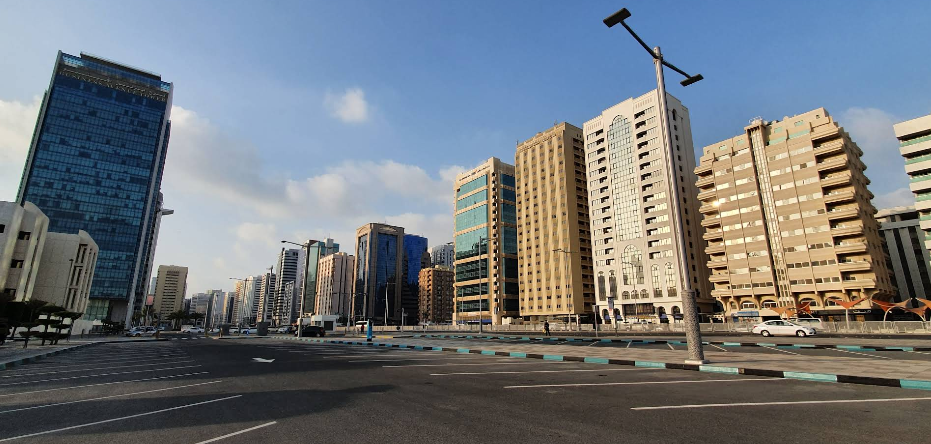
Al Salam Street Abu Dhabi area guide with information on property, schools, healthcare, shopping, dining, transport, lifestyle, and investment opportunities for buyers, renters, and investors.
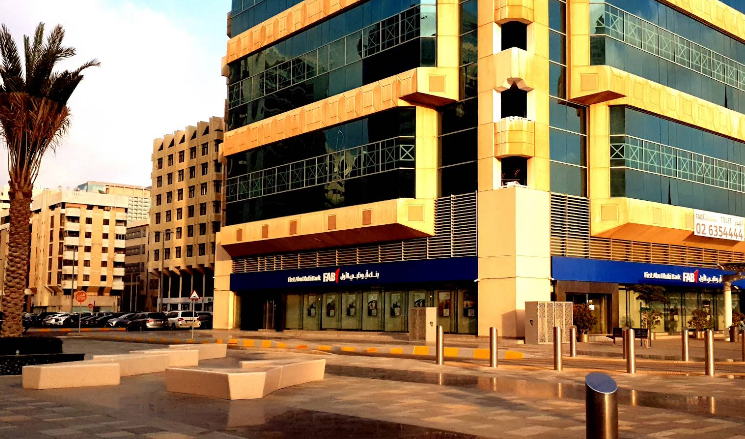
Al Salam Street is one of those addresses in Abu Dhabi that keeps coming up, whether you are looking to rent, buy, or invest. And perhaps for good reason. It runs through some of the city's most established communities, sits close to nearly everything, and offers a mix of property types that genuinely suit different needs. This guide covers what the area actually looks like to live in or put money into.
Al Salam Street, formally known as Sheikh Zayed Bin Sultan Street (E10), is perhaps one of the most central and genuinely useful addresses in all of Abu Dhabi. It stretches roughly 8 kilometers, from the Sheikh Zayed Bridge in the west all the way to the Eastern Ring Road, and it passes through, or right beside, some of the city's most established communities: Al Mushrif, Al Zahiyah, Al Khalidiya, Al Bateen, and Al Nahyan.
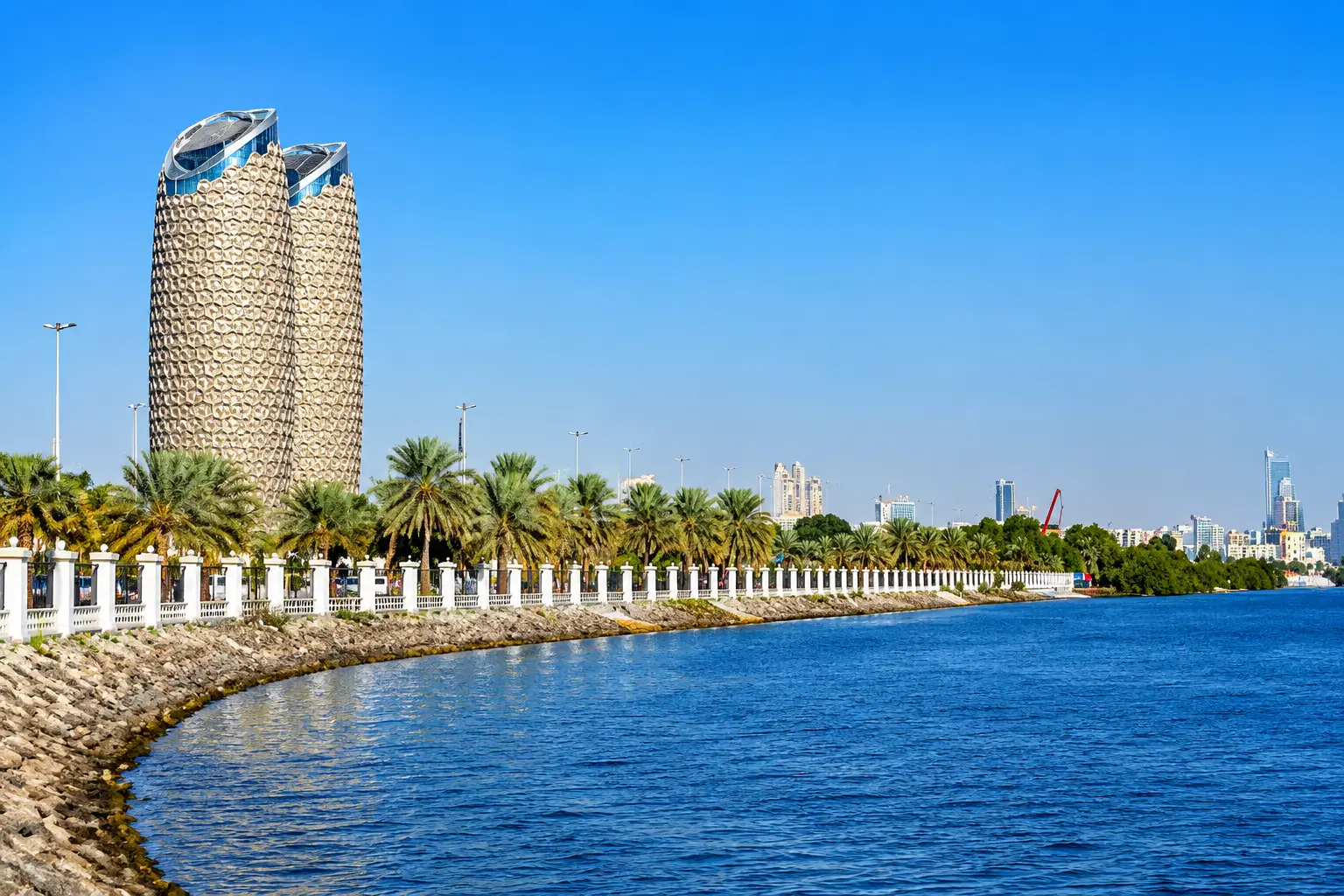
Back in 2012, Abu Dhabi Municipality overhauled the entire corridor and introduced the Salam Street Tunnel, a 2.4 km underground passage that, frankly, made daily driving here much less stressful. Traffic flows more smoothly now, and the surface-level experience is noticeably calmer for it.
The residential mix here is broader than people often expect. Apartments make up the majority, mostly mid- to high-rise towers with 1 to 4 bedrooms, open-plan layouts, balconies, and in-building amenities like pools and gyms. Furnished units are available but tend to come at a premium, which is worth knowing upfront.
For villas and townhouses, the search narrows to Bloom Gardens and Al Seef Village. Bloom Gardens is well-regarded; the homes there are influenced by Spanish and Italian Mediterranean design, which feels a little surprising in Abu Dhabi but somehow works. There is also the Fortress Compound for those who prefer a quieter setup. Families who have lived in Bloom Gardens speak highly of it.
On the investment side, freehold properties are available for foreign buyers, which is a meaningful detail for non-UAE nationals considering long-term ownership. Commercial space is abundant too; Mansour Tower, Salam HQ, Al Ferdous Tower, and Khalida Park Tower are among the prominent office addresses, alongside major corporate headquarters like ADNOC, ADCB, UNB, and the Abu Dhabi Municipality Building itself.
| Feature | Details |
| Emirate | Abu Dhabi |
| Road | Sheikh Zayed Bin Sultan Street (E10) |
| Length | Approximately 8 km |
| Property Types | Apartments, Villas, Townhouses |
| Nearby Areas | Al Mushrif, Al Nahyan, Al Bateen, Al Zahiyah |
| Best For | Families, Professionals, Investors |
| Freehold | Selected developments |
Families considering a move here will find the education situation reasonably well-sorted. Polaris Private Academy is a frequently mentioned name, covering early childhood through to high school.
Beyond that, the broader network of schools across neighboring Al Mushrif and Al Nahyan, both bordering communities, adds meaningfully to the options within a short commute. There are also several nurseries dotted around, which matters more than people think when you are living here with young children.
Perhaps slightly less obvious but worth noting: the Al Seef Library, built in collaboration with Abu Dhabi's Department of Tourism and Culture, regularly hosts author signings, book reviews, and literary events. It is a small thing, but it does add something to the cultural texture of the area.
Corniche Hospital is directly accessible from Al Salam Street Abu Dhabi, and it is one of the most respected medical institutions, particularly known for maternity and specialist care. Beyond that, the street's closeness to Al Zahiyah and Al Khalidiyah means that good private clinics, specialist centers, and pharmacies are reachable without much effort.
Residents in Bloom Gardens and Al Seef Village seem especially well-placed in this regard. It is fair to say healthcare access here is genuinely strong, not just on paper.
The retail options are extensive, maybe more than first-time visitors realize. Within the Bloom Gardens cluster alone, there is a Carrefour Market, ZOOM, Metro Market, and YUM, a small but pleasant organic market that some residents particularly like. The Waitrose in the Eastern Mangroves complex is also nearby, which is a touch more upmarket for those who care about that kind of thing.
For larger shopping runs, Abu Dhabi Mall is about 15 minutes away and carries a wide range of stores and dining. Al Wahda Mall, closer to the Al Nahyan and Al Mushrif borders, is another solid option, a bit more everyday and less tourist-facing, which some people actually prefer.
Al Seef Village Mall rounds things out with a Carrefour, Funville (an amusement area for children), and a Fitness First gym. Just behind it, The Walk is a pedestrian strip with food kiosks and an outdoor art gallery showing local artists' work.
The dining scene along Al Salam Street is genuinely diverse, though most of the better options are clustered inside or just around the shopping complexes rather than scattered freely along the street itself. Al Seef entertains a decent mix, CaliBurger for American diner-style food, La Brioche for something more French, and Hooked for seafood.
At the Anantara Eastern Mangroves Hotel, which is at the eastern edge of the street, Pachaylen serves Thai and Middle Eastern cuisine in a setting worth the visit regardless of what you order.
Park Rotana runs six restaurants covering Asian, Italian, and British menus, which gives it a kind of self-contained dining destination quality. And then the Al Zahiyah area, bordering Al Salam Street to the north, adds what is arguably Abu Dhabi's most densely packed restaurant district, covering everything from South Asian street food to upscale Lebanese.
Getting around from Al Salam Street is straightforward, for the most part. Several bus routes serve the area directly, lines 26, 33, 34, 54, 55, 56, 102, 170, and 407 cover different points along the street and connect to major districts across Abu Dhabi.
Taxis are easy to find. Parking is a mix of paid on-street spaces and dedicated building lots, with towers, such as Al Mansoori Tower and other office complexes, having underground or podium parking.
The Abu Dhabi to Dubai highway is roughly 15 minutes away. Corniche Beach is about eight minutes by car. Abu Dhabi International Airport sits around 20 minutes out, and Al Bateen Executive Airport, used for private aviation, is about nine minutes away.
Khalifa Park is right beside Al Salam Street, a large, well-maintained urban park with greenery, a lake, and some cultural attractions. It is popular with families in the evenings, and it genuinely earns that reputation.
For something more active and natural, the Mangrove National Park is accessible from the street's eastern side, offering kayaking and guided eco-tours through Abu Dhabi's mangrove ecosystem. Quite a contrast to the commercial pace of the rest of the street, honestly.
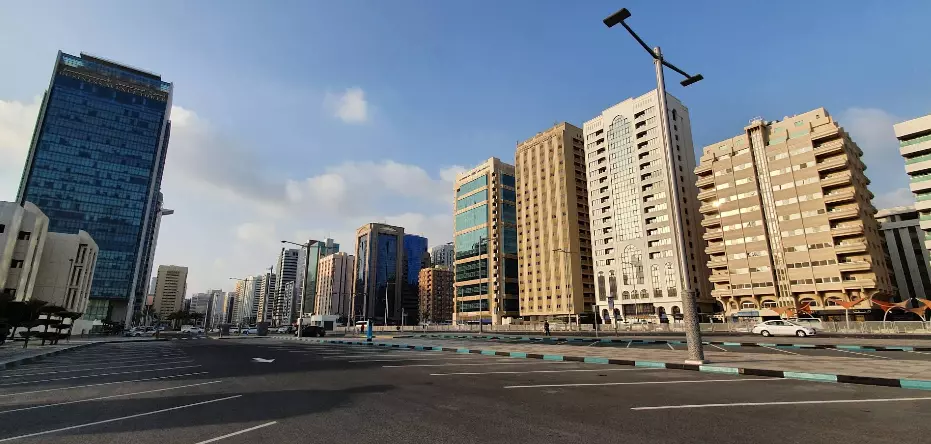
The Eastern Mangroves Promenade, bordering the street's eastern end, is for joggers and early walkers. And then there is Sheraton Beach Resort along the street, offering beach access and waterfront amenities facing the Arabian Gulf, a useful amenity especially for residents in the Al Bateen-adjacent parts of the corridor.
Central location, strong transport links, and a surprisingly wide mix of property types make this street hard to overlook. Schools, hospitals, malls, parks, most of what a family needs is genuinely close at hand. The tunnel upgrade helped traffic considerably. And bordering communities like Al Khalidiyah and Al Mushrif only add to what is already available here.
Road noise is a real consideration, more than people anticipate. The street feels more commercial than residential, which not everyone warms to. Apartment options dominate, so villa seekers have limited choices to seriously look at. Furnished units, we think, are priced a bit steeply relative to what you get.
Is Al Salam Street a good area for families to live in?
Generally, yes. Good schools, parks, and healthcare are all fairly close to settle into. The bordering communities of Al Mushrif and Al Nahyan add even more family-friendly options nearby. Road noise is perhaps the one thing worth thinking carefully about beforehand.
Can expats and foreign nationals buy property on Al Salam Street?
Freehold properties are available for foreign investors, which is worth knowing. Villas and townhouses in Bloom Gardens are typically where ownership opportunities sit. Apartments, we think, are mostly available for renting rather than purchasing outright, so options are limited depending on what you are after.
How well connected is Al Salam Street to the rest of Abu Dhabi?
Quite well, honestly. Several bus routes run directly through the area, and taxis are easy to find. Dubai is around 15 minutes from the highway. The airport is around 20 minutes away. Al Zahiyah and Al Khalidiyah, both bordering the street, are reachable almost immediately.
 Park
Park Restaurant
 School
 Hospital
 Mall
Mall Cinema
Unlock an Exclusive Deal!